NASA stunned as Sun broadcasts mysterious radio signal for 19 days straight


One otherwise routine radio signal transmitted from the Sun suddenly turned into something far more fascinating, as NASA scientists were left stunned by the record-breaking amount of time that it continued.
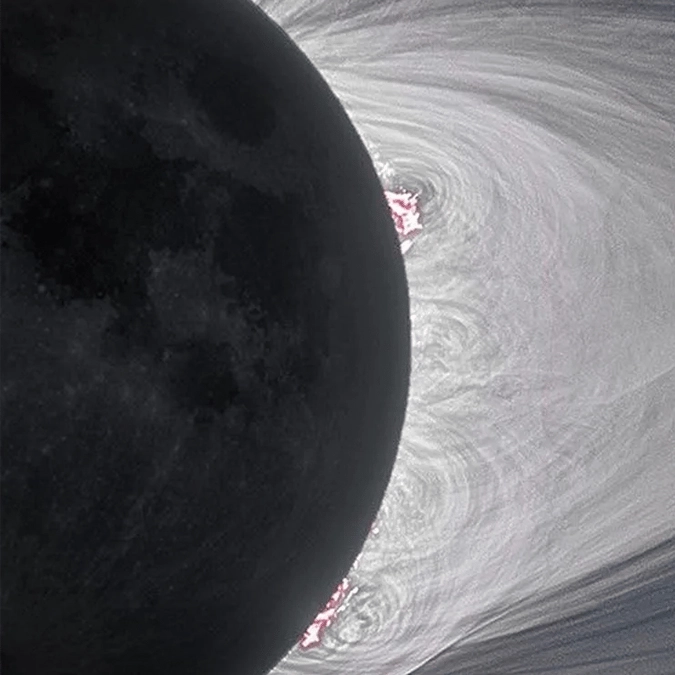
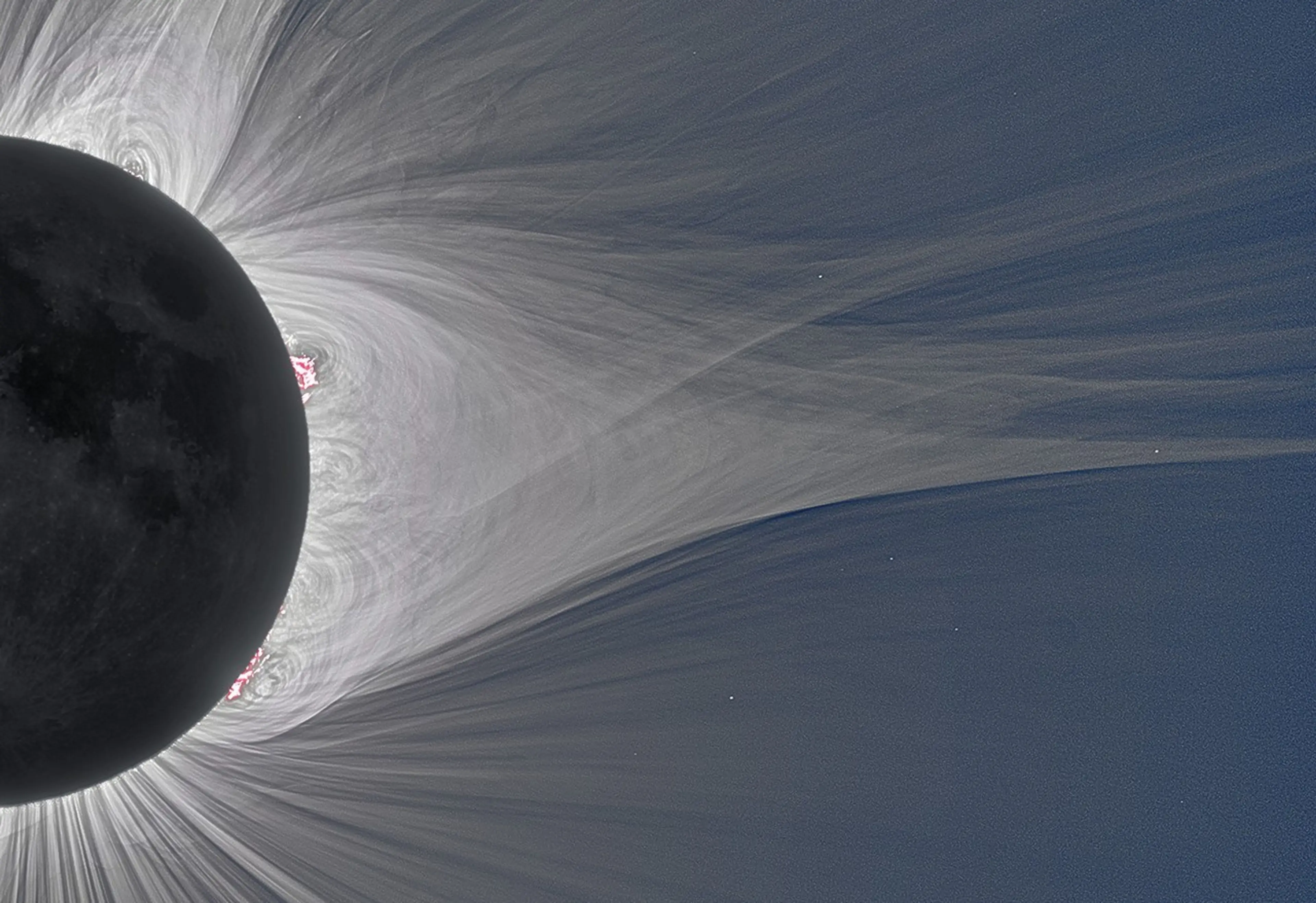
Originating from what's known as a 'helmet streamer' within the Sun's atmosphere, this particular signal's length exceeded far beyond the typical expectation from our solar system's central star, as scientists usually expect broadcasts no longer than a couple of hours or days at most.
Instead, this new signal – which was picked up by a broadcast in August last year – lasted for 19 days in total, shattering perceptions and records alike and even prompting multiple vehicles currently stationed in space to track the signal.
As reported by Science Daily, the signal falls into the category of 'Type IV' radio bursts, which are produced by trapped electrons within the Sun's magnetic fields, and they can even prove dangerous.
Advert
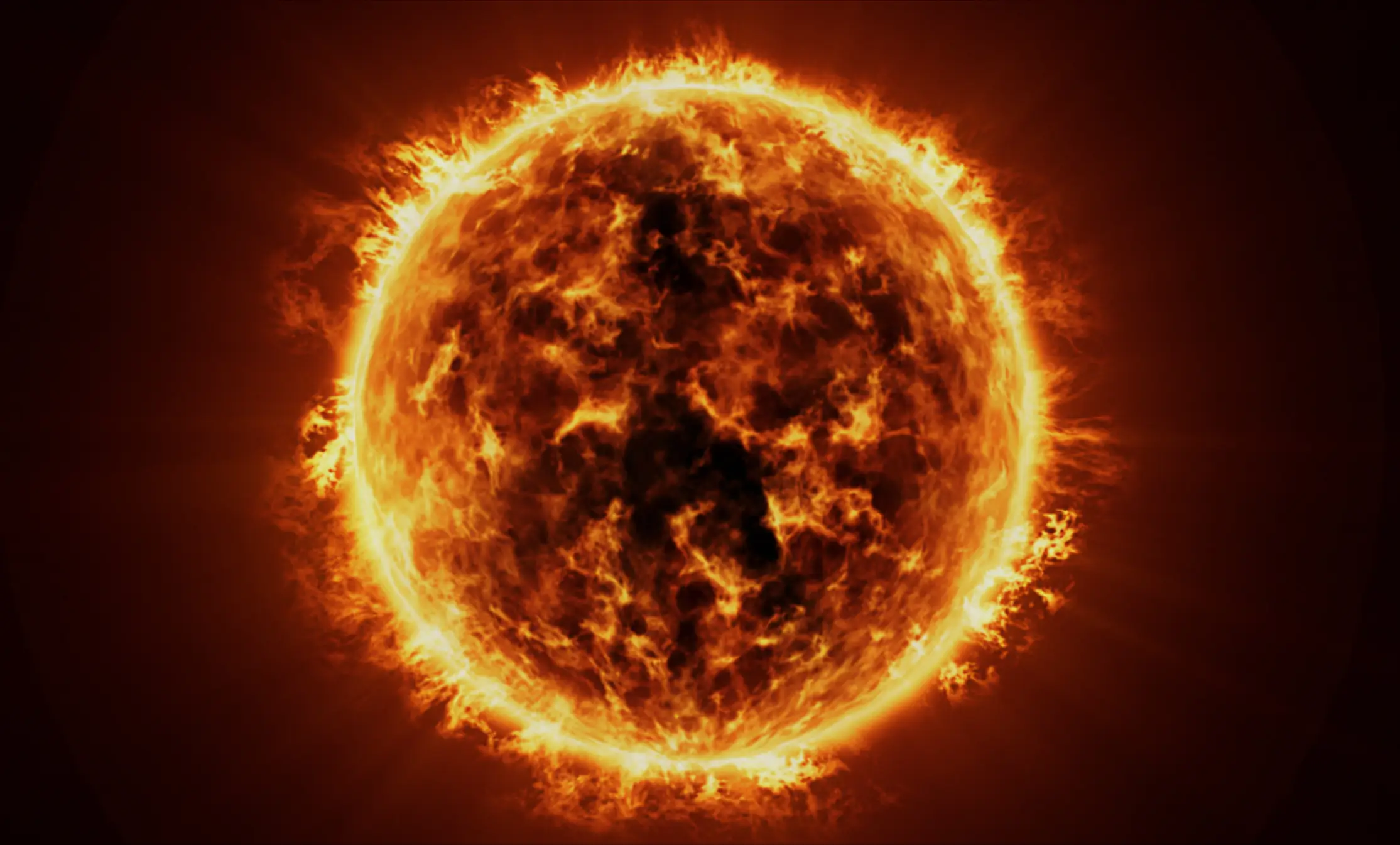
Most of the time they're completely harmless, but sometimes they can cause solar eruptions, catapulting potentially harmful particles towards our planet and interfering with various apparatus like satellites and space technology.
Scientists have proposed that the origin of the burst comes from three separate coronal mass ejections located within the same area of the Sun, causing massive explosions that subsequently released particles and magnetic energy, picked up by us through a lengthy radio signal.
While the blast itself is exciting enough on its own, it has also allowed researchers to discover new ways to analyse radio bursts and signals from the Sun, which subsequently also improves our ability to forecast space weather going forward.
Published in The Astrophysical Journal Letters, scientists used data captured by NASA's STEREO (Solar Terrestrial Relations Observatory), Parker Solar Probe, and Wind missions, in addition to the Solar Orbiter operated by NASA and the European Space Agency (ESA) to achieve significant progress.
"This event sets a new duration benchmark for type IV emission and shows that wavevector-corrected ray sphere (WCRS) enables single-spacecraft localization," the study illustrations, "with potential relevance for operational space weather forecasting, including single-point tracking of CME-driven shocks (type II bursts) and open field connections (type III bursts).
This could prove to be vital when it comes to analysis of further bursts from the Sun, especially as many have outlined the danger of extreme solar storms that could send the world into chaos.
Powerful versions of these storms would hold enough energy to wipe out vital systems – especially through satellites – so having a better understanding of when these might occur and where they might hit could give our planet a major advantage in the future.