
Common $20 powder sitting in your kitchen can actually 'supercharge' human immune cells


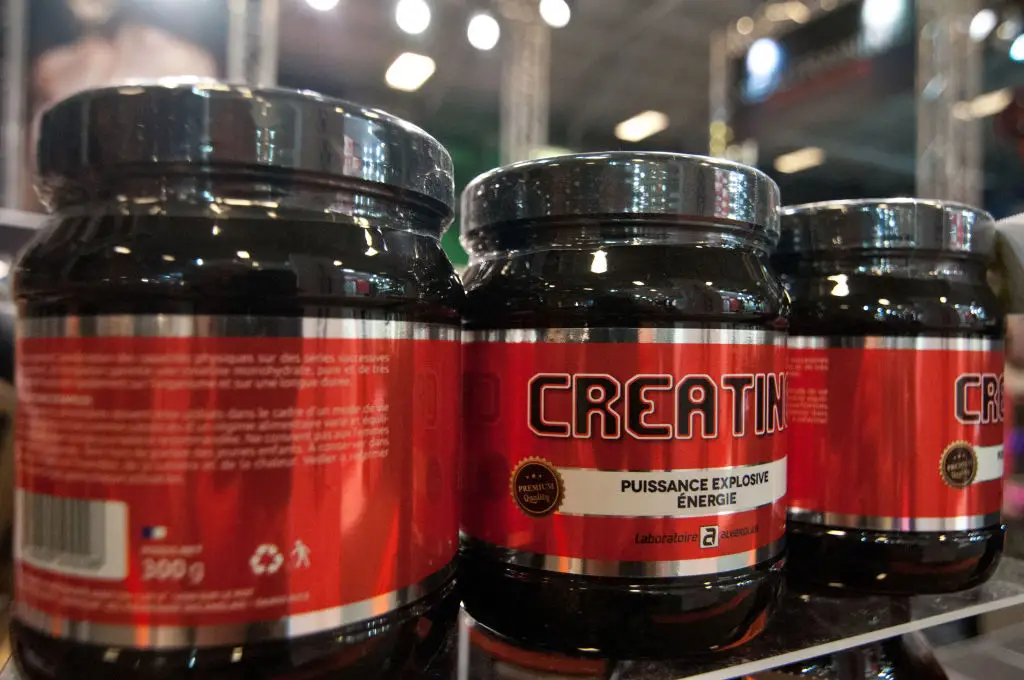
A new scientific study reveals the shocking impact that creatine – a $20 powder many people already have in their kitchens – can have on your immune system, holding the potential to play a key role in the battle against cancer.
Fighting cancer in its many forms is something that scientists and health experts are constantly attempting, and new potential 'cures' are being discovered at a greater frequency — especially with the advent of artificial intelligence.
One of the biggest finds might just have been made, however, and it applies not just to the often deadly disease but also to an overall improvement of our body's ability to attack issues that occur.
A new study, published in iScience by researchers at UCLA, indicates that the organic acid creatine – commonly taken by athletes and bodybuildings – can 'supercharge' immune cells designated to fighting cancer within the body.
Advert
Its potency revolves around the viability of immunotherapy cancer treatments, which employ dendritic cells to direct T cells which subsequently kill cancer and destroy tumors, as the scientists discovered that creatine is a vital resource for the function of these cells.
Currently only between 20 and 40 per cent of cancer patients are able to respond to immunotherapy treatments despite their 'remarkable promise', according to Lili Yang, the study's primary author, but the application of creatine in conjunction with these treatments could potentially enhance their potency.
"What this study shows is that creatine doesn't just help the T cells fighting cancer – it also energizes the entire infrastructure support and guides them," Yang explained in a statement.
"That makes creatine a promising supplement to holistically support the immune response that modern immunotherapies depend on," the professor of microbiology, immunology and molecular genetics continued.

The study was conducted alongside tests on mice, where researchers were able to observe that the gene encoding the creatine transporter was the most active within dendritic cells infiltrating active tumors.
This was then extended to tests on human dendritic cells, which showed similar results when stimulating T cells.
"The potential we see here is that creatine could be used in two complimentary ways: as a supplement to enhance the immune response of patients already receiving immunotherapy, and as a tool to improve the quality of dendritic cell-based vaccines before they're administered," James Elsten-Brown, a co-author of the study, illustrated.
Of course, this applies only at the medical level of cancer treatments and taking creatine in your everyday life has no functional means of deterring cancer – at least that we know of – but it shows how potentially life-saving discoveries can be made using otherwise common components.