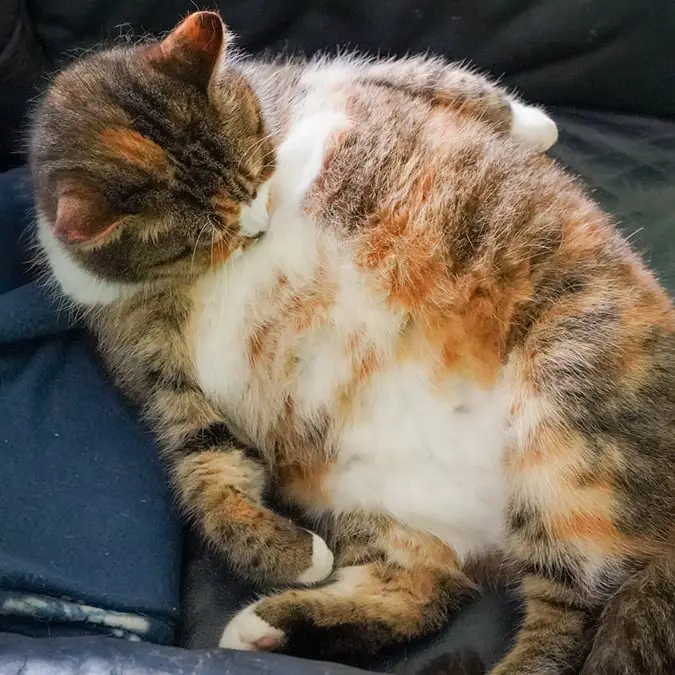
Experts issue warning over potentially dangerous weight loss jabs for pets


Concerns have been raised over new weight loss injections that are set to become available for pets as early as next year.
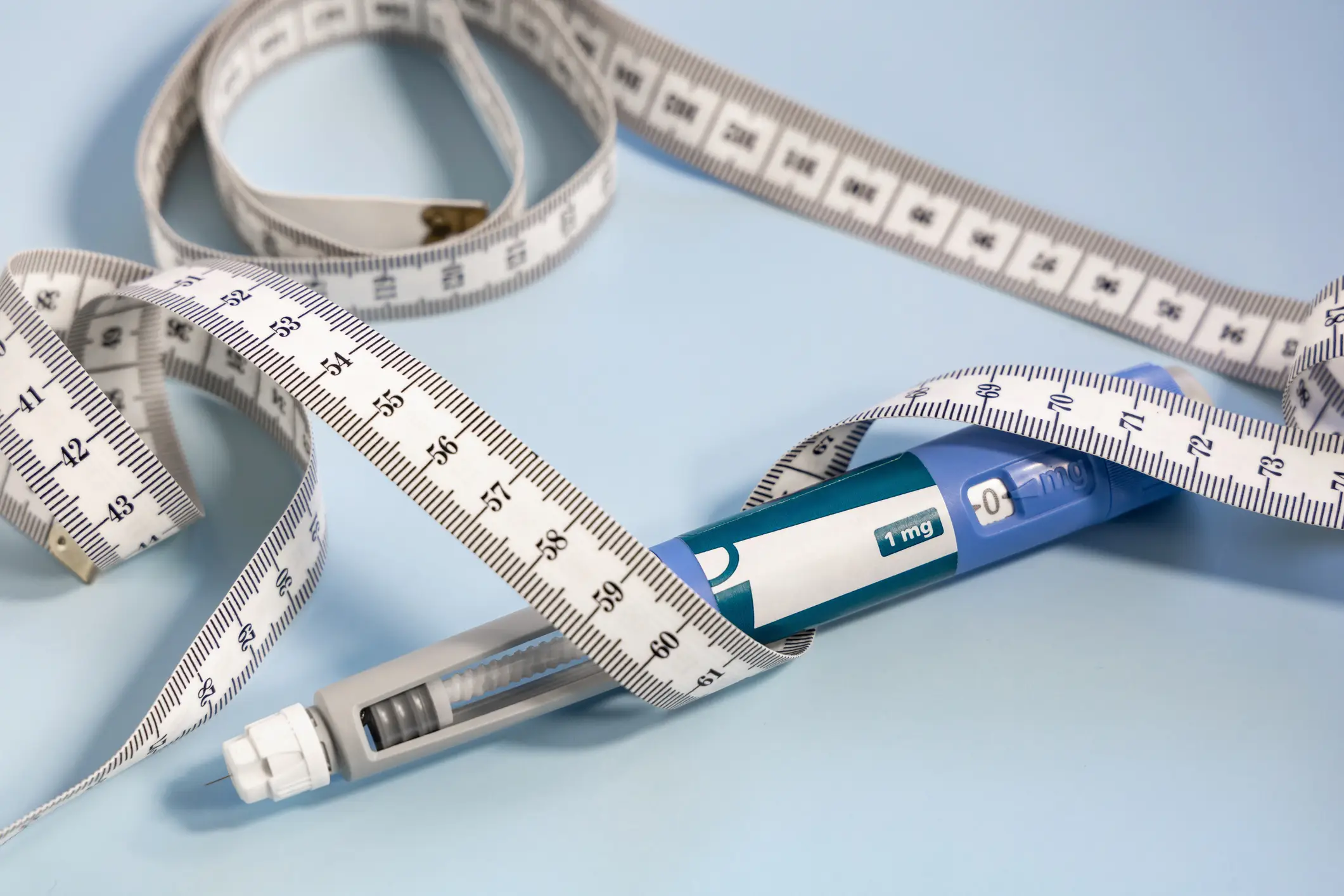
GLP-1 drugs have taken the weight loss industry by storm in recent years and it seems like they could soon be used to treat obesity in our pets too.
However, this could look different to the way humans use the medication, which is administered through a weekly injection.
Okava Pharmaceuticals, which is currently trialing a new approach, has revealed that instead cats will be given an implant that releases GLP-1 into the body for up to six months.
Advert
The news has garnered a mixed reaction online, with many people taking to social media to share their own thoughts on the matter.
On Reddit, one user wrote: “For some reason this makes me really uneasy but I can't really explain. I suppose it's because I've had success getting my fat cats to lose weight without medicine, but they've never had diabetes or other health/behavior issues that might make that difficult.”
Another said: “I don't personally have an issue with this kind of intervention existing, I just find it pointless as you the owner can completely control how much they eat. Any metabolic issues requiring even fewer calories than normal? No problem feed them less. They're completely unable to give in to hunger or food noise.”
A third person commented: “As someone who has worked in the veterinary field, this is exciting. Some cats genuinely struggle with metabolic syndrome and food addiction despite every lifestyle intervention made by owners. Not to mention potentially cats with severe pica.”
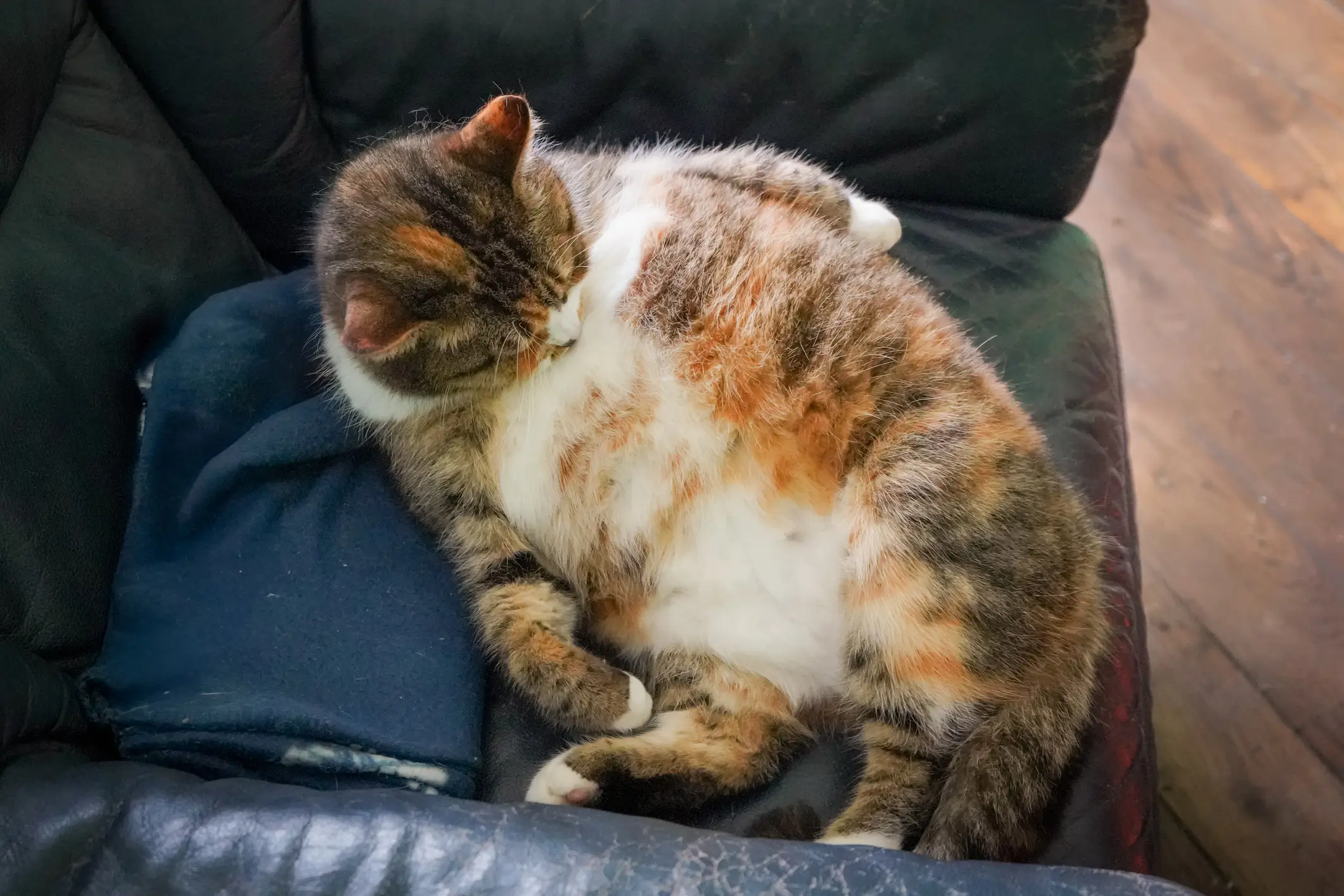
And a fourth added: “That’s so weird. I wouldn’t want my cat having random diarrhea and nausea and vomiting. Being exhausted, and cold.”
According to a study conducted by Petgevity, 58% of pet owners in the UK say they’d never use GLP-1 treatments on their pets, while 22% admitted they would consider them only as a last resort.
Amid the news, TV expert and pet nutritionist Chloé Fuller has shared some practical and natural ways to manage your pet’s weight.
This includes being mindful of treats, avoiding calorie-heavy options like cheese or sausages and instead opting for mixing blueberries, carrots, and weight-loss kibble.
Fuller also highlights the importance of getting familiar with calories as you might be ‘accidentally overfeeding’ your pets.
Regular weigh-ins can also help to keep track of your pet’s health as well as setting regular meal times.