Experts issue warning over potentially deadly side effect of popular anti-depressant


Some medications come with a long list of possible side effects, ranging from minor inconveniences to more concerning symptoms that need medical attention.
Recognising these side effects early enough can help you discuss things with your doctor, who can adjust your treatment to make sure it works for you, not against you.
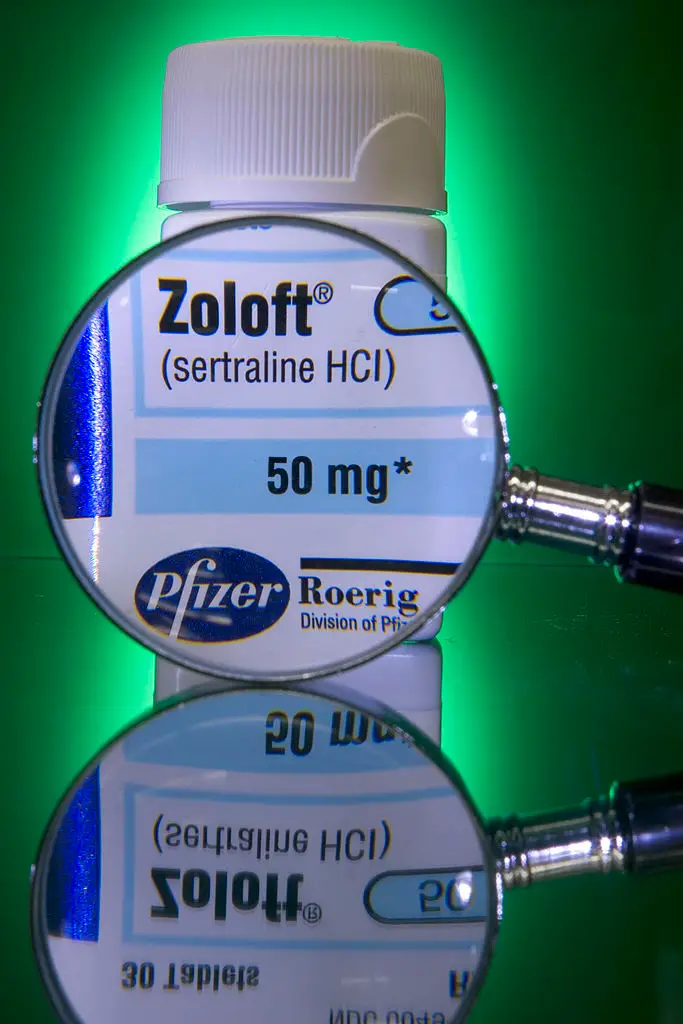
One commonly prescribed medication that falls into this category is sertraline, also known by its brand name Zoloft. It's widely prescribed through the NHS and, like other meds, carries some risk of side effects though not everyone will experience them.
What is sertraline prescribed for?
Classed as a selective serotonin reuptake inhibitor (SSRI), sertraline is an antidepressant used to treat moderate-to-severe depression, anxiety disorders, PTSD, and OCD by increasing brain serotonin levels.
"It's thought to work by increasing the level of serotonin (a chemical in the brain that controls mood)," the NHS noted. "When serotonin levels are normal you feel calmer and happier."
Advert
Common side effects
Most side effects, if you have them, tend to ease up after a couple of weeks 'as your body gets used to the medicine', the NHS described. However, some can stick around longer.
The common side effects include:
- Headaches
- Nausea and vomiting
- Dizziness or drowsiness
- Dry mouth
- Diarrhoea
- Sleep problems
- Sexual problems e.g. loss of libido
- Weight gain
The medical experts note the importance of talking to your doctor if you're experiencing side effects that won't go away or are getting worse.
According to the NHS: "Your doctor may prescribe a low dose to start with and increase it after a week or more. This reduces the chances of side effects."

The rare, but serious side effects
In extremely rare cases, some people may develop more serious side effects that require urgent medical attention.
In its most severe form, serotonin syndrome can trigger life-threatening complications such as fever, tremors, seizures, irregular heartbeat and loss of consciousness.
The rare side effects include:
- Allergic reaction (anaphylaxis) – causing symptoms such as a swollen throat or tongue, a raised, itchy rash and difficulty breathing
- Serotonin syndrome – a rare but serious condition that causes a fast heartbeat, sweating, shaking, twitching muscles and feeling confused or agitated
- Feeling very low and having suicidal thoughts
If users experience any of these symptoms, or have accidentally taken more than one dose at a time, they're advised to contact a health professional immediately.