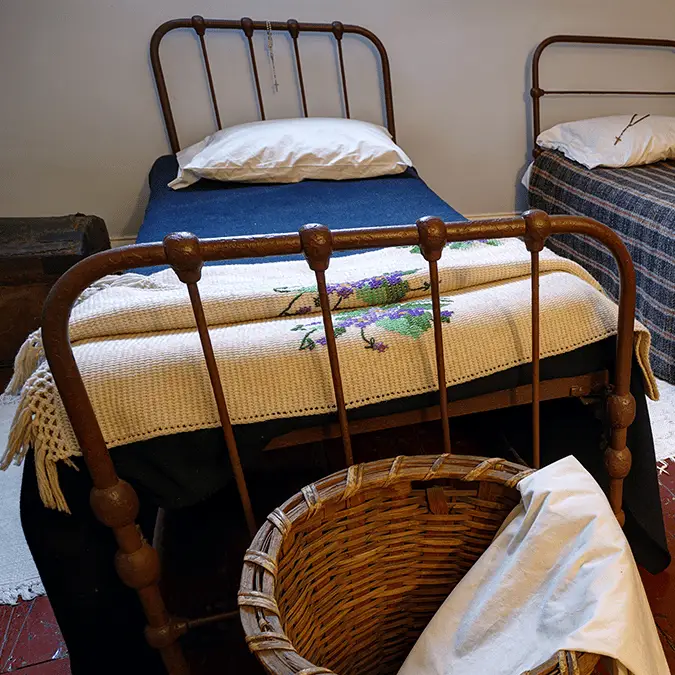
Hidden passageway linked to underground railroad discovered under bottom drawer of dresser in New York


A New York museum made an incredible discovery this week when they uncovered a secret passageway to the underground railroad beneath a dresser.
While archaeologists typically make their biggest discoveries beneath pyramids or ancient ruins, sometimes history hides in unexpected places.
A landmark house in Manhattan preserved as a museum to New York’s 19th-century history has revealed a stunning secret underneath its floorboards.
Long celebrated for its historical significance, the Merchant’s House Museum was reportedly served as a refuge for people escaping slavery before and during the Civil War.
Advert
The building in Manhattan’s NoHo neighbourhood was designated a National Historic Landmark in 1966, just one year after becoming the first structure in Manhattan designated under the city's Landmarks Preservation law.
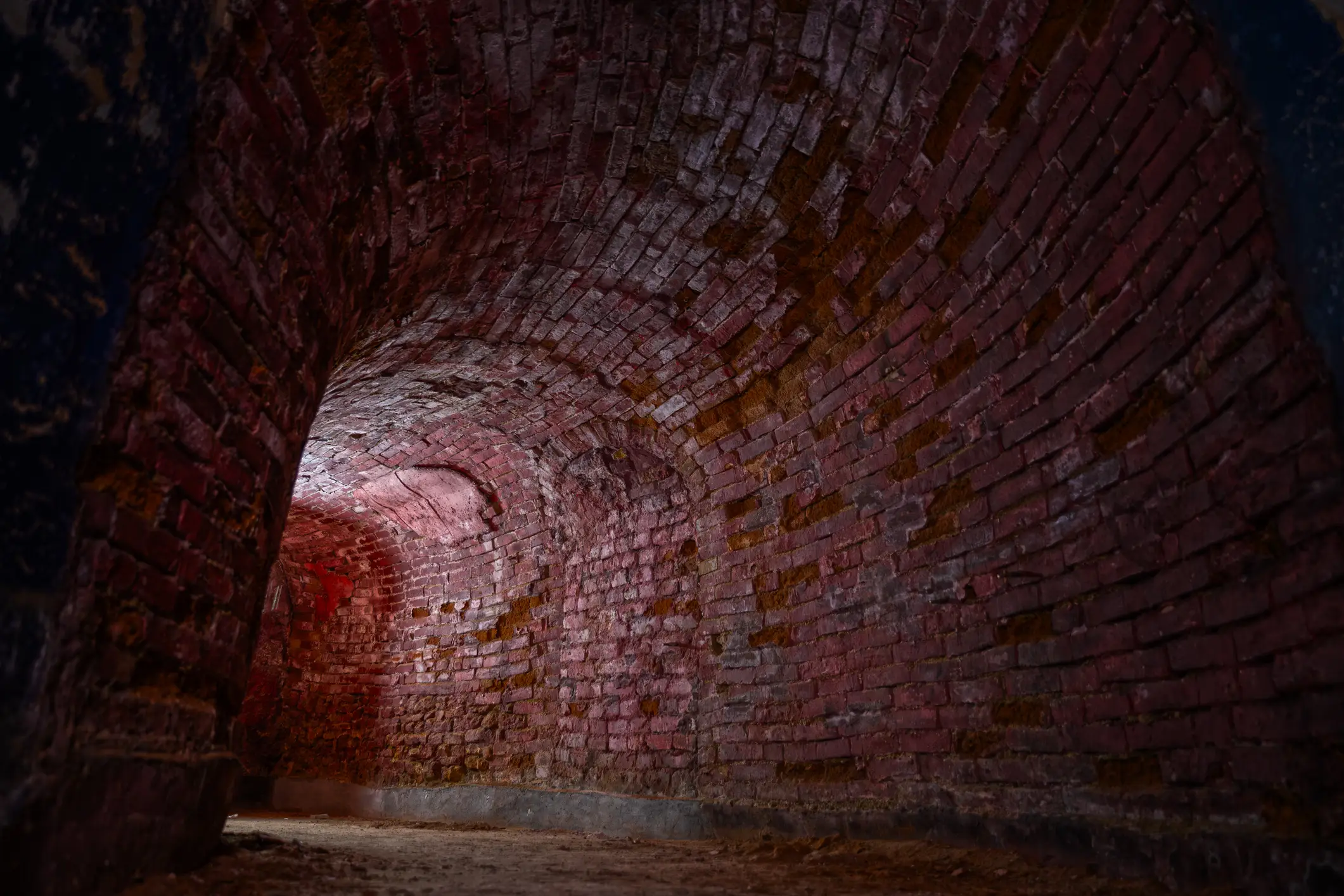
The house looks 'frozen in time' as news outlet NY1 reported the 'ruby-red front parlour complete with its original piano to the kitchen with its cast-iron coal-burning stove.'
Looking beneath the drawers of a built-in dresser in the wall of a hallway on the building’s second floor, archaeologists found a small rectangular opening cut into the floorboards. The enclosed 2ft by 2ft space contained a ladder leading to the ground floor, linking to the Underground Railroad.
Speaking to NY1, the team confirmed that the house was likely used as a 'safe house' for people who had escaped enslavement in the South.
“We knew it was here, but didn’t really know what we were looking at,” Camille Czerkowicz, the museum’s curator, told the outlet.
The experts added that the concealed space in the Merchant's House would have served as an emergency hiding spot and quick escape route.
During the years leading up to the Civil War, organised groups of slave catchers hunted down escapees to collect reward money under the legal authority granted by the Fugitive Slave Act of 1850.
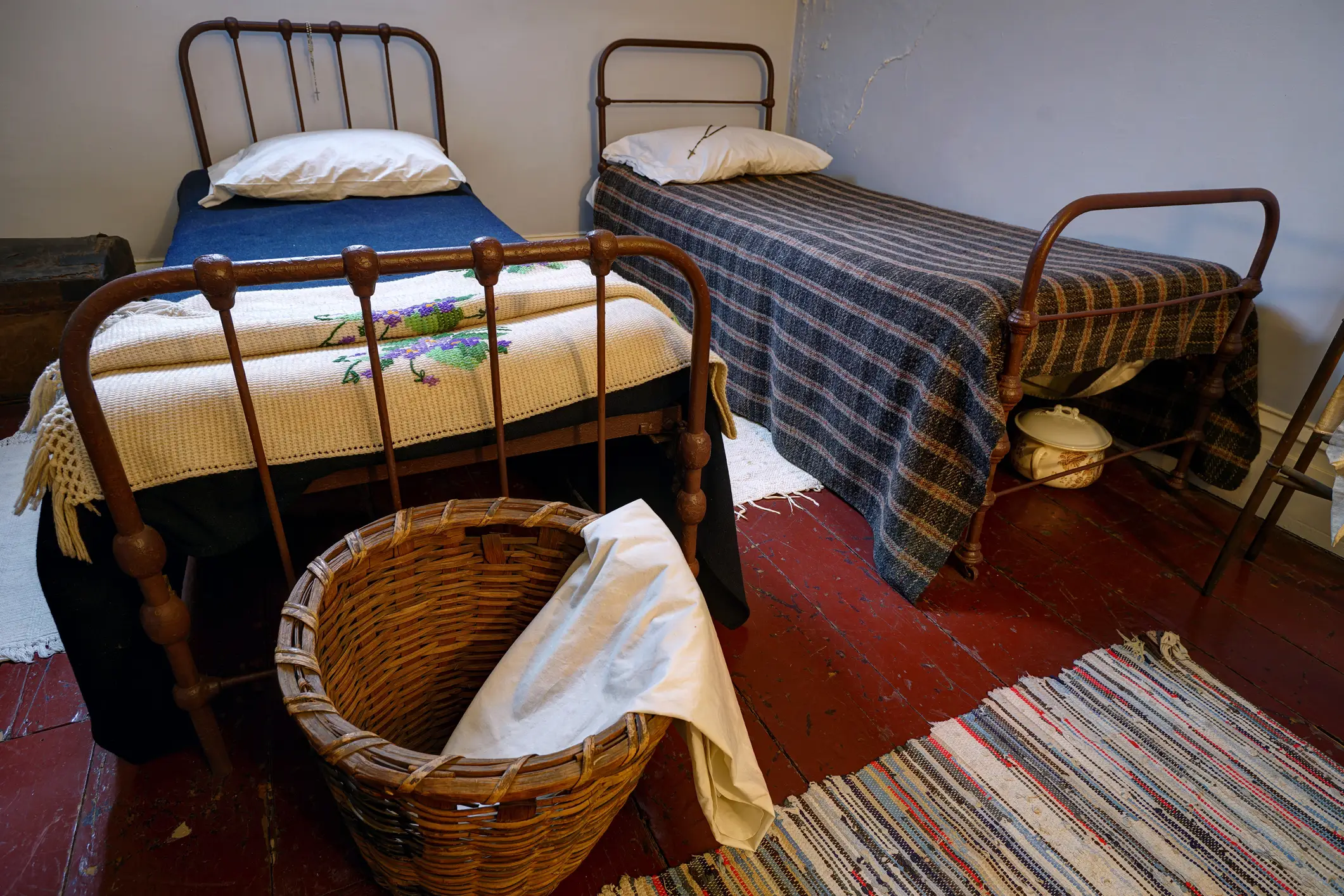
“This is a generational find," added Michael Hiller, a preservation attorney and professor at Pratt Institute. "This is the most significant find in historic preservation in my career, and it’s very important that we preserve this.”
Merchant’s House was built in 1832 by a tradesman, Joseph Brewster, before it was sold three years later to the Tredwell family, who lived there until 1933. It then became a museum after it was sold at auction.
Architectural historian Patrick Ciccone claims the hidden space was installed by Brewster, whom he describes as almost certainly an abolitionist.
“Being an abolitionist was incredibly rare among white New Yorkers, especially wealthy white New Yorkers,” he noted. “[Brewster] was the builder of the house, and he was able to make these choices and design it.”