CDC issue travel warning over virus that causes horrifying rash


One major virus has prompted the Center for Disease Control (CDC) to issue an upgraded warning for all travelers, urging them to exercise caution if they're on their way to a luxury holiday destination.
Illness is something you have to consider when traveling to certain parts of the world, and that is often combatted by taking certain vaccines before your journey.
However, two separate locations – with one being a notably popular luxury vacation spot – have been highlighted by the United States government as hotspots for a dangerous virus, which could leave you with a horrendous rash among other unpleasant symptoms.
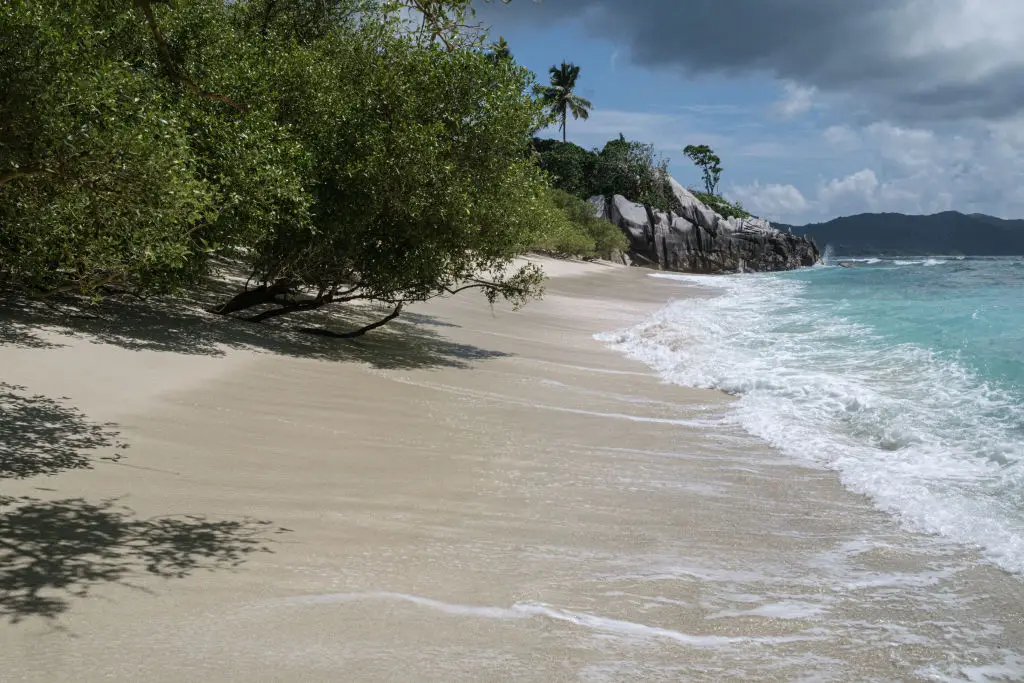
As reported by the Daily Mail, this virus in question is known as chikungunya, and it has been identified within both the Seychelles and Suriname, with the former famous for its stunning blue waters and relaxing atmosphere.
What causes chikungunya?
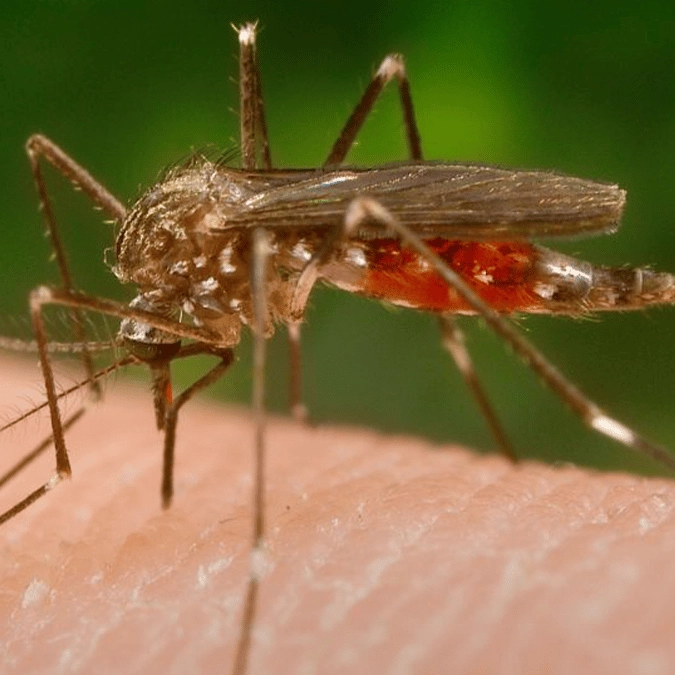
The primary spreader of chikungunya is mosquitos, in particular the Aedes variant of the biting insect, with this particular type running rampant in the two aforementioned locations right now.
Advert
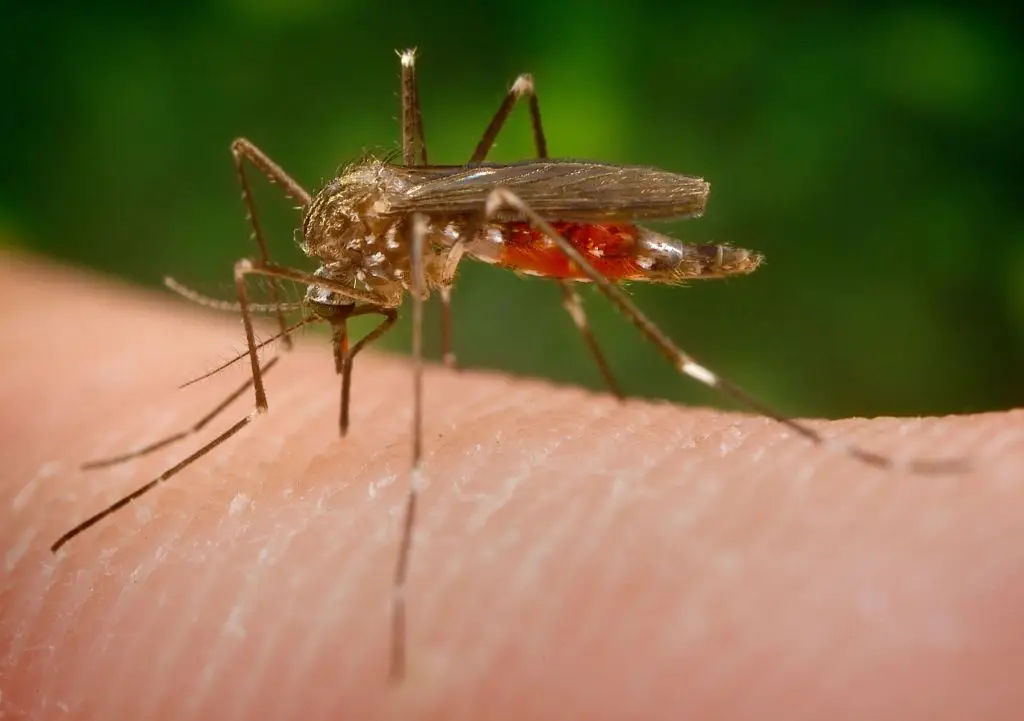
It's the exact same species of mosquito that spreads both dengue and Zika, and chikungunya is transmitted through bites that you can easily find yourself subjected to if you're not careful.
What are the symptoms of chikungunya?
If you do happen to be bitten then you'll likely find yourself subjected to extreme rashes, a high fever, painful joints, muscle aches, headaches, and even swelling in affected areas of the body.
In most cases these unpleasant symptoms only last for a number of days, with the effects typically subsiding within a week, yet some are unlucky enough to have them persist for months and even years in some cases, with arthritis the most common long-term issue.
Symptoms typically emerge between three to seven days after the bite transmitting the virus occurs, and experts have highlighted individuals with underlying health conditions, those over the age of 65, newborns, and pregnant people as those who are most at risk of developing stronger health complications as a result of contracting chikungunya.
What precautions should travelers take?
While the CDC hasn't outlined any specific precautions outside of urging travelers to be mindful of the risk, the government health agency has raised both Suriname and the Seychelles to a 'Level 2' threat, which indicates that individuals should be strict with their precautions.
For example, employing an EPA-registered insect repellant is strongly advised, alongside wearing long-sleeved tops and long trousers. Additionally, you'll want to make sure that your hotel room is fully secure, and that you've got screens and air conditioning to best protect against mosquitos during all hours of the day.
You can still travel to the affected countries, but it's probably best to hold off on a trip for now if you can help it, as you'll be wishing you had if you do happen to get bit by the dangerous mosquito.