Epstein survivors speak out in new interview after 3,000,000 files were released


Two survivors have spoken out and revealed their feelings following the release of over 3 million documents from the Epstein files, criticising in particular a decision that left the government in trouble with the law.
While much of the focus of the Epstein files has been on high-profile figures that have been mentioned or even made an appearance within the released documents, many have neglected the impact that this has had and will continue to have on the victims of the child sex offender's crimes.
This is something that Melinda French Gates reiterated when responding to claims about that ex-husband had contracted an STD from 'Russian Girls' that emerged within the recent release of emails. And now, two survivors of Epstein's abuse have spoken out in a powerful interview addressing the millions of documents that are now out in the wild.
Advert
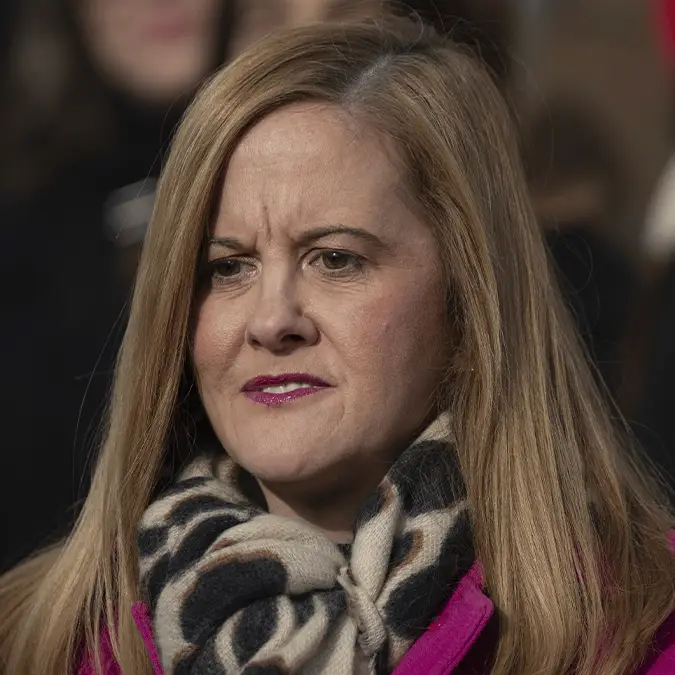
One particular aspect of the release that both Sharlene Rochard and Liz Stein outlined when speaking to ITV News was how redactions were handled by the US Department of Justice when the files were released, which was recently a legal consideration before amendments were made.
You might have noticed when scanning the files yourself that most of the people that Epstein was exchanging emails with or mentioning within documents have had their names redacted, whereas the identities of countless victims were left untouched and exposed.
This didn't just include their names, but also their faces within images, and even sensitive information like email and home addresses.
Both expressed their frustrations with Pam Bondi's case, which appears to only address how well the Attorney General is doing as opposed to questions regarding transparency and the mishandled redactions, hiding the identities of perpetrators while exposing the victims.
"I think that we were really disappointed when we saw the files come out and we saw how heavily the names of people who were potentially implicated in this crime were redacted," illustrated Liz Stein, "and we saw the omission of so much survivor data.
"I can tell you myself that when I found information on myself, my name was unredacted several times, part of my address was unredacted, and so we see again and again where powerful people who caused us harm are being protected and we're being exposed, and so I think that can be intentional.
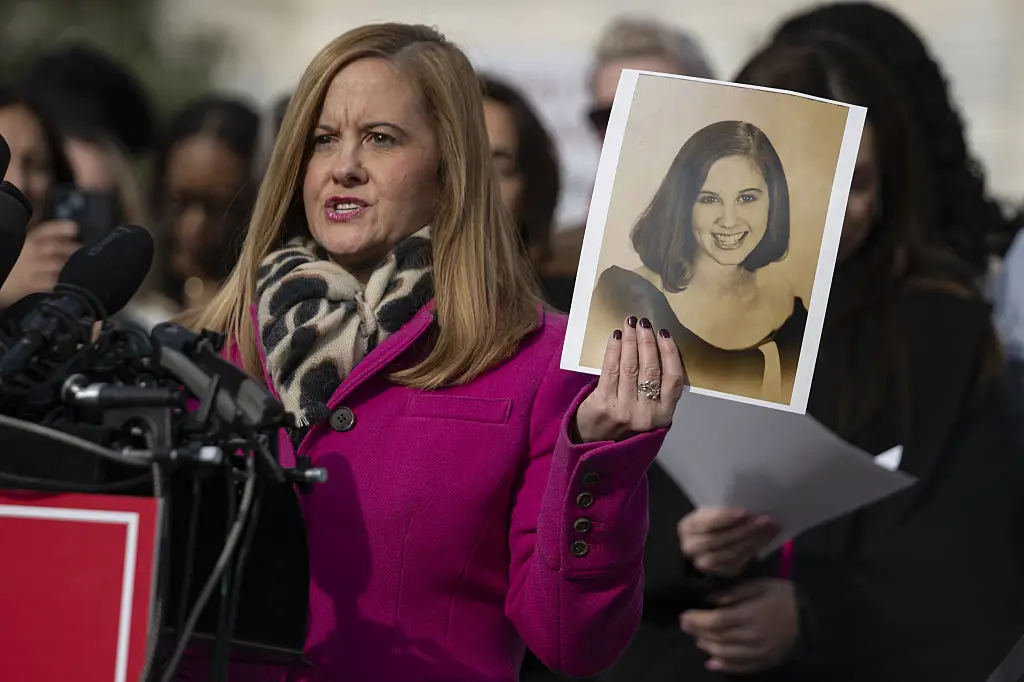
"I think that when information is released that exposes survivors, it is meant to silence us, but it's done the opposite," Stein continued. "It's just made us stronger, it's just made us angrier, and it's made us more steadfast in our pursuit of justice."
Part of the reasoning for the delayed release of the files in the first place according to the DOJ was to protect the victims through redactions, yet time and time again are they left defenseless while the individuals potentially and allegedly behind the abuse are shielded from public view, leading to a sense of injustice from those who were directly affected by these horrific crimes.