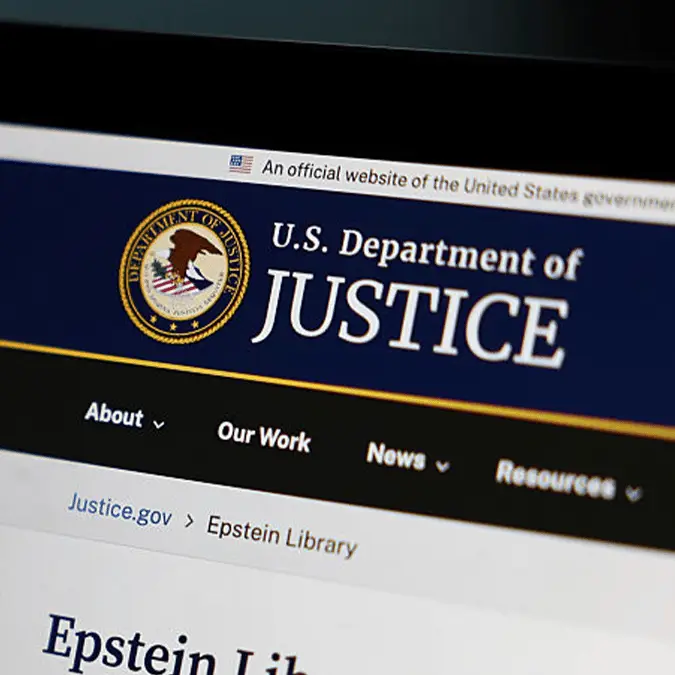
Department of Justice explains why 'thousands' of documents have been removed from the Epstein files' 2026 release


Warning: This article contains discussion of child abuse, which some readers may find distressing.
For a brief window of time people were able to access and view thousands of now-removed documents as part of the latest Epstein files release, and the US Department of Justice (DOJ) has explained why this decision was made.
Everyone's eyes were combing through the thousands of documents, photos, and emails released from the Epstein files by the DOJ on January 30, 2026, trying to spot many of the key new details that emerged.
Not only did people discover an abundance of horrifying new comments from the convicted child sex offender, but the files also revealed connections between Epstein and a number of prominent individuals, including Elon Musk, Bill Gates, and even Donald Trump.
Advert
For some of these people needed to act quickly though, as a large number of documents got removed shortly after the files went live, leading many to wonder why this might have been the case.
There have been hiccups previously during the first major release that let people remove redactions classified information from certain documents, and this latest move from the DOJ was motivated by an even greater concern.
As reported by the BBC, the removal of several thousand documents from the latest Epstein files release was motivated by victims of the disgraced financier, who claim that flawed redactions let their identities to be compromised.
It came to light when lawyers for the victims identified the vulnerability and alerted the Department of Justice, indicating that the lives of nearly 100 survivors had been "turned upside down."
It has been alleged by the lawyers to be "the single most egregious violation of victim privacy in one day in United States history."
A court case had initially been scheduled for Wednesday in New York to address the concern, but this has since been called off after both parties were able to resolve the issue by taking down the affected documents, with the DOJ noting that it was due to "technical or human error."
As to what was exposed by the insufficient redactions, lawyers have indicated that the names and faces of victims were exposed through email addresses and nude photos, with survivors asserting that they should not be "named, scrutinized, and retraumatized."
The Department of Justice has indicated that it's continuing to review the documents for further errors and examine any new requests, and the expectation is for these documents to be correctly redacted and then reuploaded for disclosure, with many still yet to be released.
If you’ve been affected by any of these issues or want to speak to someone in confidence regarding the welfare of a child, the Childhelp USA National Child Abuse Hotline (1-800-4-A-CHILD (1-800-422-4453) operates 24 hours a day, seven days a week, and receives calls from throughout the United States, Canada, US Virgin Islands, Guam and Puerto Rico.