
Researchers say two lifestyle habits play a role in most preventable cancers


Preventable cancers make up an unexpected proportion of the deadly disease, with research from the World Health Organization (WHO) pointing towards at least one in every three cases being avoidable by making changes in your life.
These aren't always necessarily straightforward, as it could involve medical intervention or factors that are outside of individual control like those relating to the environment, but they remain 'preventable' by nature and therefore experts aim to help people avoid the risks.
As shared by ScienceAlert, chief among these preventable forms are lung, stomach, and cervical cancers, and new research has pointed towards a number of key lifestyle habits that play a significant role in the development of these often fatal diseases.
Dr Isabelle Soerjomataram, medical epidemiologist at WHO and lead author of a new study conducted by the organization has asserted that "addressing these preventable causes represents one of the most powerful opportunities to reduce the global cancer burden," and the results highlight two causes in particular that people should be aware of.
Advert
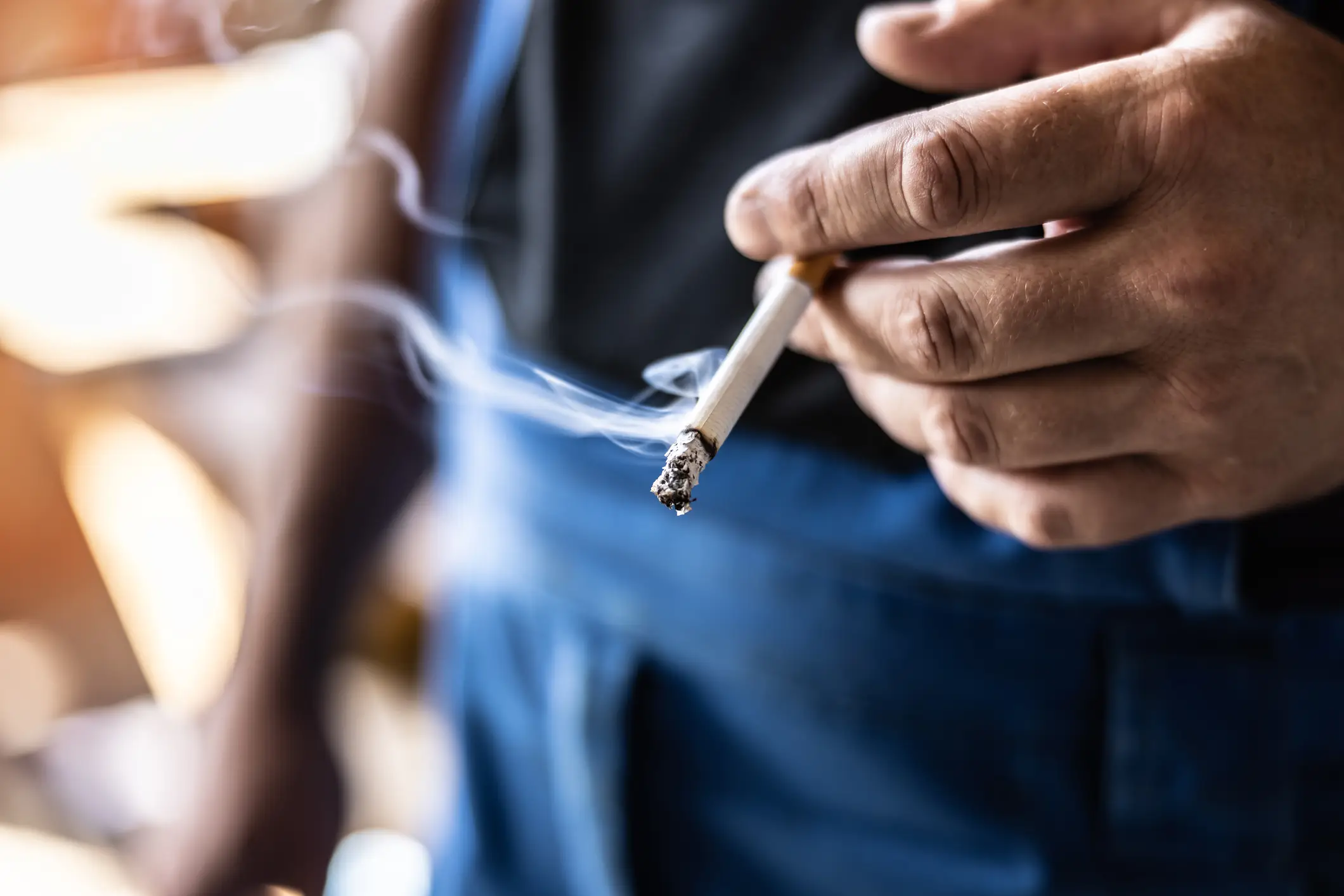
While medical experts have highlighted the risks of consuming certain food and drink in relation to cancer development, it's not exactly surprising that the biggest driver of preventable cancer is smoking, and it possesses a notably significant risk among men.
Data collected as part of the study has identified that roughly 23 percent of all new cancer cases among men are caused by smoking cigarettes, with around six percent for women, ranking as the second only to infections in that regard due to the heightened risk associated with HPV and cervical cancer.
Another key lifestyle habit that was highlighted by the study's results was alcohol consumption, which accounts for 4 percent of all total cancer cases for men, providing to be a notable risk. Though you might also consider cutting out for other reasons, especially later on in life.
There are a number of factors that, while still preventable by definition, are out of the control of many individuals. For example, the aforementioned risk of infections is an issue that can only be solved through greater access to medicine and vaccines, and there is a notably strong link between the development of lung cancer and high levels of air pollution.

"The findings underscore the need for context-specific prevention strategies that include strong tobacco control measures, alcohol regulation, vaccination against cancer-causing infections such as human papillomavirus (HPV) and hepatitis B, improved air quality, safer workplaces, and healthier food and physical activity environments," the study concludes.
Dr Soerjomataram also praised the impact that the study will likely have in the future, noting that it incorporates "for the first time infectious causes of cancer alongside behavioral, environmental, and occupational risks."