Sleep expert says screen time isn’t the real reason you're struggling to sleep this spring


There's nothing worse than lying awake at night, staring at the ceiling as the minutes tick into hours and the bags gather under your eyes.
You've been counting sheep until the cows come home, but every little noise has you wide awake, cursing your loved ones who are sound asleep in the Land of Nod.
Proponents of the military sleep method claim you'll be asleep in two minutes flat, but as insomniacs will know, it's not always that easy.
But why aren't you pleasantly drifting off to get those important 40 winks that are good for our health and ensure you're ready for the day ahead?
Advert
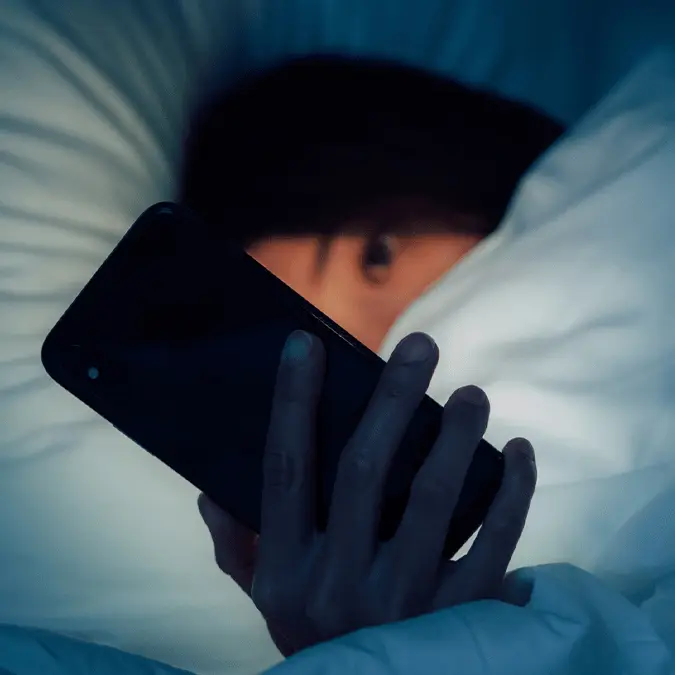
Did you have a coffee too late, do you need one more bathroom break, or could it be that hour you spent scrolling through TikTok?
We've heard plenty about how looking at screens before bed can increase your chances of insomnia, while various sleep experts have reiterated that a steady routine without electronic devices is key to a good night's sleep.
Still, while screens and blue light get a bad reputation, they might be shouldering the blame for a bad night's sleep when there's another underlying cause at this time of year.
According to Medicann's Dr Sunny Nayee, there are several unexpected reasons we might not be sleeping as the seasons change.
Why are we struggling to sleep in spring?
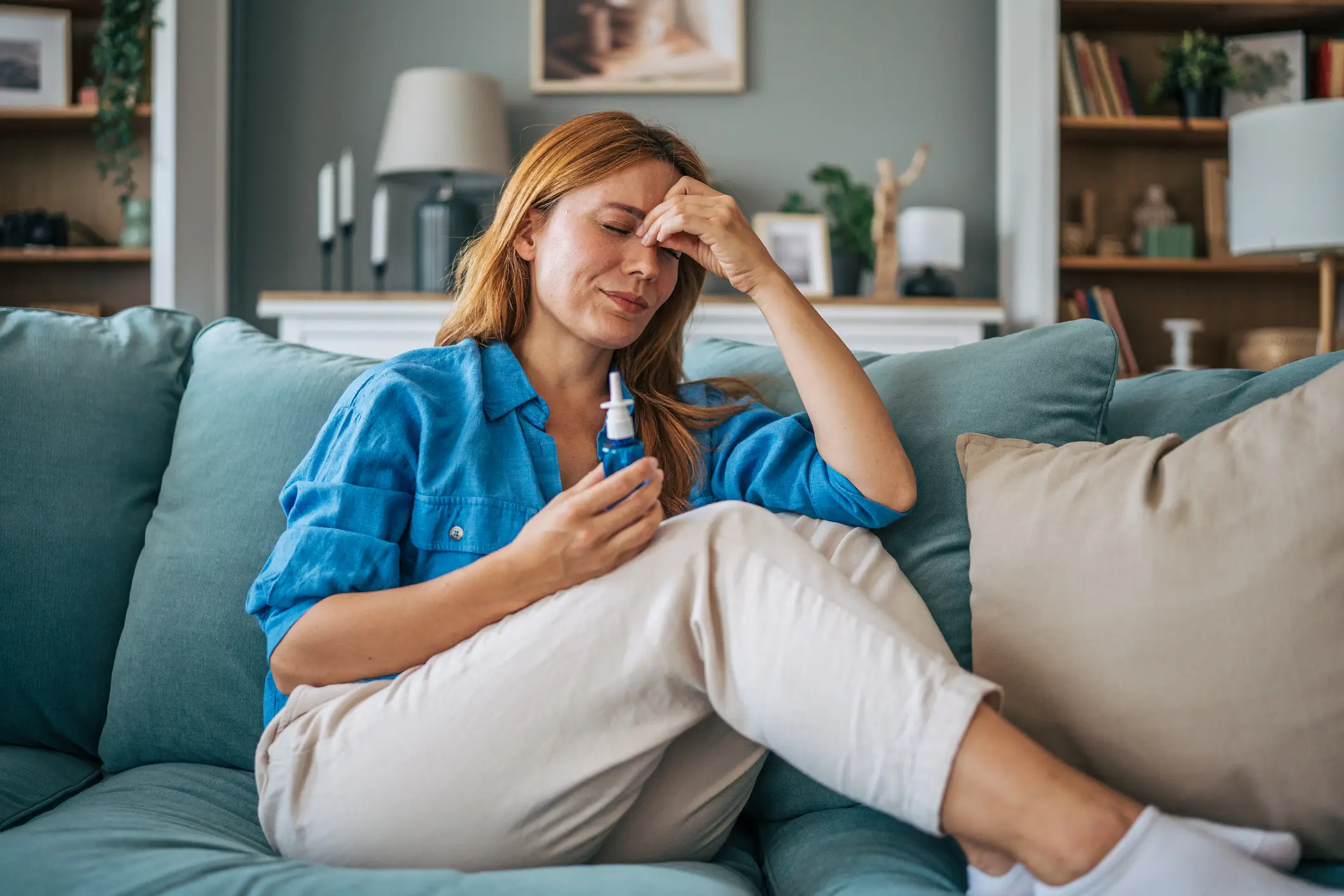
Even though you might assume pollen is an issue reserved for giving us itchy eyes and congestion in the daytime, the impact is typically overlooked when it comes to the evening. As pollen levels rise, airways can become inflamed, which is amplified further when lying flat.
Although you might not fully wake up, pollen can interfere with your sleep cycle and reduce that all-important REM sleep.
You might also be cherishing longer days with more sunlight, but spare a thought for circadian rhythm. More daylight hours mean you might be inadvertently staying up later without realizing it, leading to a 'social jet lag' where your body clock is misaligned with your schedule.
Our hormones are also out of whack, as increased sunlight can affect the sleep hormone known as melatonin, serotonin for our mood and wakefulness, and cortisol that deals with stress and alertness.
A change in the weather will obviously alter your temperature, and remembering your body needs to cool down by around 1-2°C to start and maintain a good sleep, spring's inconsistent weather can screw with this. A warm night might prevent you from entering a deep sleep, whereas cold nights can trigger muscle tension and an unwelcome wakeup call.
Explaining why screens aren't the 'real' reason you can' sleep, Nayee added: "Screens have become an easy scapegoat for poor sleep, but they’re often not the root cause, particularly during spring.
“What we actually see is that sleep disruption this time of year is far more physiological than digital."
As Nayee reminds us, these factors are a frustrating cocktail that influences our circadian rhythm and nervous system: "Spring creates a perfect storm for sleep disruption. Rising pollen affects breathing, lifestyle habits shift all at once, and longer daylight hours delay melatonin. Together, these have a much stronger impact on sleep than screens."
While that isn't a free pass to glue yourselves to your phones and expect a restful night's sleep, completely taking away your devices means you'll likely still struggle to sleep unless you address all of the above.
How to improve your sleep in spring
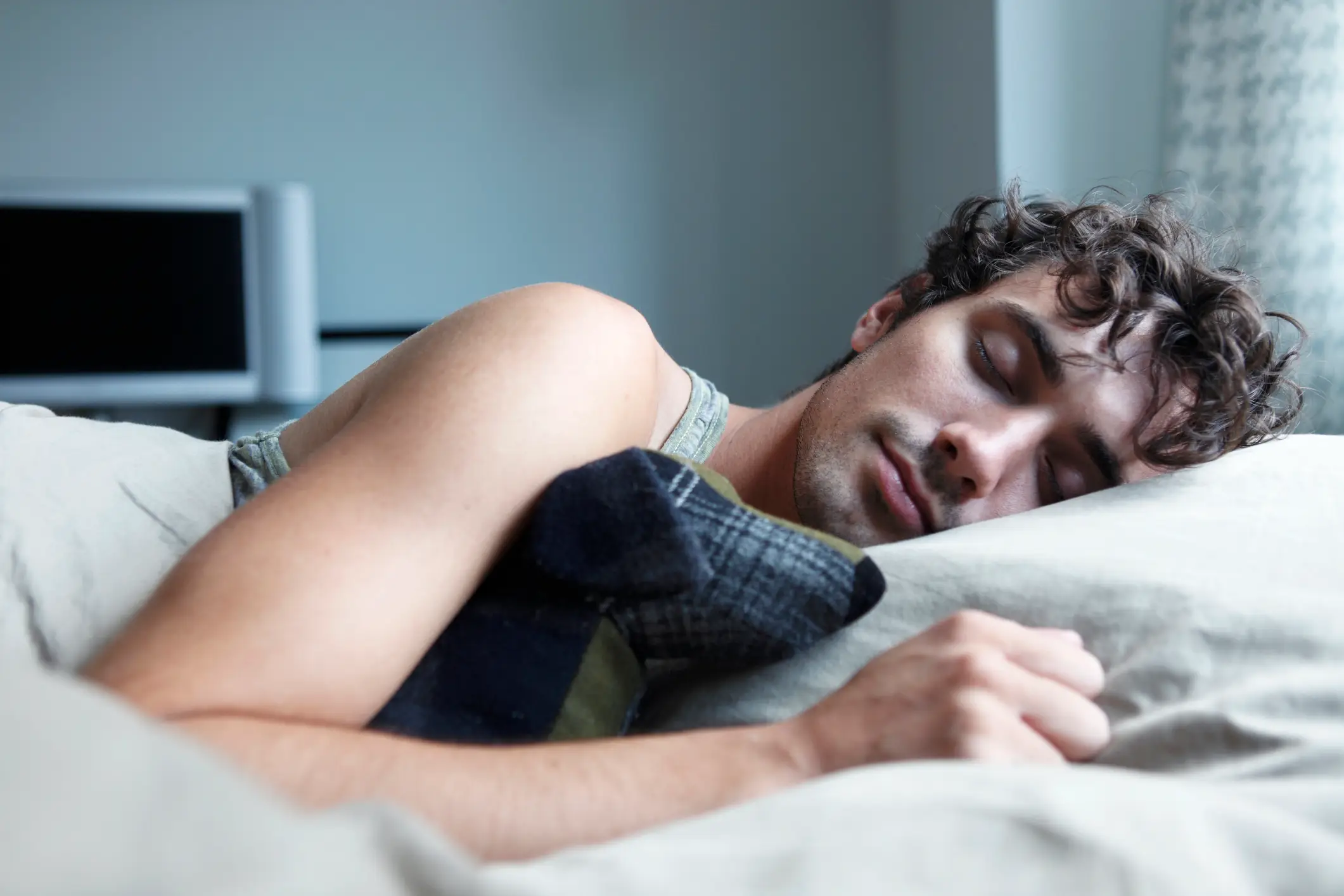
Thankfully, none of these are too hard to tackle once you get to the root cause. Showering before bed can remove pollen allergens, while changing bedding regularly and keeping windows closed during high pollen days are advised. Ensure you keep a consistent bed and rising time, also aiming for an environment of around 60-64°F, and opting for breathable bedding to regulate temperature. Another handy hack is to reset your circadian rhythm naturally in the morning by stepping outside within the first 30 minutes of waking up.
Avoiding those dreaded screens before bed is still important, but also stop eating two to three hours before bed and limit your alcohol consumption. Once all of that's done, Nayee suggests an inhalation method of inhaling for four seconds, holding for three, and exhaling for four to quickly relax the body.
He also debunked the suggestion that simply falling asleep means good sleep, adding: "If you’re blaming your phone but ignoring your environment, you’re missing the bigger picture.
“Sleep is controlled by multiple systems: breathing, hormones, temperature, and your circadian rhythm. Focusing only on screens overlooks a much more complex process."
With bad sleep in spring rarely being random, our bodies are attempting to adapt to seasonal changes. So, instead of defaulting to ditching your devices, focus on morning light exposure, your sleeping environment, and making sure you keep a consistent routine. You'll be getting that all-important eight hours before you know it.