
Health expert warns of 'pandemic panic' as cruise ship hantavirus outbreak claims three lives


One Atlantic cruise turned into the trip from hell, with three people tragically losing their lives following a reported outbreak of the deadly hantavirus on the MV Hondius.
Currently anchored near Cape Verde while en route to the Canary Islands, the World Health Organization is discussing what to do with the Oceanwide Expeditions ship after two more were evacuated in a serious condition and a third was declared stable.
Hantavirus grabbed headlines in 2025 when it was blamed for the death of Gene Hackman's wife, Betsy Arakawa. Typically spread by the urine or feces of infected rodents, hantavirus is classified as hantavirus pulmonary syndrome (HPS) or hemorrhagic fever with renal syndrome (HFRS).
What's the latest with the MV Hondius hantavirus outbreak?

It's believed that the MV Hondius outbreak is HPS, while the WHO is on high alert after Dutch media reported that a KLM flight attendant was admitted to the hospital with hantavirus symptoms. She'd come into contact with a 69-year-old Dutch woman who'd briefly boarded a KLM plane in South Africa but was declared too ill to fly. The 69-year-old woman later passed away, with her death being investigated as a suspected hantavirus case.
Advert
Although WHO epidemiologist Maria Van Kerkhove has reiterated that this health outbreak shouldn't be considered the next COVID-19, a quick scan of social media shows a flurry of fearmongering and misinformation that arguably makes things sound much worse than they are.
As we saw with COVID, misinformation spread just as fast as the virus itself, while we're still reeling from vaccine misinformation that's been perpetuated by some members of the U.S. government.
Hantavirus misinformation is a real danger
According to health expert Ana Carolina Goncalves, there’s an added danger of misinformation about hantavirus spreading. As Superintendent Pharmacist at Pharmica, Goncalves has plenty to say about hantavirus while reminding us that infection is rare but serious.
In terms of what we've learned from the COVID-19 pandemic, Goncalves explains how easily misinformation can spread online, noting that it's especially rife on social media, "Where emotionally charged or alarming content is more likely to be shared and amplified." COVID-19 misinformation is said to have been shared 3.5 times more on X than facts correcting it. As Goncalves warns: "This means a dramatic but false claim can reach large audiences quickly, while later corrections may not reach the same people or travel as far."
Importantly, there's no current evidence that the hantavirus outbreak is presented as a COVID-like airborne threat. This is part of a familiar pattern of panic and false claims that's often expressed as exaggerated transmission or widespread human-to-human spread. She also says to look out for 'pandemic panic' where articles or social media posts are framed to sensationalize the event. Notably, the US Centers for Disease Control and Prevention has reported only 890 hantavirus cases from 1993 to the end of 2023, with no evidence that we're facing a new airborne pandemic.
The general public needs to be aware of claims about hidden cures, suppressed vaccines, and 'secret' treatments, with all of these being similar to the misinformation patterns displayed during COVID-19 and other outbreaks.
Is there a cure for hantavirus?
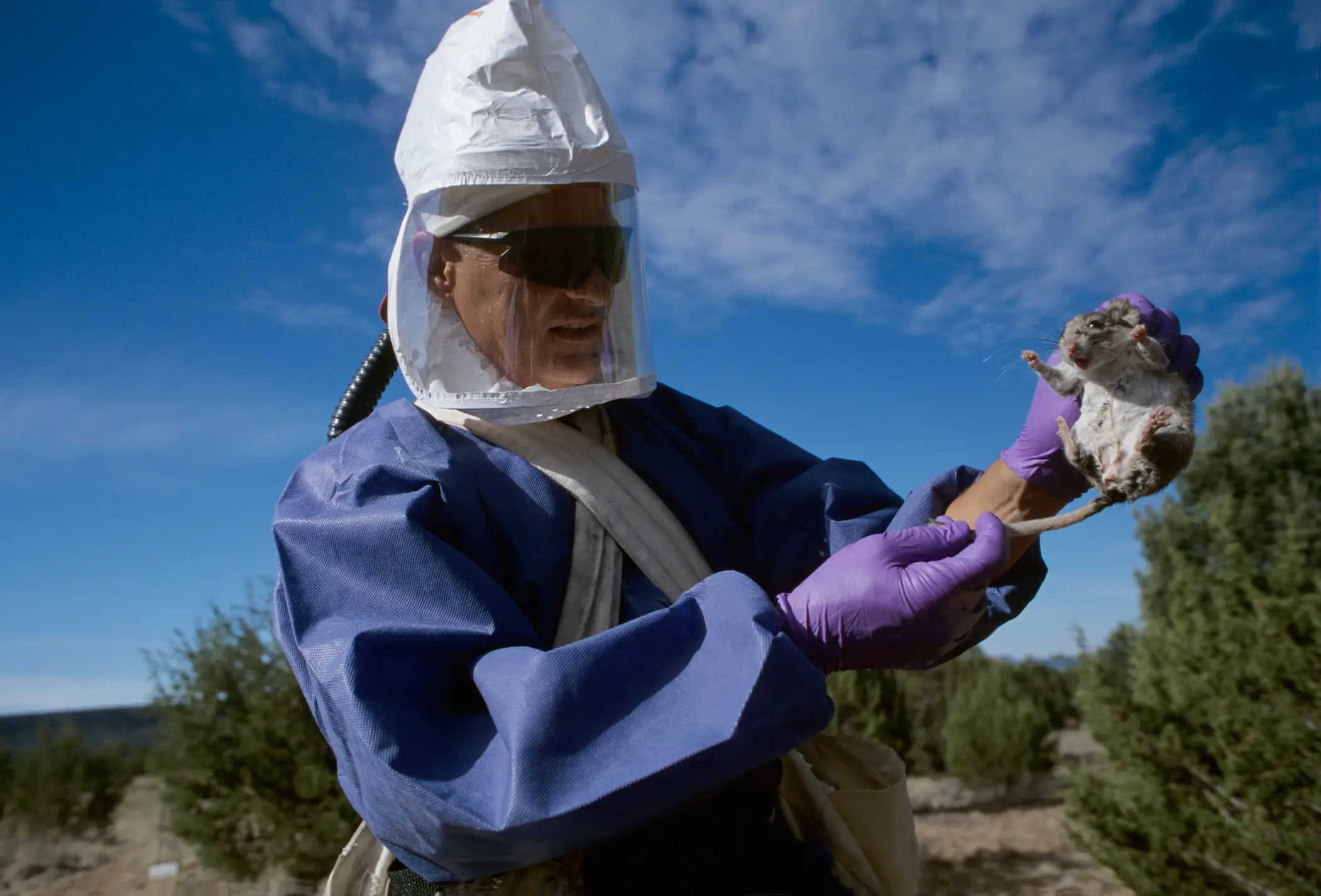 We're told to look our for medical misinformation that's spread on social media (Karen Kasmauski / Getty)
At the time of writing, Goncalves reiterates "there's no specific approved antiviral treatment or approved vaccine available for hantavirus infection." Treatment is supportive in terms of early hospital care and oxygen or ventilatory treatments for more serious cases. She loops back to COVID-19's spread of misinformation about herbal remedies or supplements, adding that "unsupported cure claims can spread rapidly and can delay people from seeking appropriate medical care."
She says that anyone who develops flu-like symptoms after potentially being exposed to rodents should seek medical advice and mention the exposure.
In terms of where to get updates, keep an eye on the World Health Organisation’s Disease Outbreak News page and keep up to date with the CDC’s case counts and prevention advice.
Saying that we need to keep a lookout for health information that's sent without a clear source, Goncalves concluded that "factual nuance is often lost when posts are shared quickly," stating that there's a big difference between "limited human-to-human transmission reported in close or prolonged contact" and "widespread airborne transmission."
Despite the WHO still listing the global risk of hantavirus as low, this crucial bit of context is often left out of social media posts.