
New study reveals insane impact one dose of magic mushrooms can have on the brain


A new study has revealed the shocking impact a single dose of magic mushrooms can have on the brain.
We already know a great deal about what long-term alcohol use does to the brain, while research is slowly uncovering what happens in the body after smoking cannabis for 30 days, not to mention MRI scans that show the insane difference between the brains of smokers vs non-smokers.
But the world of psychedelics remains pretty uncharted, yet the findings from it are among the most fascinating in neuroscience.
Scientists have long suspected that psychedelic compounds could hold therapeutic potential, with early research suggesting they may help treat a range of mental health conditions by encouraging more flexible thinking and helping people break free from destructive thought patterns.
Advert
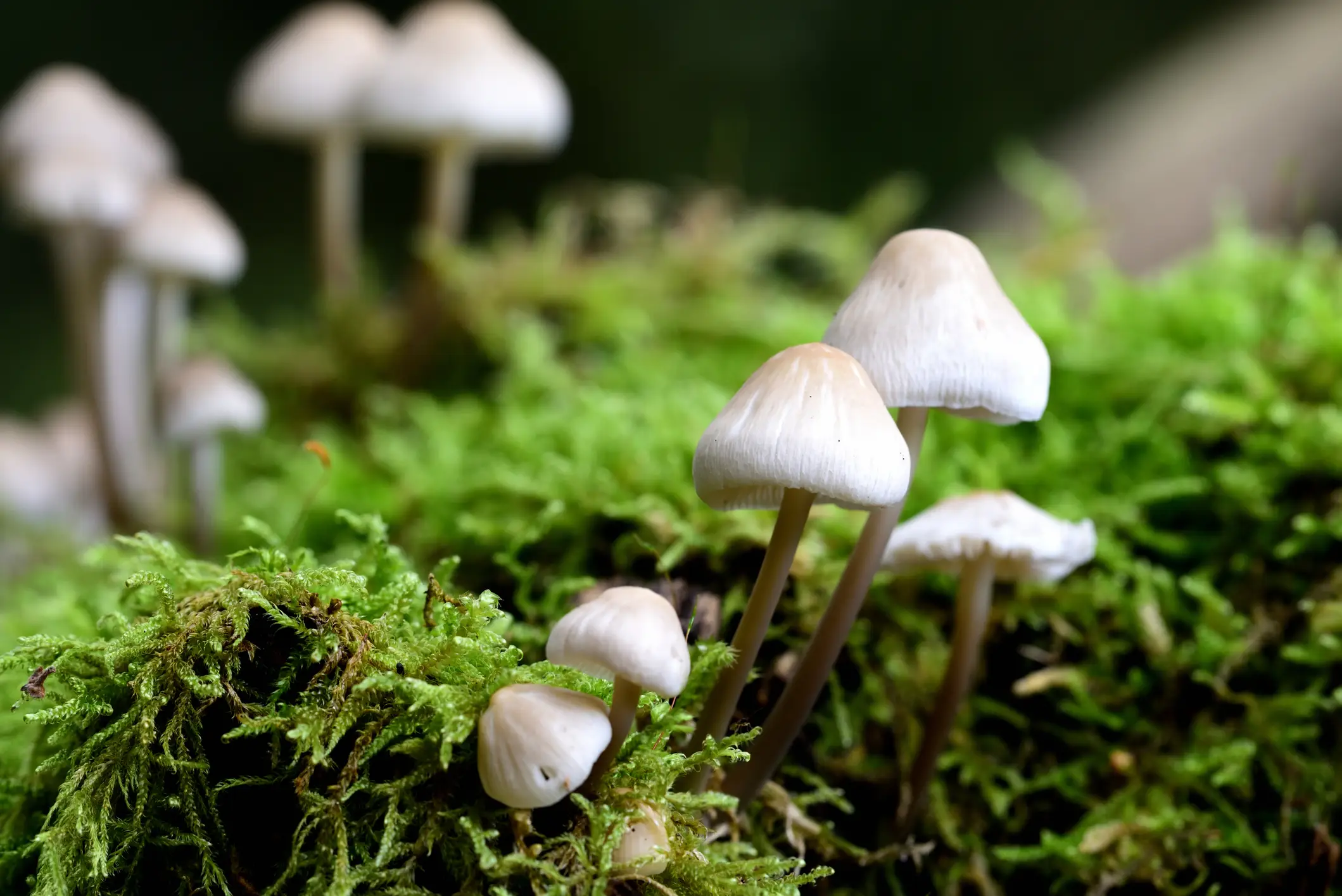
Now, a new study has revealed that a single dose of psilocybin (the active compound in magic mushrooms) can produce anatomical changes in the brain that are still visible a month later.
The study was led by Professor Robin Carhart-Harris and colleagues at Imperial College London and focused on the 'entropic brain effect.' This is the phenomenon in which neural activity becomes more varied and diverse under the influence of psychedelics.
28 healthy volunteers who had never previously taken a psychedelic were first given a 1mg dose of psilocybin, small enough to function as a placebo. The team then used electroencephalography (EEG) to measure their brain activity.
Over the following weeks, the participants completed a series of tests measuring their psychological well-being, depth of insight and flexibility of thinking, while MRI and DTI scans monitored their brains.
A month later, the same volunteers took a 25mg dose of psilocybin which is enough to produce a full psychedelic experience. The same battery of tests and brain monitoring was then repeated during and after the experience to capture what had changed.

Within an hour of the EEG readings, the brain entropy increased, indicating that the brain was processing a far greater diversity of information than usual. A month on, DTI scans showed a notable drop in the diffusion of water along nerve tracts running between the front and middle of the brain.
Moreover, the volunteers who experienced the largest spike in brain entropy during their psilocybin session were also the most likely to report greater psychological insight and improved wellbeing a month later.
“It’s remarkable to see potential anatomical brain changes one month after a single dose of any drug,” said Prof Robin Carhart-Harris, a neurologist at the University of California, San Francisco, and senior author on the study.
“We don’t yet know what these changes mean, but we do note that overall, people showed positive psychological changes in this study, including improved wellbeing and mental flexibility.”
The findings, published in Nature Communications, have drawn attention from researchers beyond the study team.
Professor Alex Kwan, a neuroscientist at Cornell University, noted that studies in mice had already demonstrated that psychedelics can rewire connections between nerve cells. However, this has not yet been confirmed in humans.
“This study comes closer than most to addressing that question, by giving evidence of lasting changes in brain structure after psychedelic use,” Prof Kwan said.