Scientists issue eerie warning following discovery of mutant killer superbug trapped in 5,000–year–old ice


Scientists have issued an warning following the discovery of a superbug trapped in 5,000–year–old ice.
While reports show that COVID-19 deaths still occur, health experts are already eyeing the next potential global threat, including concerns that the deadly Nipah virus could similarly bring the world to a standstill.
To make matters worse, if the ISS taught us anything, it's that mutant superbugs can evolve to survive in the most extreme environments.
Now, scientists warn that a potential pandemic threat may not originate from animals as we've seen before, but from something far more ancient.
Advert
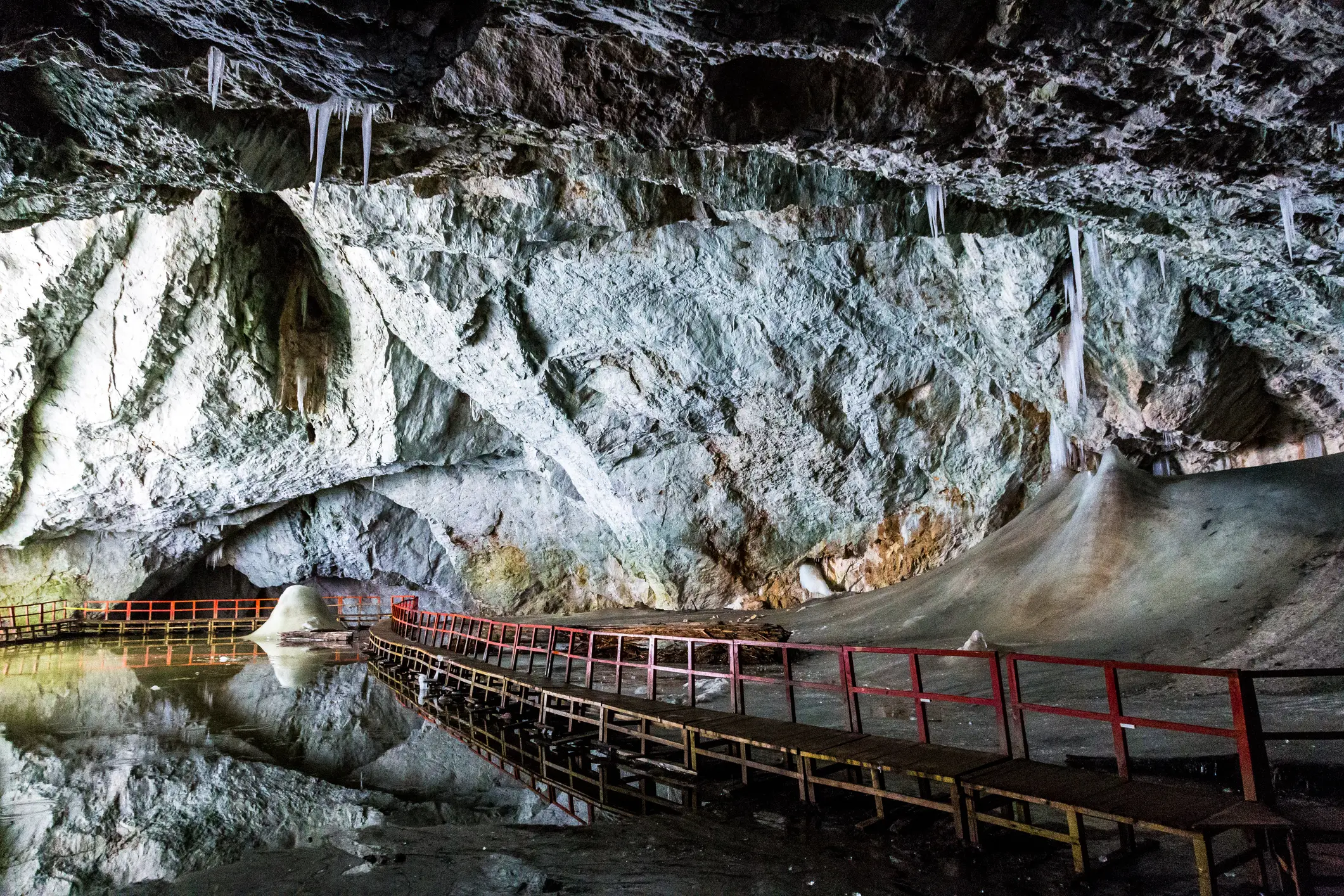
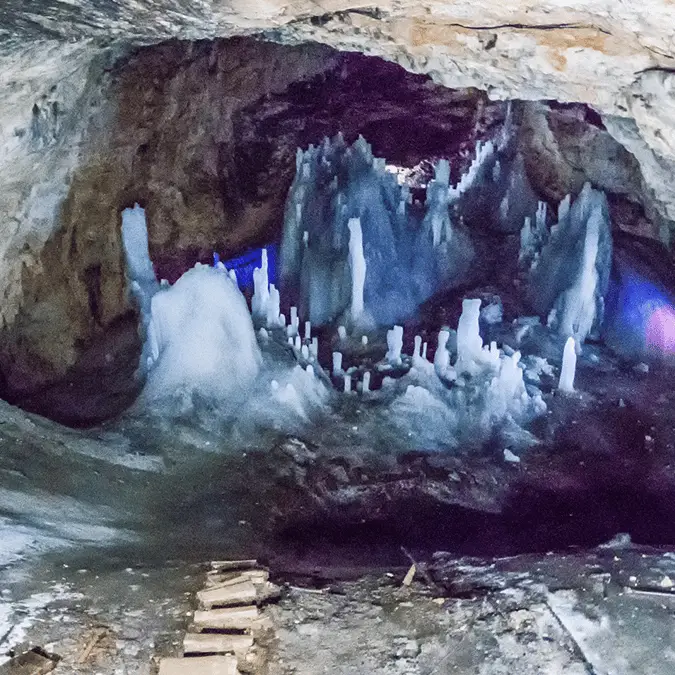
After drilling 25 metres into the core of Romania's Scarisoara ice cave, researchers from the Romanian Academy uncovered a frozen bacterial strain that has remained undisturbed for 5,000 years.
The team carefully extracted samples of the ice fragments, sealing them in sterile bags and keeping them frozen during transport back to their lab.
Testing it against 28 antibiotics from 10 classes, including those used to treat tuberculosis, colitis and UTIs, the results revealed a troubling answer. The findings showed that the strain had already developed resistance to 10 of these modern antibiotics, including trimethoprim, clindamycin, and metronidazole.
"The 10 antibiotics we found resistance to are widely used in oral and injectable therapies used to treat a range of serious bacterial infections in clinical practice," said study author Dr. Cristina Purcarea.
This means the mutant superbug, dubbed Psychrobacter SC65A.3, could be detrimental to human health if it ever escapes its icy prison. With climate change becoming a growing concern every year, the likelihood is increasing.
"If melting ice releases these microbes, these genes could spread to modern bacteria, adding to the global challenge of antibiotic resistance," Dr. Purcarea added. "The Psychrobacter SC65A.3 bacterial strain isolated from Scarisoara Ice Cave, despite its ancient origin, shows resistance to multiple modern antibiotics and carries over 100 resistance–related genes.
"But it can also inhibit the growth of several major antibiotic-resistant ‘superbugs’ and showed important enzymatic activities with important biotechnological potential.”
In the research, the team wanted to understand how bacteria had evolved to thrive in these cold environments.
To do so, they isolated multiple bacterial strains and sequenced their genome to identify the genes at play.
They discovered 11 genes capable of destroying or halting the growth of other bacteria, fungi, and viruses and a whopping 600 genes with unknown functions.
This suggests the superbug uses a 'yet untapped source for discovering novel biological mechanisms,' the researchers noted.
"These ancient bacteria are essential for science and medicine, but careful handling and safety measures in the lab are essential to mitigate the risk of uncontrolled spread," Dr. Purcarea concluded.
For now, even with advancing medical technology, we can only hope this superbug remains safely contained and that effective climate change solutions prevent it from ever breaking free.