
NASA drops unexpected revelation about life on Mars before Artemis 2 launch


Everyone's attention might have been on the historic launch of Artemis 2 this week, yet NASA's administrator has revealed a potentially illuminating detail regarding the potential for life on Mars that shouldn't be ignored.
It's been a long time – over half a century to be precise – since humans last returned to the Moon, and while there won't strictly be any boots on the ground this time around it's certainly drummed up plenty of excitement.
One young observer's now-viral comments summed up people's excitement towards the launch of Artemis 2, as this trip around the Moon will serve as the longest space journey in human history by distance.
It's not the only project within NASA's peripheral vision though, as while a sudden u-turn in funding saw President Donald Trump favor the Artemis project over Mars for the time being, there's still plenty of interest in the big red planet.
Advert
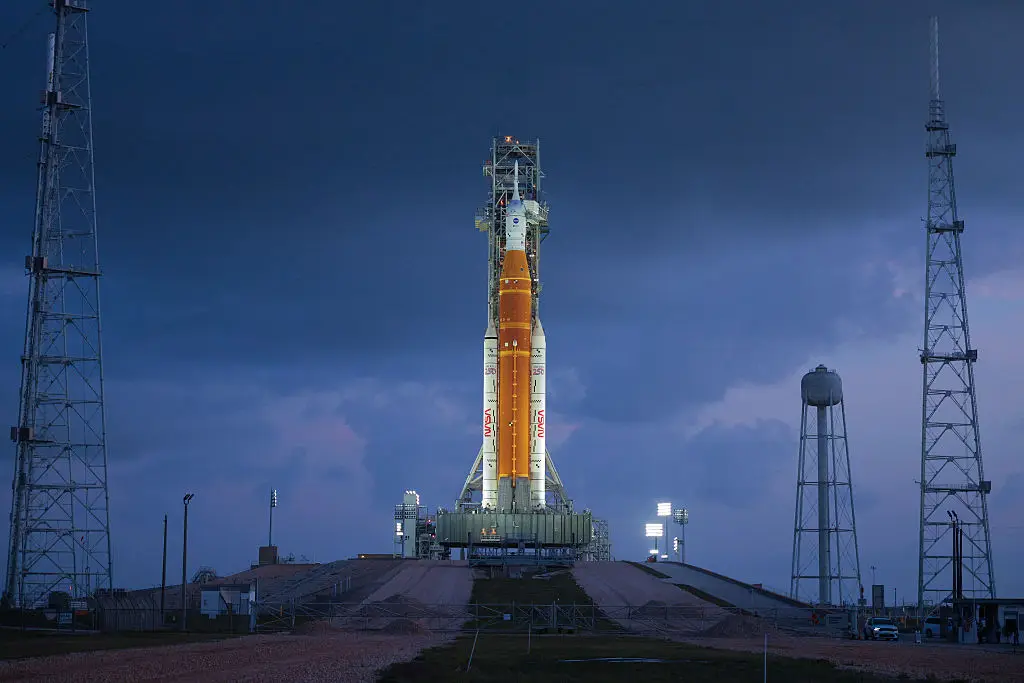
As reported by the Daily Mail, NASA administrator Jared Isaacman recently spoke to political commentator Benny Johnson about the space agency's latest activities, and one particular comment has drawn significant attention among those interested in alien life.
Isaacman declared that "if we can get to Mars and bring samples back, I put it at a better [than] 90 per cent chance that we could prove there was some microbial life on Mars.
"I would say there could be life everywhere," the administrator added. "It doesn't mean it looks like us. It doesn't mean it has the tentacles you have in movies."
Most of what scientists would refer to as 'life' on another planet is little more than bacteria or microorganisms that are largely invisible to the naked eye, but so far there has been only suggestions of that even existing have been discovered due to the inability to closely analyze samples.
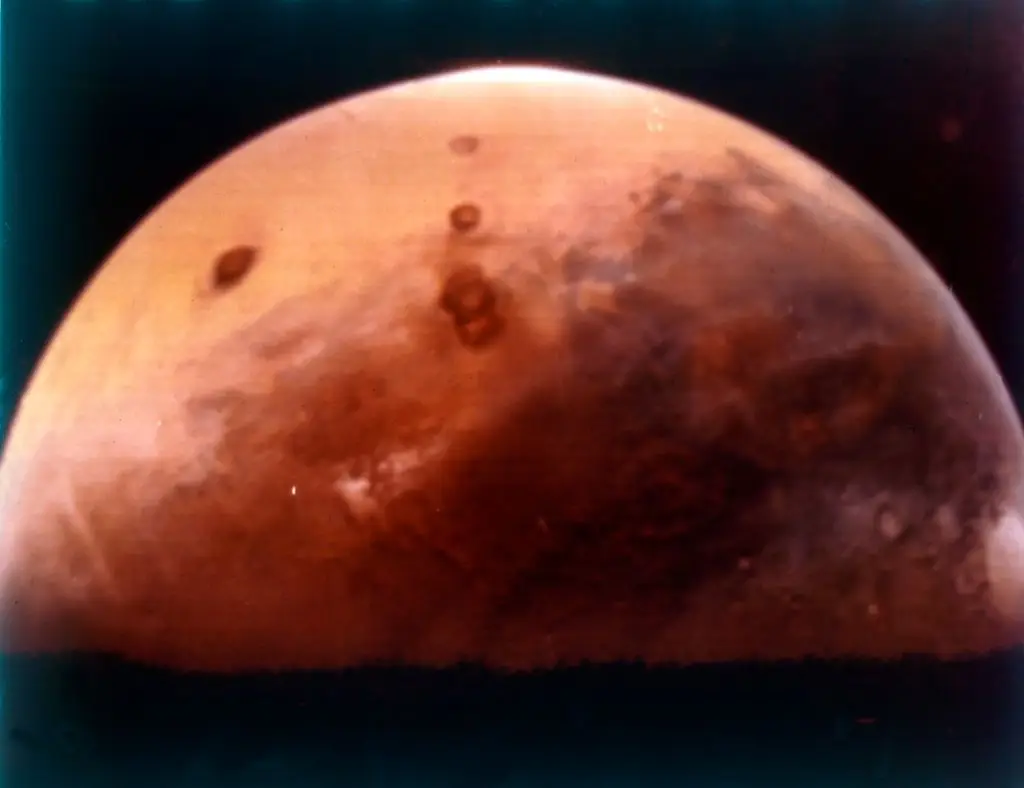
However, human ventures to Mars could dramatically change this by affording new methods of analysis, yet Isaacman's 'if' is a rather big one as that prospect still seems rather distant.
Based on currently available technology it would take around six months for a NASA spacecraft to reach Mars, meaning that a round trip would be at least a year with no complications along the way, giving little time for actual exploration on the planet itself.
We already know how challenging it can be for the health of a human body to spend that long in zero or microgravity environments, and you also run into issues of fuel and food availability for such a long trip.
NASA is currently running lengthy test periods that prepare its existing astronauts for a trip to Mars, and you could argue that achieving a journey to the Moon would potentially pave the way for longer trips in the near future.
It's still a challenge that doesn't seem practical right now, however, so we might need to wait a little while longer before we can get the answers to Isaacman's hypothesis — no matter how certain the result itself might be.