
Insane NASA mission will drop rocket out of plane to stop massive telescope dropping to Earth


An insane NASA mission will drop a rocket out of a plane in order to stop a massive telescope from dropping to Earth.
One of its important space telescopes is slowly falling back to Earth and will crash by the end of 2026, according to Space.com. However, the US space agency has approved an incredibly ambitious rescue plan that sounds like something from a Christopher Nolan movie.
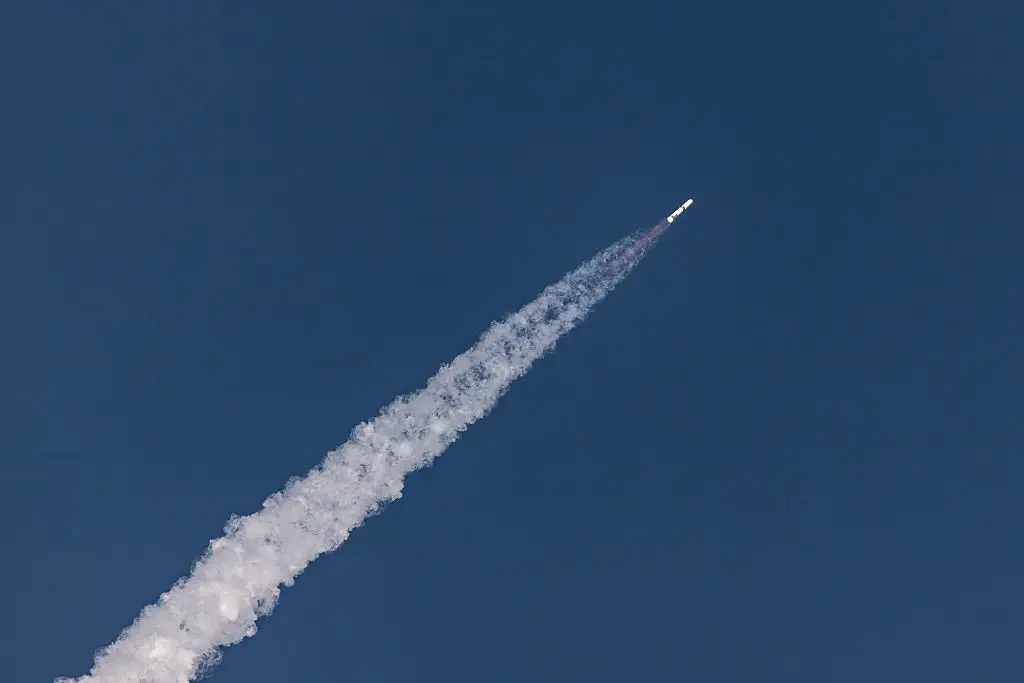
A private Arizona company, Katalyst Space Technologies, has been hired by NASA to carry out the rescue mission. Katalyst will use a converted passenger aircraft, the L-1011 Stargazer, owned by Northrop Grumman, to carry a Pegasus XL rocket to 39,000 feet.
Advert
Once the plane reaches that altitude, it will release the rocket while still in flight. The rocket will then fire its engines, shoot into space, and release the Katalyst robotic spacecraft near the Swift telescope. The robot will meet up with the telescope, carefully grab it, and boost it back into a higher orbit where it can safely continue working for another 10 years or more.
The company announced the mission details, stating that they need to launch as early as June 2026. This would be the first time a private commercial spacecraft has rescued an unmanned government satellite, Space.com revealed. What makes this even more unnerving is that similar missions usually take about two years to plan and execute, rather than a few months.
“We are treating this launch date as a firm commitment,” said Katalyst vice president of technology Kieran Wilson. “We’ll kind of continuously evaluate where Swift stands in its orbital decay and figure out what sort of adaptations we might need to pursue, whether it’s launching to a different altitude, whether it’s targeting slightly different insertions.”
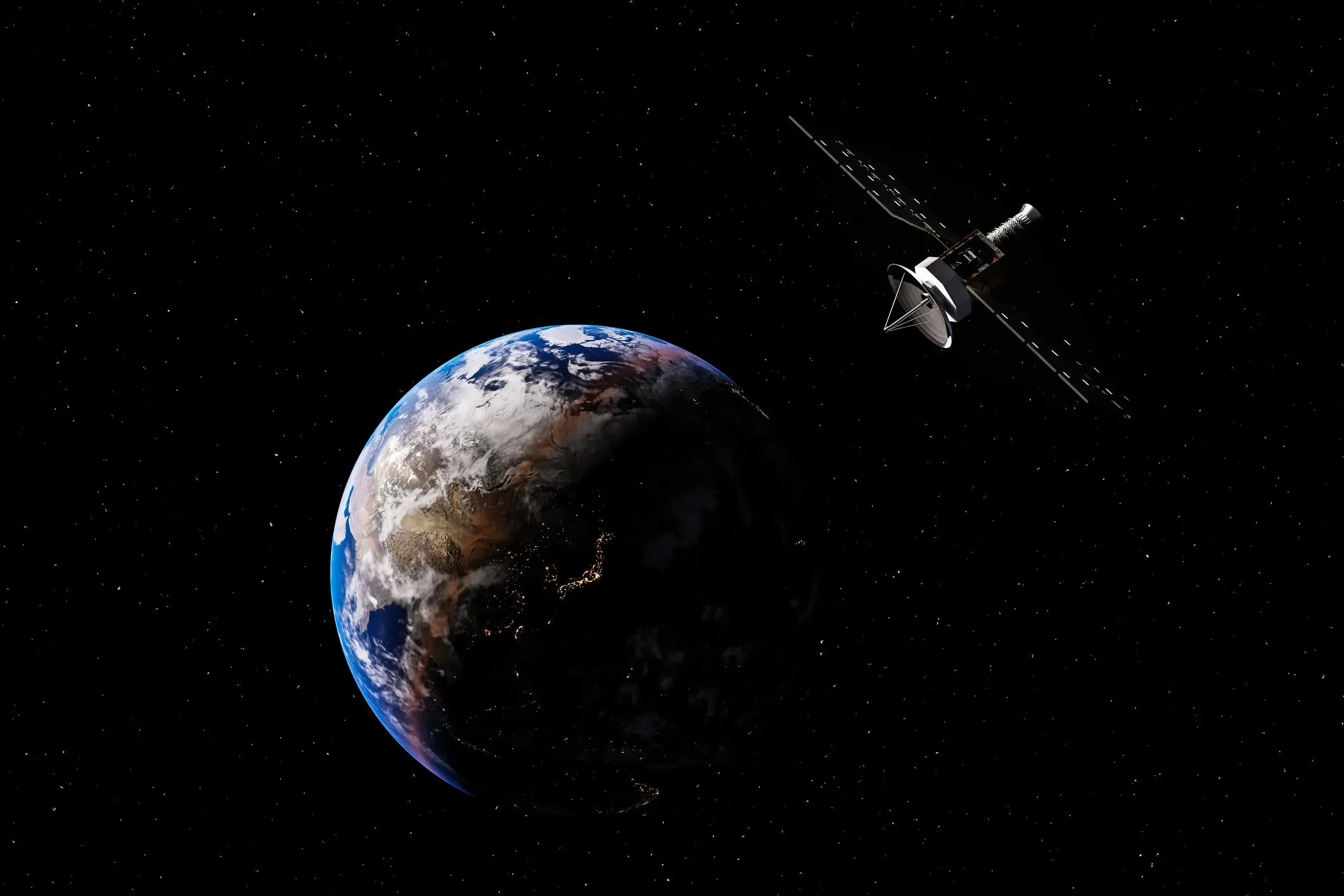
NASA launched the Neil Gehrels Swift Observatory into low Earth orbit in November 2004 to study gamma-ray bursts - massive explosions in space.
These marvellous events can create new black holes and shoot out jets of particles, providing scientists with valuable information about the universe.
The problem with Swift is that it was never equipped with its own propulsion system to adjust its orbit.
Over the years, Earth's atmosphere has been dragging it down from its original height of 373 miles to about 249 miles, Katalyst noted.
“Swift’s orbital decay demands an urgent mission, launching before atmospheric drag makes recovery impossible,” Katalyst said in a statement.
The Katalyst spacecraft has three mechanical arms that will carefully catch the Swift telescope, without damaging the observatory or itself. Once secured, it will push Swift back up to its proper altitude of 373 miles.