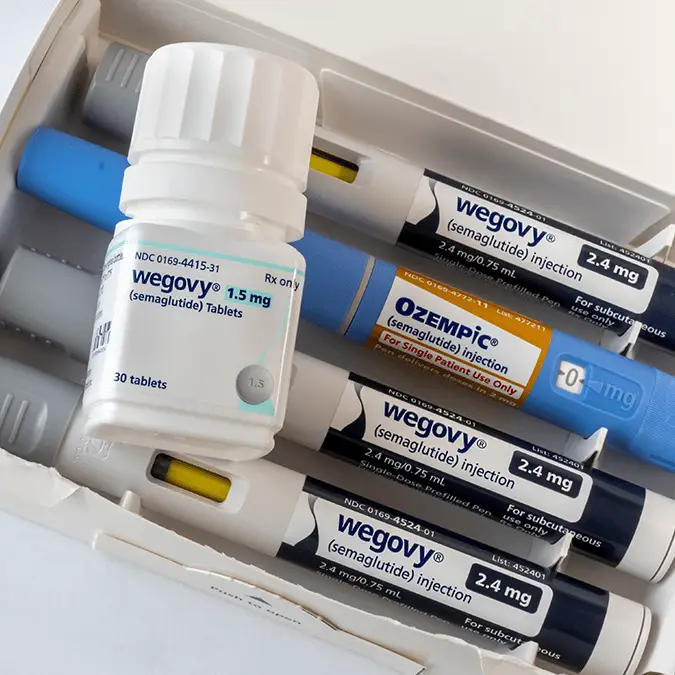
Healthcare expert issues warning over weight loss pills as they hit 3M prescriptions


After GLP-1 injections have revolutionized the weight loss industry in recent years, it seems diet culture could be changing once again with the introduction of weight loss pills.
Up until now, the likes of Ozempic and Mounjaro have been administered through weekly injections but new tablets could become a more convenient way for people to take the medication.
GLP-1 drugs were initially prescribed as insulin treatment before it was found to have a weight loss side effect.
A pill version of GLP-1 medication has just been approved
Since then, it has taken the weight loss industry by storm and now, a once-a-day pill version of the medication by Novo Nordisk’s Wegovy has been approved in the UK.
The pill form of the drug launched in the US back in January and has now surpassed three million prescriptions.
Advert
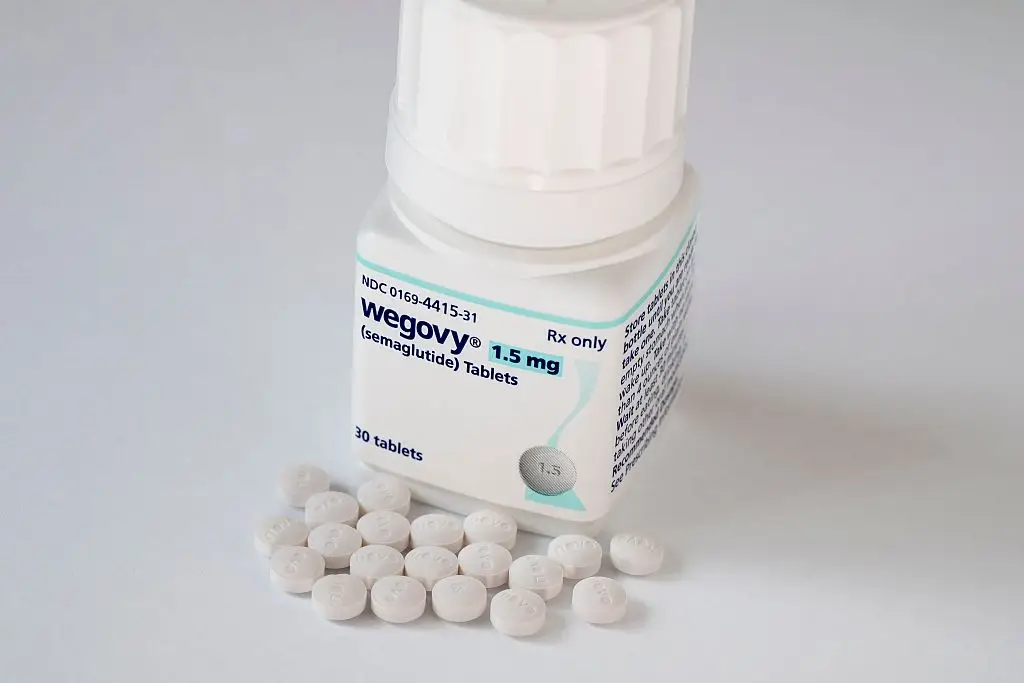
This is set to make the medication more accessible than ever before. According to research commissioned by GLP-1 provider Numan, a whopping 53% of people considering weight loss medication say they would take a pill compared to 24% who would consider an injection.
Meanwhile, nearly one in five people interested in weight loss medication say needle aversion is a primary barrier to treatment.
However, one healthcare expert warns that the drug isn’t a ‘silver bullet’ for combating obesity.
Danielle Brightman, who is a qualified Pharmacist and Clinical Director at Numan, explained: “The pill is progress and it is right to welcome this breakthrough moment. But we know that the answer to long term weight loss - with all the health benefits that brings - is about perseverance. Medication is the start, but it is support and help to change your lifestyle that makes it last.
“Oral GLP-1s will bring more people into treatment and give patients greater choice, but they are not silver bullets. Medication must be paired with high-quality clinical care to support patients through the behaviours, habits and underlying drivers of weight gain.”
Could the GLP-1 pill tackle weight loss industry stigma?
While the pills will make treatment more accessible, this isn’t the only benefit, according to another expert.

Dr Earim Chaudry, who is the chief medical officer at Voy, believes this could also break down the stigma surrounding obesity treatment.
Dr Chaudry explained: “While treatment options evolve, the stigma surrounding obesity remains. For too long, perceptions around obesity treatment have been shaped by misconceptions and judgment rather than medical evidence.
“The pill may reduce some of the visible markers of treatment, but the deeper work of changing how society thinks about obesity cannot be done by format alone. That requires a shift in how we talk about this condition at every level.”