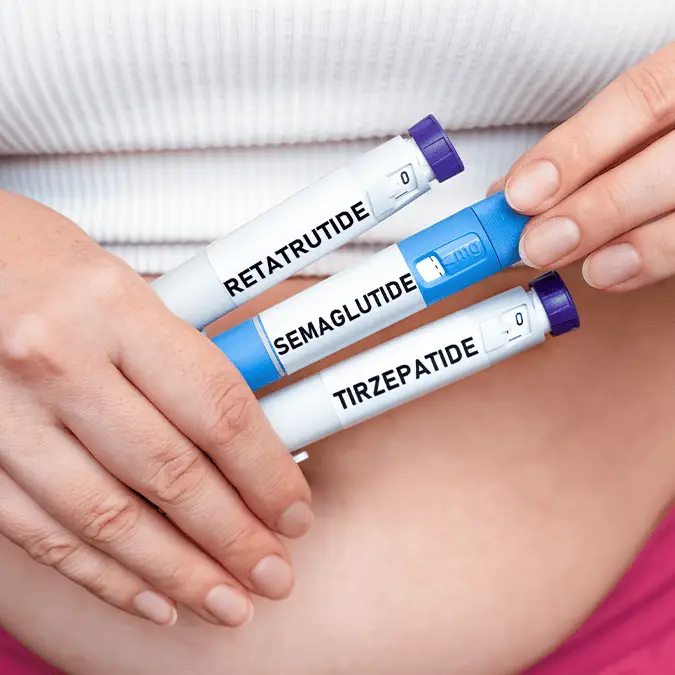
Retatrutide searches boom online as patients demand 'miracle' Ozempic alternative


While you're perfect just the way you are, that won't stop many looking for ways to trim down for summer, their big day, or get a head start on trying to avoid those extra pounds at Christmas.
It's no longer a case of just pounding the pavement or hitting the gym to shift those unwanted inches, and as we're repeatedly told, abs are made in the kitchen.
With this, there's been a boom in the likes of Ozempic, Mounjaro, and Wegovy, as these so-called skinny jabs remain all the rage.
Everyone from Rebel Wilson to Shaquille O'Neal, Lizzo to Elon Musk has opened up about using these as part of their weight loss journey, and thanks to a little intervention from President Donald Trump, prices have come down to make them more accessible to the general public.
Advert
The science and health communities largely fall into two camps, with some health experts warning about the risks and even potential danger or death, while others claim these GLP-1s could treat far more than just obesity.
As more versions appear on the market, and they evolve into new pill forms that are easier to take, we also hear about the likes of 'Wegovy HD' that are more effective than ever.
What is Retatrutide?

We recently covered the 'Godzilla' of weight loss jabs, with Retatrutide being all the rage. Developed by Eli Lilly, this one-weekly injection is described as the first 'triple agonist', meaning it targets three specific hormones, whereas Wegovy only tackles one and Mounjaro tackles two.
This means Retatrutide hits GLP-1 (glucagon-like peptide-1) to suppress your appetite and slow digestion, GIP (glucose-dependent insulinotropic polypeptide) to optimize insulin secretion and aid in fat metabolism, and glucagon to increase your body's calorie burning.
During trials, Retatrutide patients on the highest dose lost a historic 24% of their body weight in 48 weeks. During ongoing Phase 3 trials, it's said some are losing even more.
In the first phases of the trials, Eli Lilly reported dose-dependent weight loss and a reduction in Glycated Hemoglobin (HbA1c) levels. If that wasn't enough, Retatrutide was linked to an improvement in liver steatosis and diabetic kidney disease.
All the buzz about this supposed 'miracle' jab isn't confined to the medical community, with searches for Retatrutide apparently booming online.
Retatrutide searches soar
According to research from Feel30, Google searches for "Retatrutide" have ballooned by 1,224% and peaked at 3.4 million in the past month alone. This highlights growing public interest in Triple-G jabs, with platforms like TikTok and Instagram spreading the message through influencers and health experts with massive followings.
Anneliese Cadena, AGNP-C and Clinical Advisor at Feel30, warns that public interest is in danger of outpacing actual knowledge, with a reminder that Retatrutide is yet to be approved by the FDA. Stating that Retatrutide is one of the most talked-about weight loss medications that isn't approved, Cadena added: "When people repeatedly see dramatic transformations, glowing testimonials and viral videos, it's understandable that they want to learn more. The problem is that social media doesn't always provide the full picture."
Importantly, this boom in Google searches proves how quickly health trends can be spread online. "Weight loss medications are no longer being discussed solely in medical settings," said Cadena, "They're now being discussed in podcasts, social media videos, online forums and group chats. That means awareness is growing rapidly, but so is the potential for confusion."
A warning about Retatrutide
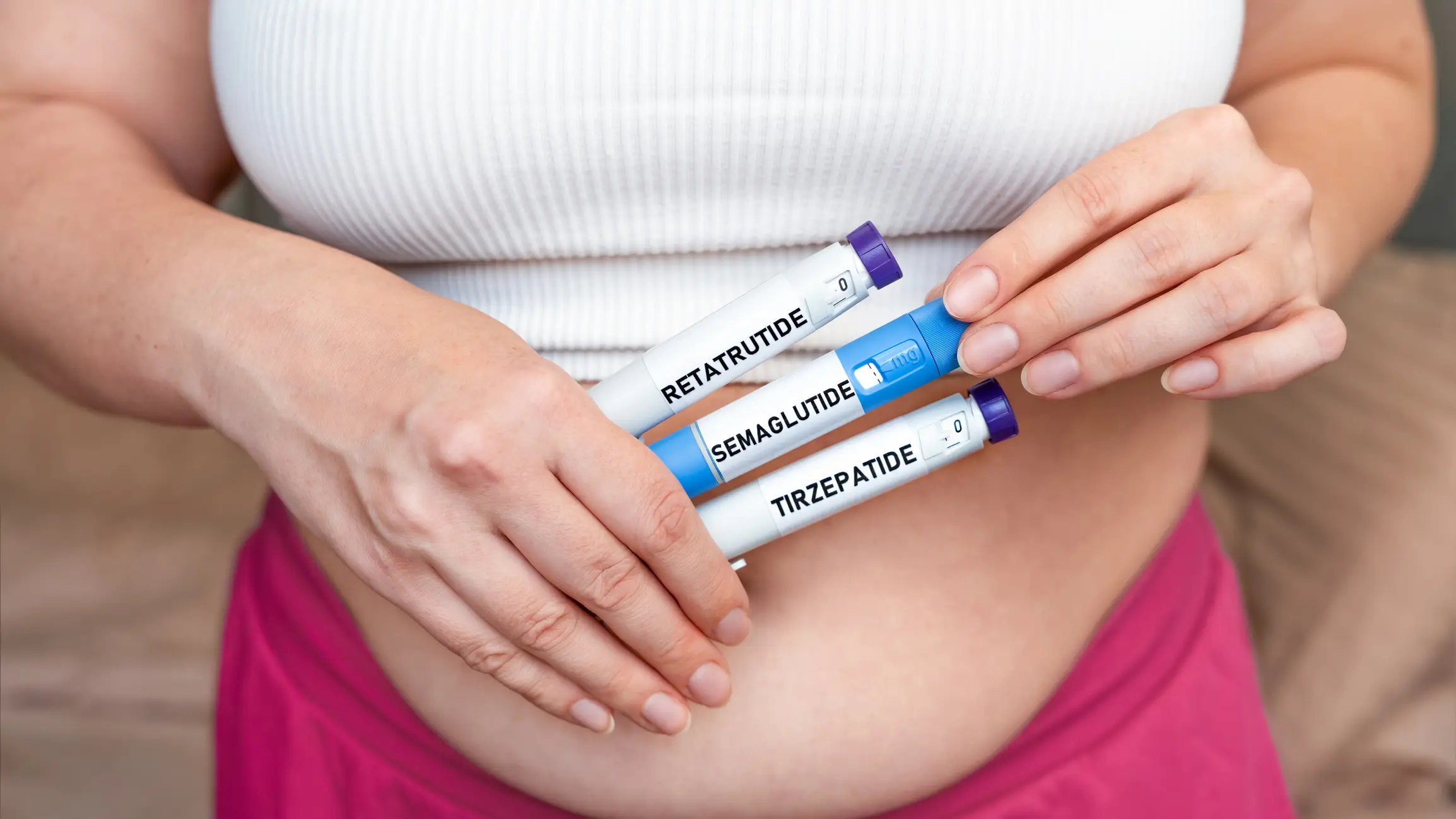
Being duped into thinking Retatrutide is already out and can get you into that bikini you've been admiring in the back of your wardrobe isn't the only issue. We're told to watch out for those who are destined to try and cash in on the hype, or bad actors that might try to sell Retatrutide online. Anyone claiming to sell you Retatrutide should be approached with extreme caution, while Cadena said we should also remain aware of anyone selling these medications online: "There is no reliable way to verify what is actually contained within an unregulated injectable product, whether it has been manufactured safely or whether the dosage is accurate."
"People should be particularly wary of products being promoted through social media, messaging apps or websites that operate outside legitimate healthcare channels."
With social media moving faster than science, we're told to make healthcare decisions that are "guided by evidence, safety, and conversations with qualified healthcare professionals, not online trends."