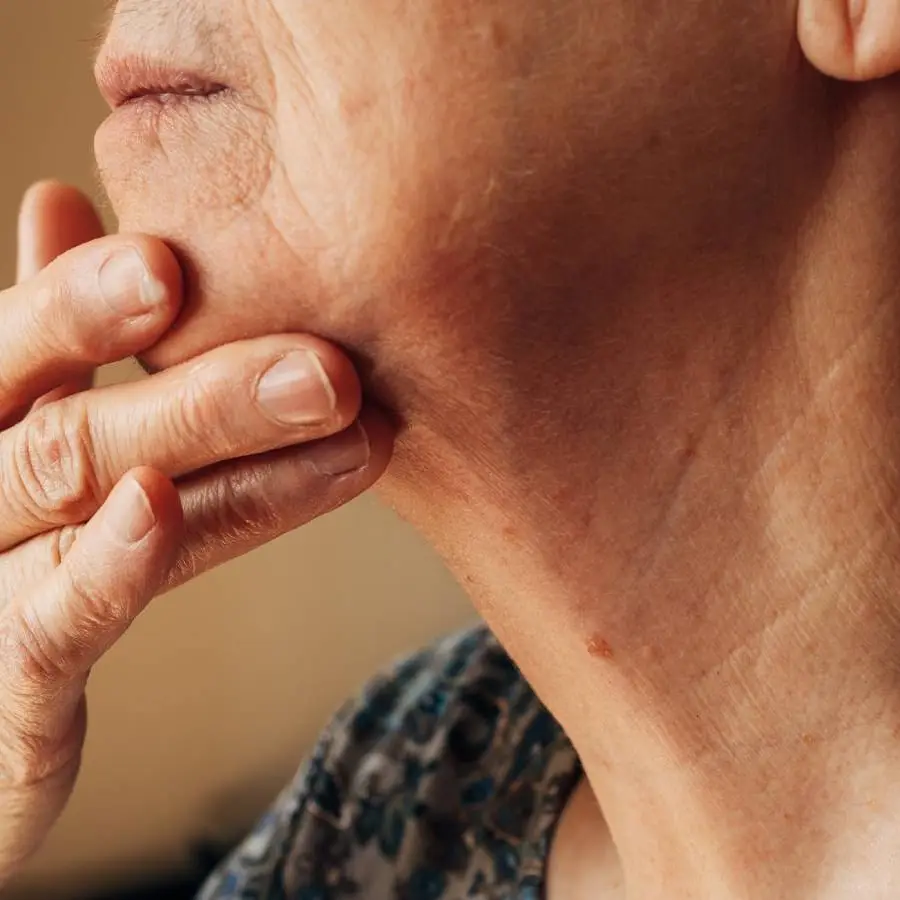
Rising ‘Ozempic face’ side effect fuels cosmetic treatment boom as quick fix


There appears to be no end in sight for the so-called skinny jabs, and although we've more recently seen a new pill form of Ozempic land on the market, the results and potential side effects are said to be much the same.
The likes of Ozempic, Mounjaro, and Wegovy continue to rule supreme, while Retatrutide is already causing a buzz with the nickname of 'Triple G'. Still, there's no escaping reported side effects that range from cosmetic ones like hair loss and 'Ozempic breath' to death being linked to GLP-1s and liver failure from reported knock-off versions.
There's less of a stigma attached to GLP-1s than there used to be, with celebrities like Elon Musk, Serena Williams, Shaquille O'Neal, and Rebel Wilson being among the galaxy of stars who've admitted to using them.
What is Ozempic face?
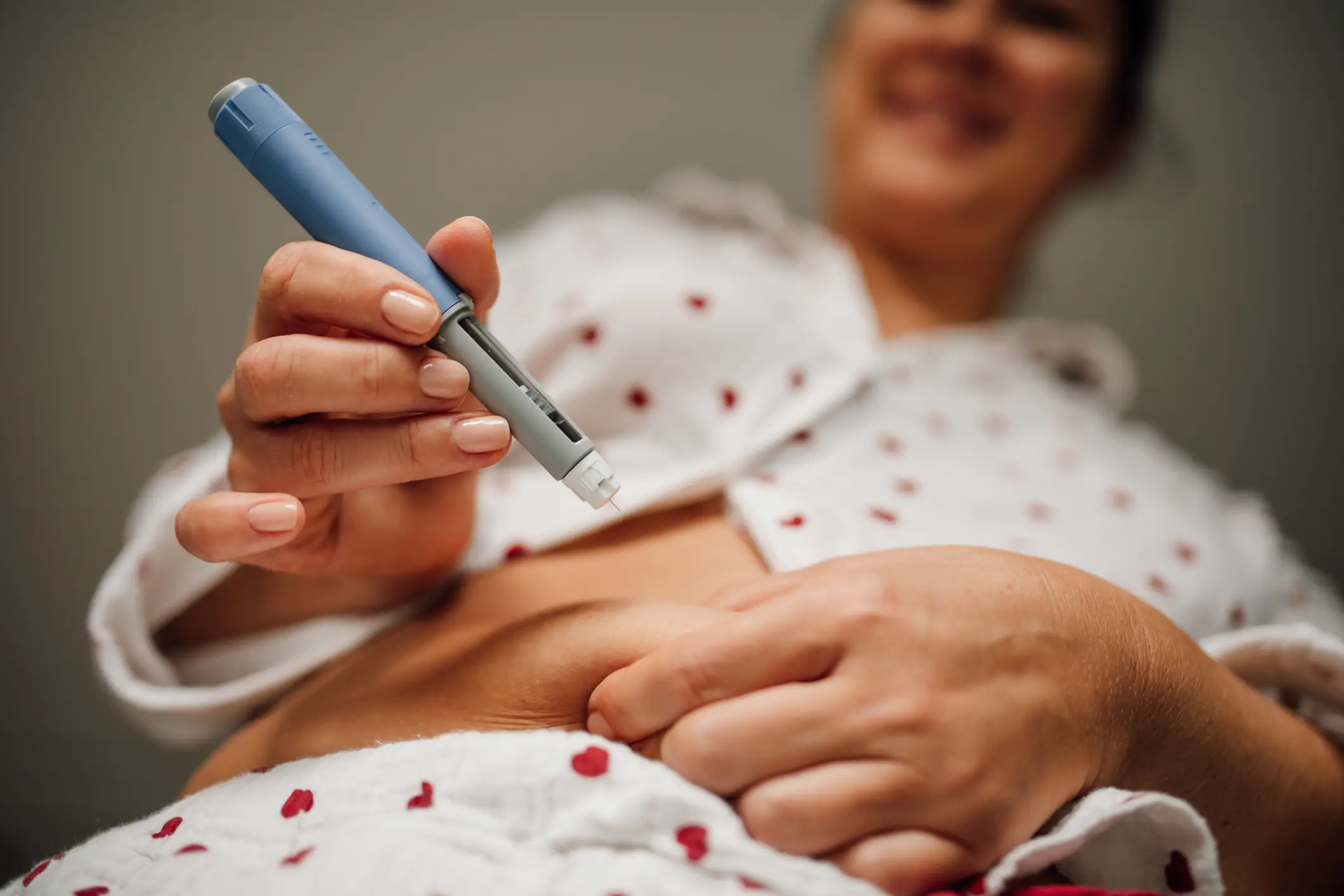
We previously covered concerns about 'GLP-1/Ozempic face', which is where excessive fat loss can leave skin looser and patients having a more haggard or sunken look.
Advert
In particular, Ozempic face is characterized by a loss of subcutaneous fat, where the deep facial fat pads that provide structural support tend to shrink, and our faces lose volume.
As our faces have these small fat compartments and thin skin, they're one of the first places we tend to notice fat loss.
Sagging skin can become more noticeable as fast weight loss leads to it losing its elasticity, while hollowness from sunken cheeks, hollow temples, and deep shadows around the eyes are another sign of Ozempic face.
Finally, fine lines in the folds around the nose and mouth tend to be accompanied by loose jowls along the jawline.
You can combat Ozempic face by losing weight more slowly, adjusting your dosage, and improving hydration and nutrition to aid general skin health. Others are turning to cosmetic alternatives.
Speaking to CNBC, Galderma CEO Flemming Ørnskov said that people seeking treatment for Ozempic face have seen demand for cosmetic procedures soar.
According to the aesthetics company head, the popularity of GLP-1s, especially in the USA, is boosting "the very strong growth that we’re seeing in our aesthetics portfolio."
He added: "It’s a significant opportunity for us, but it’s still early days."
Ozempic face is apparently on the rise in the USA
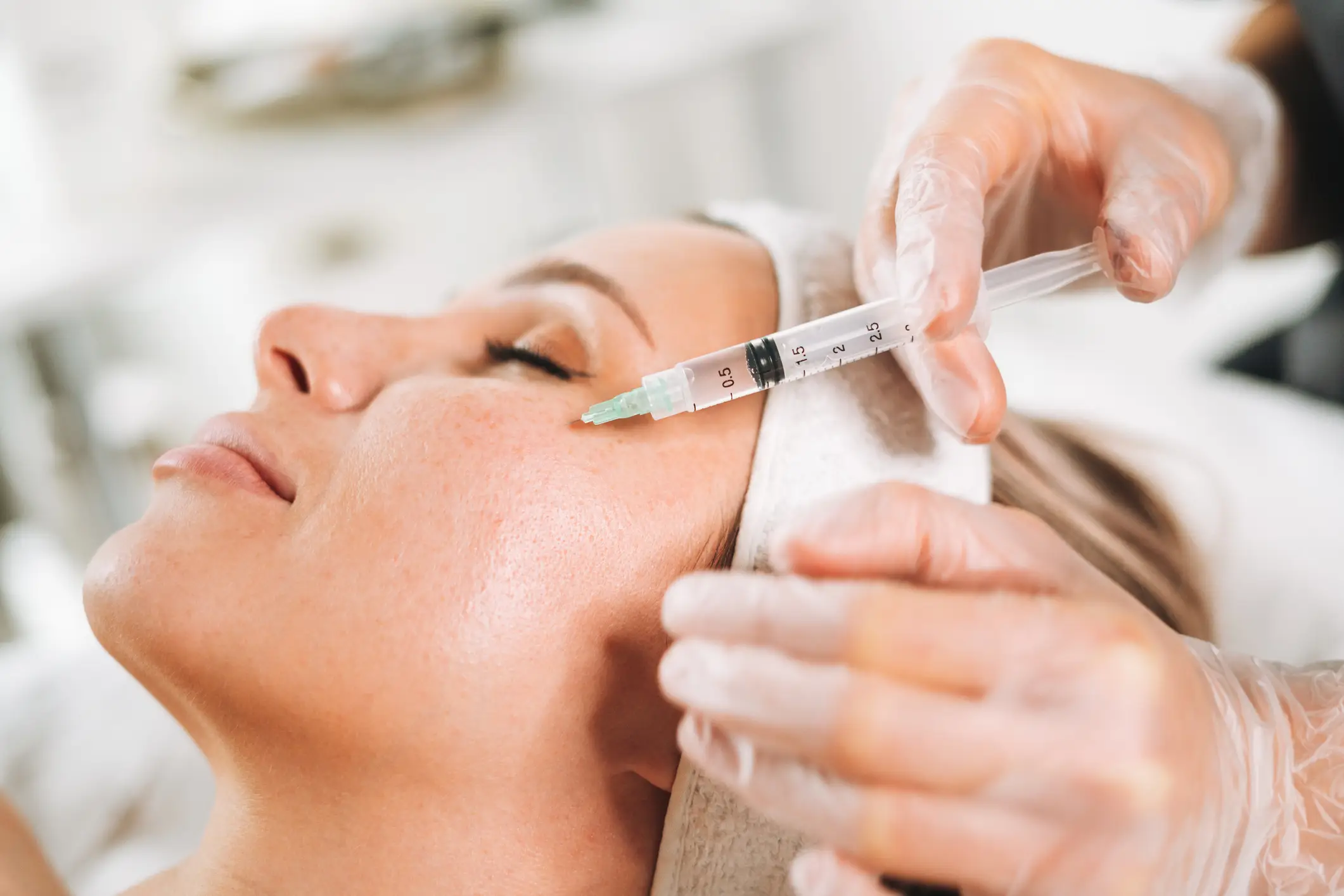
Even though GLP-1 users might be concerned with their new faces, Ørnskov is more than happy to try and fix it for you: "We were actually the first one to show that if you take two of our products [filler and Sculptra]...you can mitigate some of the facial sagging that you see if you have significant weight loss."
His comments come amid reports that one in every 10 U.S. adults is now taking weight loss drugs, which has seen Galderma celebrate 25% sales growth at constant currencies year-on-year on its Botox, facial fillers, and collagen stimulators.
This 'Botox boom' means Galderma’s growth in the USA has outpaced other territories at 32% when compared to 19% in the rest of the world.
Despite all of this, some clinical observations claim that the rapid metabolic changes caused by GLP-1s might cause cosmetic injectables to wear off quicker than patients who aren't taking weight loss drugs.
Botox alone often isn't seen as enough to combat Ozempic face, with dermatologists and plastic surgeons combining it with volume-building or skin-tightening procedures. With this, it sounds like it could be a costly endeavour to try and combat.
Previously speaking to LADbible Group, Ozempic manufacturer Novo Nordisk said: "At Novo Nordisk we care deeply about patient safety. Like all medicines, treatments used for chronic conditions can have side effects, and these can vary from person to person. That is why medicines are prescribed by healthcare professionals, who consider the potential benefits and risks for each individual.
"In the UK we work closely with the Government medicines regulator, the MHRA, to share details of the safety reports we receive and to ensure that side effects are accurately reflected in the approved information for our medicines. When considering the totality of evidence from our clinical trials, post marketing reports and observational studies, we believe the benefit–risk profile of semaglutide remains favourable when used as indicated.
"Anyone with concerns about side effects, or about whether a medicine is right for them, should speak to their doctor, nurse or pharmacist, who can provide personalised medical advice and support. We would also encourage anyone who believes they are experiencing side effects to report them to their healthcare professional and via the MHRA Yellow Card Scheme."