
Missing this many minutes of sleep a night could lead to weight gain within weeks


It seems we just can't catch a break these days.
We all know lack of sleep can leave us feeling sluggish and foggy brained, but one recent study has uncovered another unpleasant side effect that might make you think twice about doom-scrolling until 2am when you’ve got to be up for work in five hours.
And unfortunately, this time it’s not something a coffee can fix.
According to researchers at Columbia University, published in the Annals of Internal Medicine, as little as an hour and a half reduction in sleep every night for six weeks can lead to noticeable changes in the body, and you could silently be gaining pounds without even realising.
Advert

The findings, published on July 7, 2026, showed that those who lost an average of 78 minutes of sleep per night gained almost 1lb over the six week period.
"Our study shows that getting adequate sleep may help reduce the risk of weight gain and obesity-related conditions like heart disease and diabetes," says Marie-Pierre St-Onge, a professor of nutritional medicine in Columbia's Department of Medicine and Institute for Human Nutrition and study leader.
"People tend to gain weight over the course of their adulthood, and obesity is a major risk factor for heart disease. But focusing on eating a healthier diet and getting more physical activity to offset weight gain is simplistic and can be difficult to maintain."

If that sounds like a sleep habit you’re guilty of, let’s break down the study.
How could lack of sleep impact my body?
The researchers used data from 95 adults aged 20 and older, combined from two clinical trials. All the participants had a higher risk of heart and metabolic issues and usually slept at least seven hours per night before the study started.
The participants then went through two different sleep conditions over the six week period. One called adequate sleep, and another known as sleep restriction.
In adequate sleep, participants kept up with their usual sleep schedule of seven or more hours per night, whereas when in sleep restriction, they consistently delayed their bedtime by 90 minutes.
Their sleep was meticulously tracked by devices that tracked movement and sleep duration, as well as sleep diaries and schedules maintained by participants.
Before and after the trial, researches took detailed measurements of everyone involved, as well as blood samples to measure hormones related to hunger and energy balance.
When examining the data, it was uncovered that participants that slept around 78 minutes less per night gained weight of 1lb, compared to gaining nothing when they had adequate sleep.
While the one-pound weight gain observed with modest sleep curtailment is not overwhelming, it is important to remember this is occurring over just six weeks," says Faris Zuraikat, assistant professor of nutritional medicine in Columbia's Department of Medicine and Institute for Human Nutrition and first author of the study.
"Our study was designed to mimic sleep patterns that most adults experience chronically. When extrapolated to a full year, we would expect that losing less than an hour and a half of sleep per night could result in clinically meaningful weight gain."
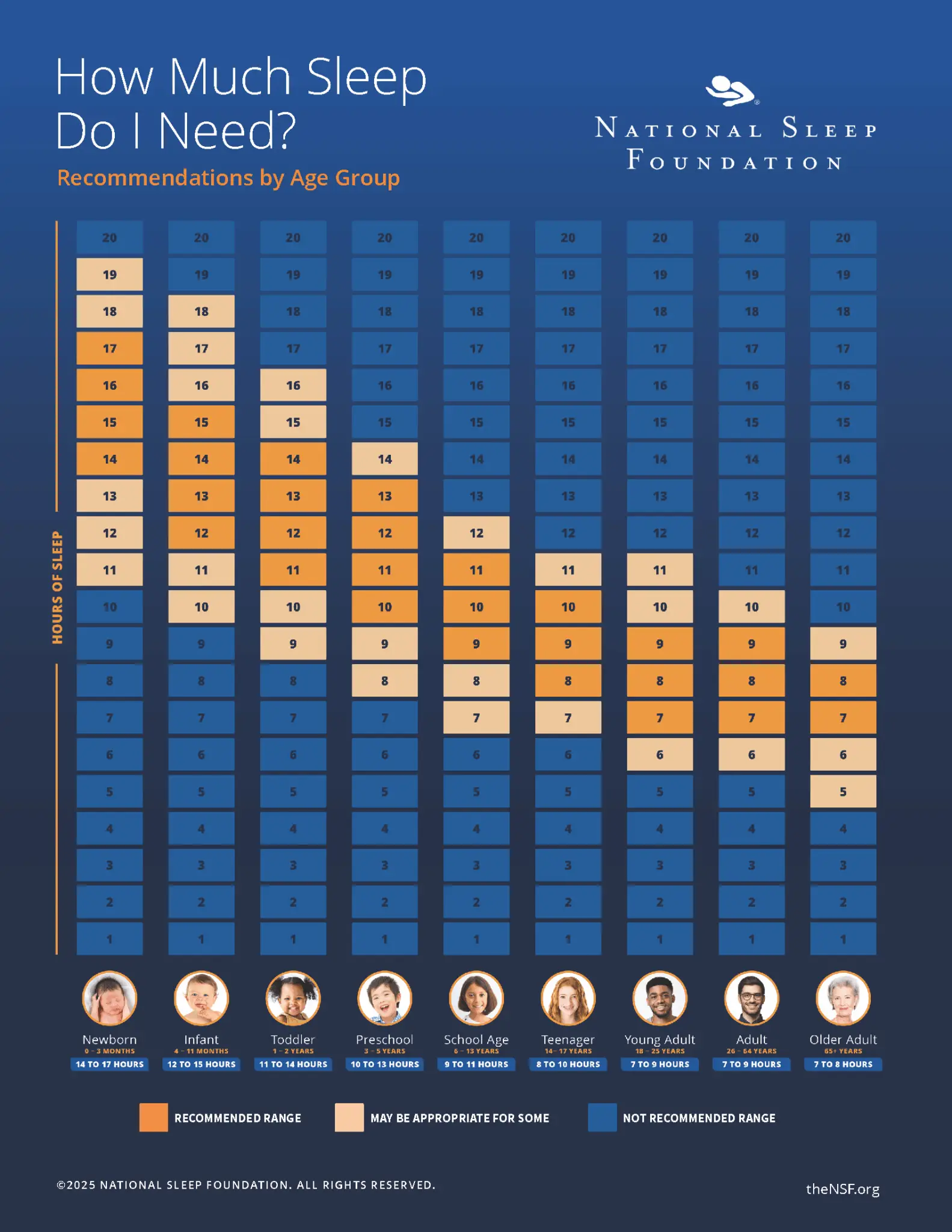
How much sleep should the average person be getting per night?
According to the National Sleep Foundation, adults between the ages of 18 and 64 “should aim for seven to nine hours of nightly sleep. If you’re older than 65, you may need a little less: seven to eight hours is recommended.”