Science behind why eating starchy foods late at night can disrupt GLP-1 meds


Life is already miserable enough, but what, now you're telling us we can't enjoy a midnight club sandwich?
There's a reason that GLP-1 prescriptions now account for 7% of all prescriptions in the USA, with around 12% of American adults admitting to trying them at some point.
The problem is, GLP-1s were created as a treatment for Type 2 diabetes, with their use as a weight loss aid being an unexpected side effect that means they're projected to be taken by some 25 million Americans by 2030.
Then again, with famous faces ranging from Elon Musk to Serena Williams admitting to using them, it's a trend that continues to soar.
Avoid starchy foods for your evening meal if you're on GLP-1s
Advert
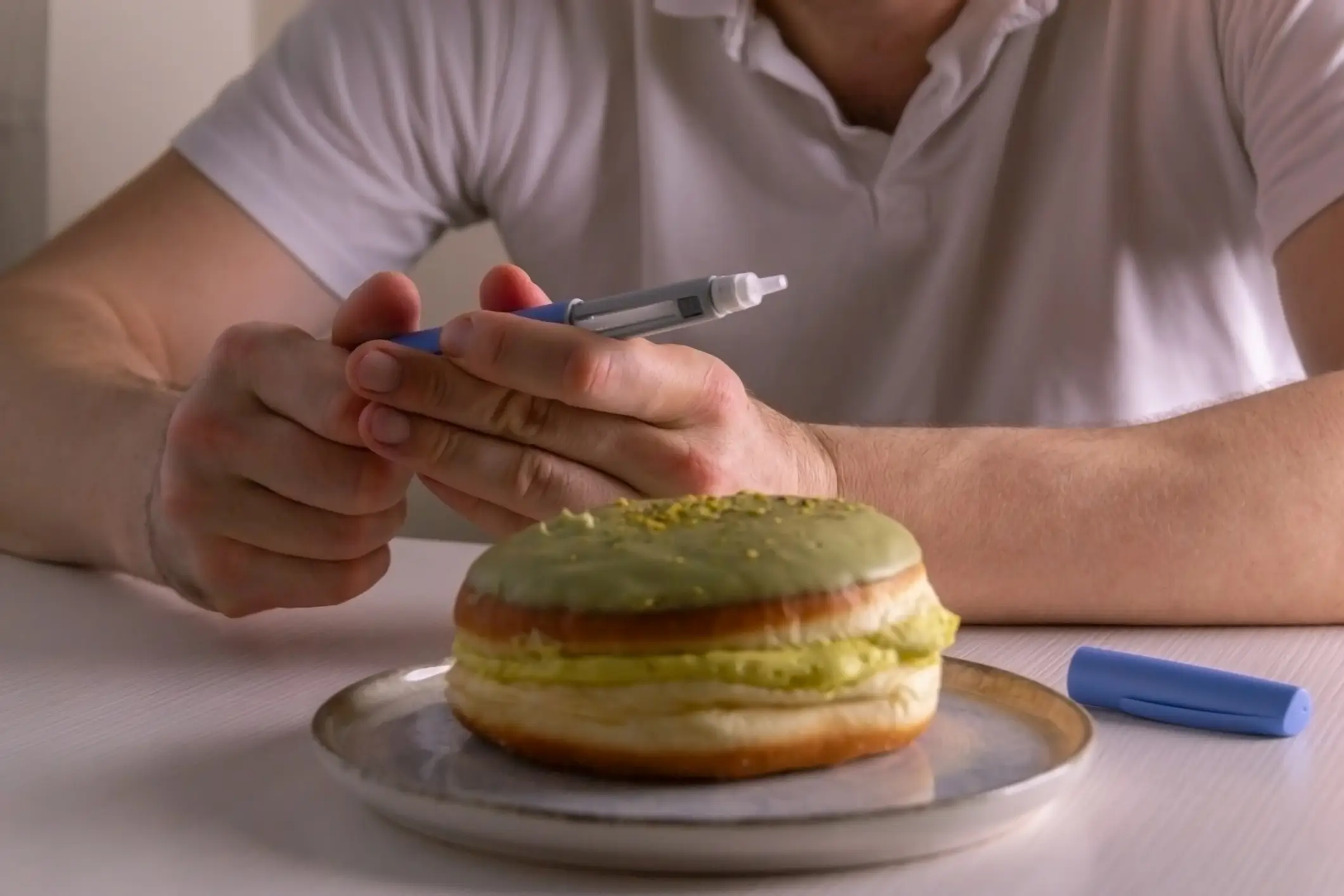
When you're potentially paying hundreds of dollars a month for the likes of Ozempic, Mounjaro, and Wegovy, you'll want to make sure you're getting the most out of your 'skinny jabs'.
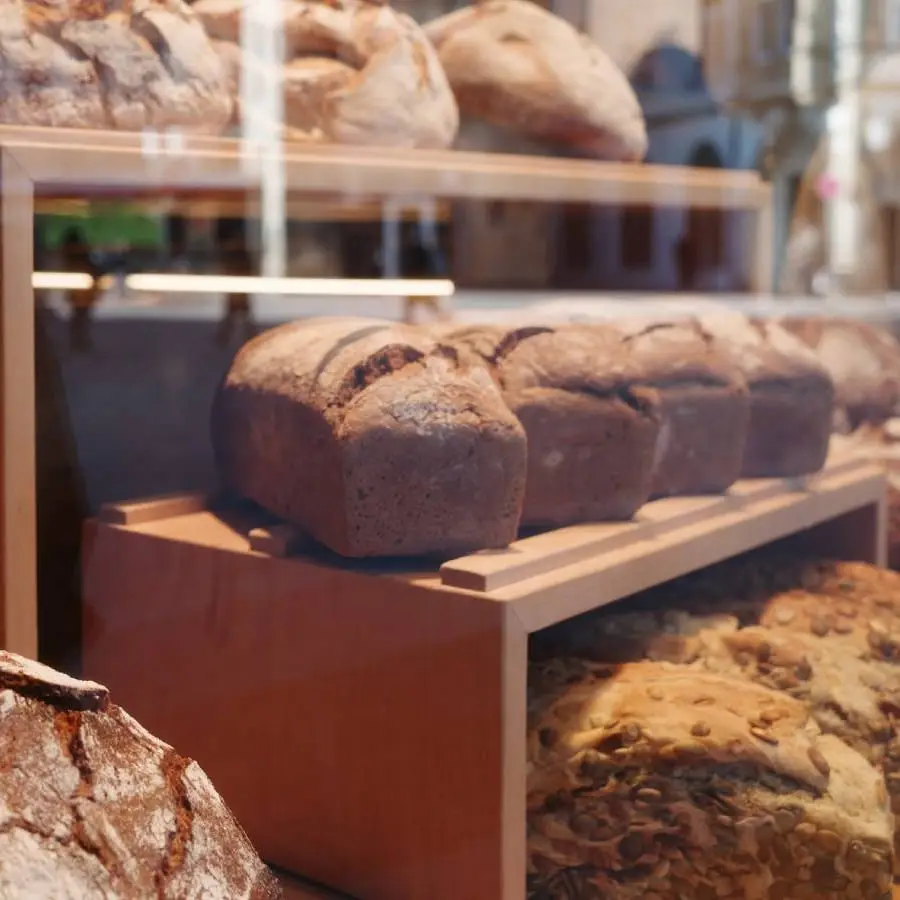
The problem is, one specific food type is apparently in danger of undoing the effectiveness of these drugs. We covered how Dr. Jones warned that eating starchy foods like breads, pasta, and rice as an evening meal can 'flip the switch' and put your body into fat-storage mode at a time it could be doing most of its burning.
There's plenty of science telling us not to go to bed on a full stomach and why eating later meals can lead to increased weight gain, which is why biohacker Bryan Johnson apparently takes his last meal at 11:00 AM each day.
Some research shows that eating complex carbs like oatmeal, wholemeal bread, sweet potato, or banana a few hours before bed can boost serotonin and melatonin, but make sure it's well in advance and keep it to between 100 and 200 calories to ensure your digestive system isn't having to work too hard when you're getting those all-important 40 winks.
The science behind GLP-1s and carbs
As noted by Jones, eating starchy foods late at night spikes our insulin close to bedtime, meaning our nighttime fat burning is stopped in its tracks and digestion is delayed. Jones says that our body should be pulling from its fat cells for the seven or eight hours that we're asleep, but if you've filled up on a bowl of spaghetti not long before hitting the hay, you interrupt this process.
As carbs like pasta, rice, and bread rapidly raise blood sugar, your body reacts with an insulin surge at a point when it should be lowering it for the night.
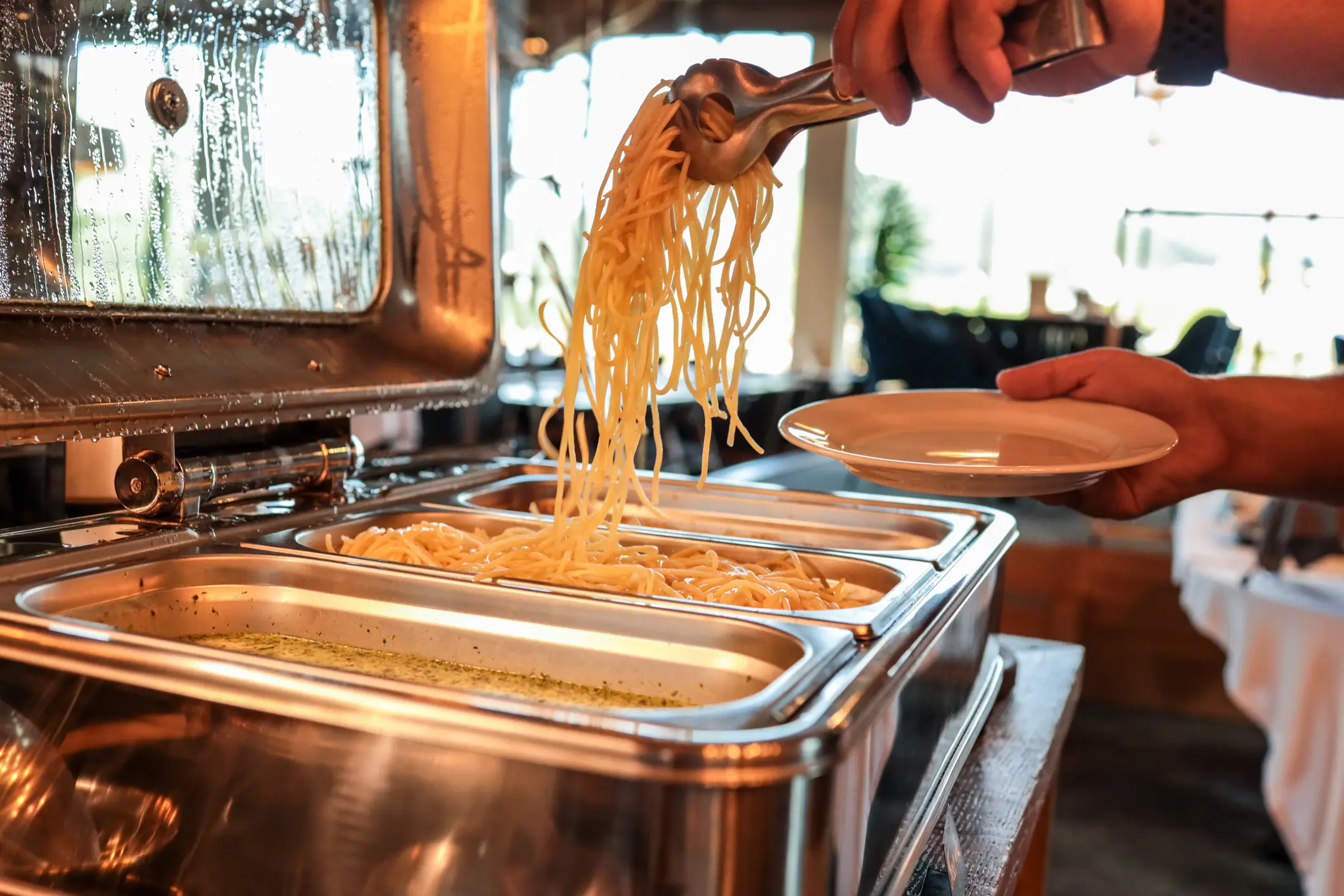
Eating heavy starches then pushes your body into an energy-storage state instead of an energy and fat-burning mode.
More than this, there's potential digestive discomfort.
GLP-1 receptor agonists already slow down your stomach's natural emptying, so piling on starchy foods before catching your zzzs can make symptoms like bloating, reflux, and nausea even worse.
Jones tries to teach people to pick meals that are high in fat and protein for the last one of the day, so think about having a juicy steak, grilled salmon, or vegetables that are cooked in butter or avocado oil.
Just because you think you've been good all day on your GLP-1s and that one slice of pizza won't hurt because you've barely eaten anything, take another look at your dinner choices.
For those still determined to get their pasta fix in the evening, why not try chickpea or lentil pasta, or opt for a bowl of zoodles?
It might not be the same as Nonna's pasta, but at least you won't be waking up in the middle of the night with grumbling insides.