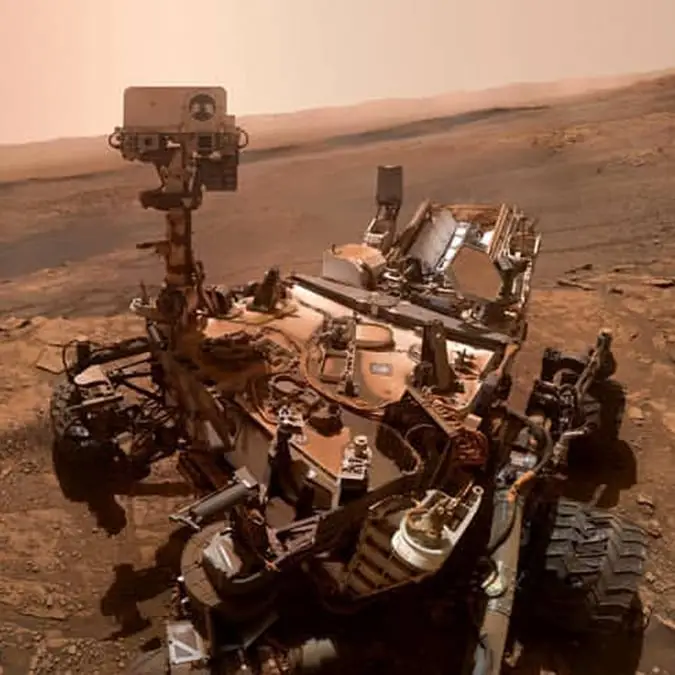
NASA’s Mars rover spots unexplained mystery on the Red Planet that's left scientists baffled


NASA’s Mars Curiosity rover has been roaming the Red Planet for nearly 14 years after it first landed back in August 2012.
Scientists have gained a lot of insight about our neighboring planet thanks to the rover and now, it seems that it has made a new unexplained discovery.
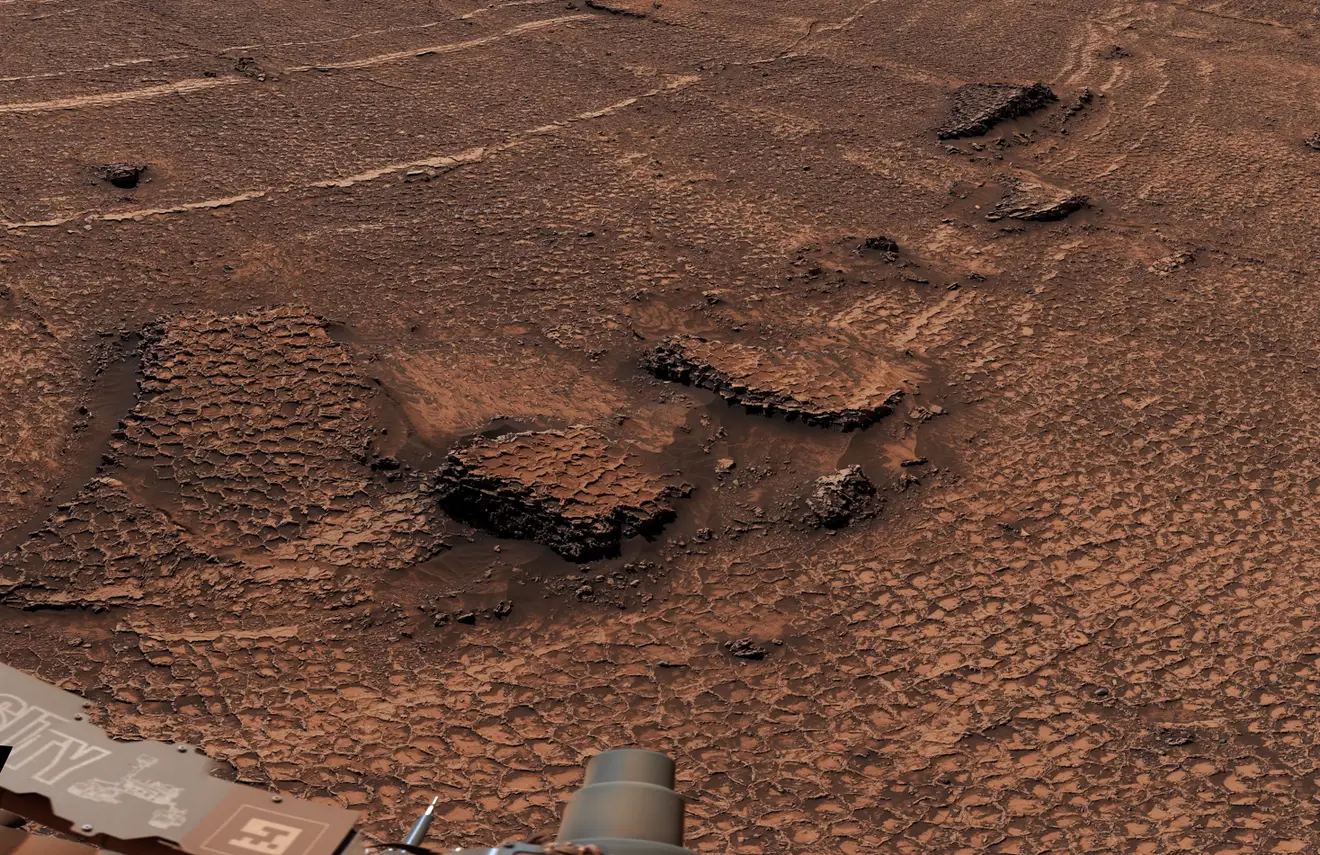
The mystery on Mars has left experts baffled after the vehicle came across ‘honeycomb-like’ patterns on the planet’s surface.
The discovery was made while the rover was exploring a particular valley on Mars known as Valle Grande when it stumbled upon mysterious polygonal shapes, which NASA has since described as a ‘field of honeycomb textures’.
Advert
In a statement, the mission’s project scientist, Ashwin Vasavada of NASA’s Jet Propulsion Laboratory in Southern California, said: “We’ve seen a lot of fascinating landscapes through Curiosity’s eyes, but this sea of polygons took our breath away.
“We measured their shapes and chemistry carefully and are hopeful there are clues in the data as to how these features formed.”
According to the space agency, Curiosity has found ‘small patches’ of these shape formations before but nothing to the scale of what was found at Valle Grande.
Some of the polygons spotted previously had clearly been ‘formed as mud cracks’, although there are a variety of processes which could contribute to the honeycomb texture.
This includes ‘cycles of warm and cold temperatures or compression that squeezed water out of the sediment when the surface was buried’.
In the statement, NASA continued: “In a 360-degree panorama that the rover captured on June 19 and 20, the 4,930th and 4,931st Martian days, or sols, of the mission, the polygonal shapes spread in all directions for as far as the rover can see. They even wrap around the sides of a nearby butte nicknamed ‘Miraflores’, which stands 20 feet (6 meters) tall and is topped with a thick cap of sand.”
However, this isn’t the only discovery made by the rover as, over the years, Curiosity has shined a light on never-before-seen parts of the Red Planet.
This includes sulfur crystals, meteorites and other geologic features of Mars that scientists previously had no idea about.
NASA added: “The rover has previously uncovered chemistry left over from Mars’ watery history, including carbon-based molecules believed to be precursors to RNA and DNA, two nucleic acids that carry genetic information. Scientists have no way of knowing whether these organic molecules were created by biologic or geologic processes - either path is possible - but their discovery reconfirmed that ancient Mars had the right chemistry to support life.”