
NASA gets a 'free $60M experiment' as a SpaceX rocket stage slams into the Moon


The time has finally arrived for the SpaceX Falcon 9 rocket to crash into the Moon, and NASA certainly aren't letting the opportunity pass them by as the space agency is making the most of the 'gift' worth over $60 million.
While some might initially think that a rocket crashing into Earth's nearest natural satellite would be something to worry about, it actually presents a valuable learning environment for space agencies like NASA, especially as we get closer to a permanent human presence on the Moon.
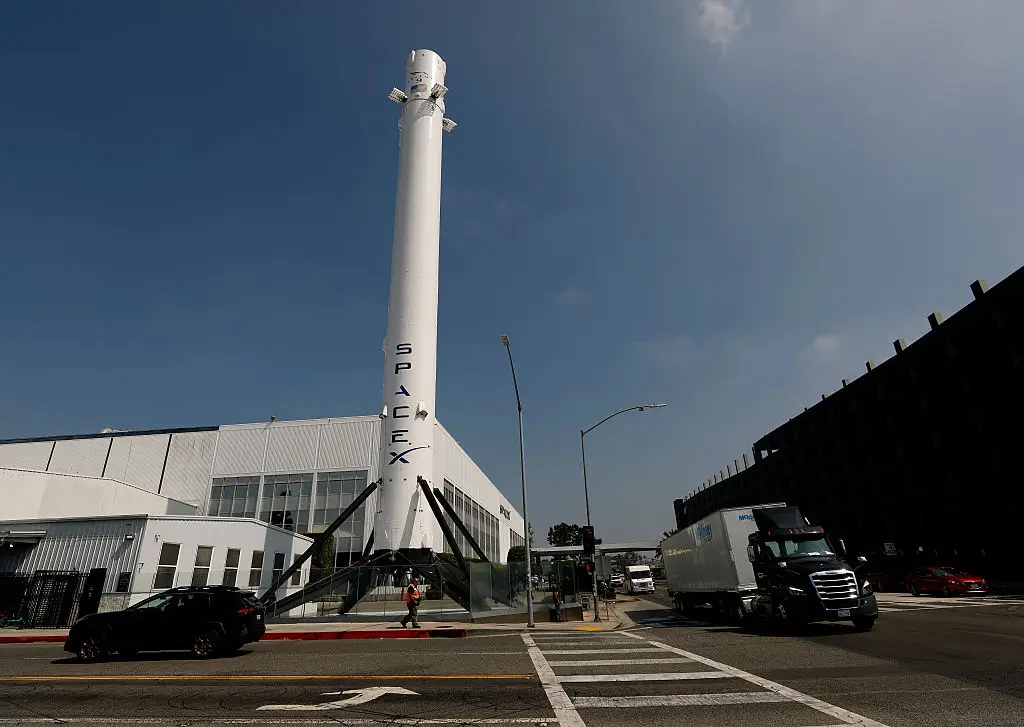
Thankfully it's not a whole SpaceX rocket but instead just a fragment of the rocket stage that was left over from a January 2025 launch that took the Firefly Aerospace Blue Ghost and ispace Hakuto-R towards the Moon, but it's certainly a sizeable piece that'll make an impact.
The commercial price of SpaceX's rocket is set at around $62 million – although this has risen in recent years due to inflation – and while this discarded piece of debris is just a fragment, it would cost NASA just as much to operate a similar test of its own volition.
Advert
Weighing roughly 9,000 pounds (4,018 kilograms) and stretching around 45 feet (13.8 meters) in length, the rocket piece will strike the Moon at approximately 5,400 miles per hour (8,700 kilometers per hour) with the equivalent strength of three tons of TNT.
When will the SpaceX rocket crash into the Moon?
As reported by the BBC, experts believe that the SpaceX Falcon 9 rocket officially struck the Moon at around 02:35 a.m. EDT – which was exactly when scientists had projected – with specialist telescopes monitoring the event when it happened.
Unfortunately that means that there are no official images or videos of the collision, disappointing many amateur space enthusiasts who wanted to see the strike as it happened, but it was thankfully more visible than some initially feared.
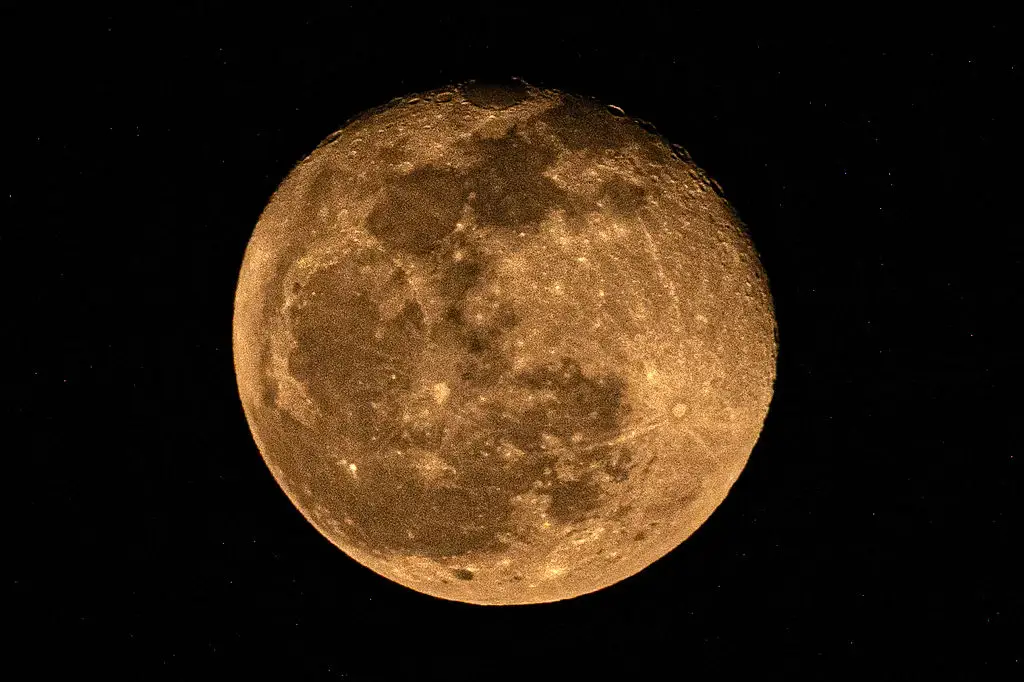
It is believed to have struck an area close to the Einstein Crater, which is on the opposite side of the Moon to the Apollo 11 landing site, and a part of the Moon that both receives daylight and is visible from Earth, partially eliminating worries that it would be obscured from view by the 'lunar limb'.
It does appear as if even spacecrafts orbiting the Moon weren't able to see the collision in real time, with only images of the aftermath being captured with the impact flash lasting just a fraction of a second.
A plume of dust stretching around 100 kilometers (62 miles) into the air was seen too, and this lasted for several minutes before dissapating.
What value will it provide for NASA?
Rarely do scientists get the opportunity to directly observe an impact as direct and artificial as this on the Moon, so institutions like NASA are doing as much as they can to understand and record the ramifications going forward.
With a growing number of trips towards the Moon it's almost inevitable that the frequency of space debris will increase in turn, and understanding the impact that this will have on the surface is vital for any plans to establish a permanent presence.
NASA itself has outlined plans worth $20 billion for a base on the lunar surface, yet they could be jeopardized with lives put at risk if we don't best understand what exactly would happen if a similar impact were to occur, and the long-term repercussions that would follow.