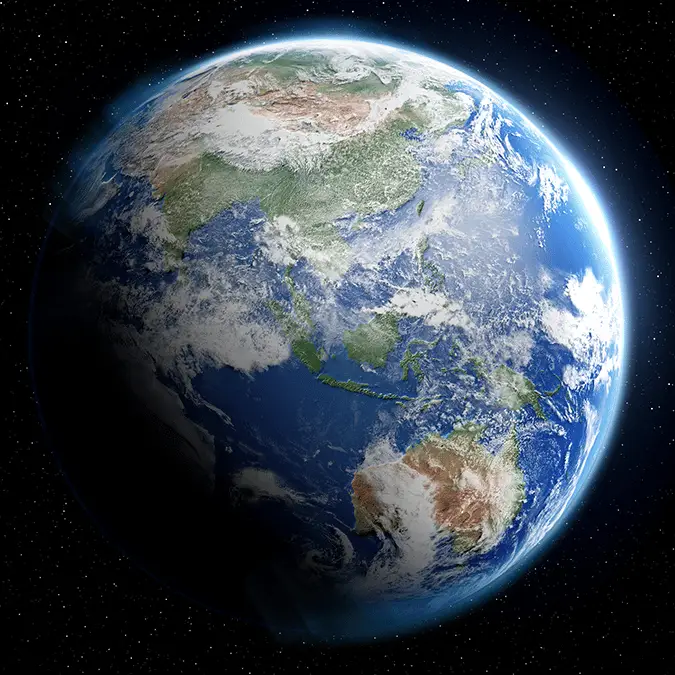
Apocalypse fears rise as three rare astronomical events are set to collide on same day next week


An exceedingly rare triptych of astronomical events are miraculously occurring on the exact same day next week, yet instead of taking this as something to celebrate, some people online have viewed it as the sign of the impending apocalypse.
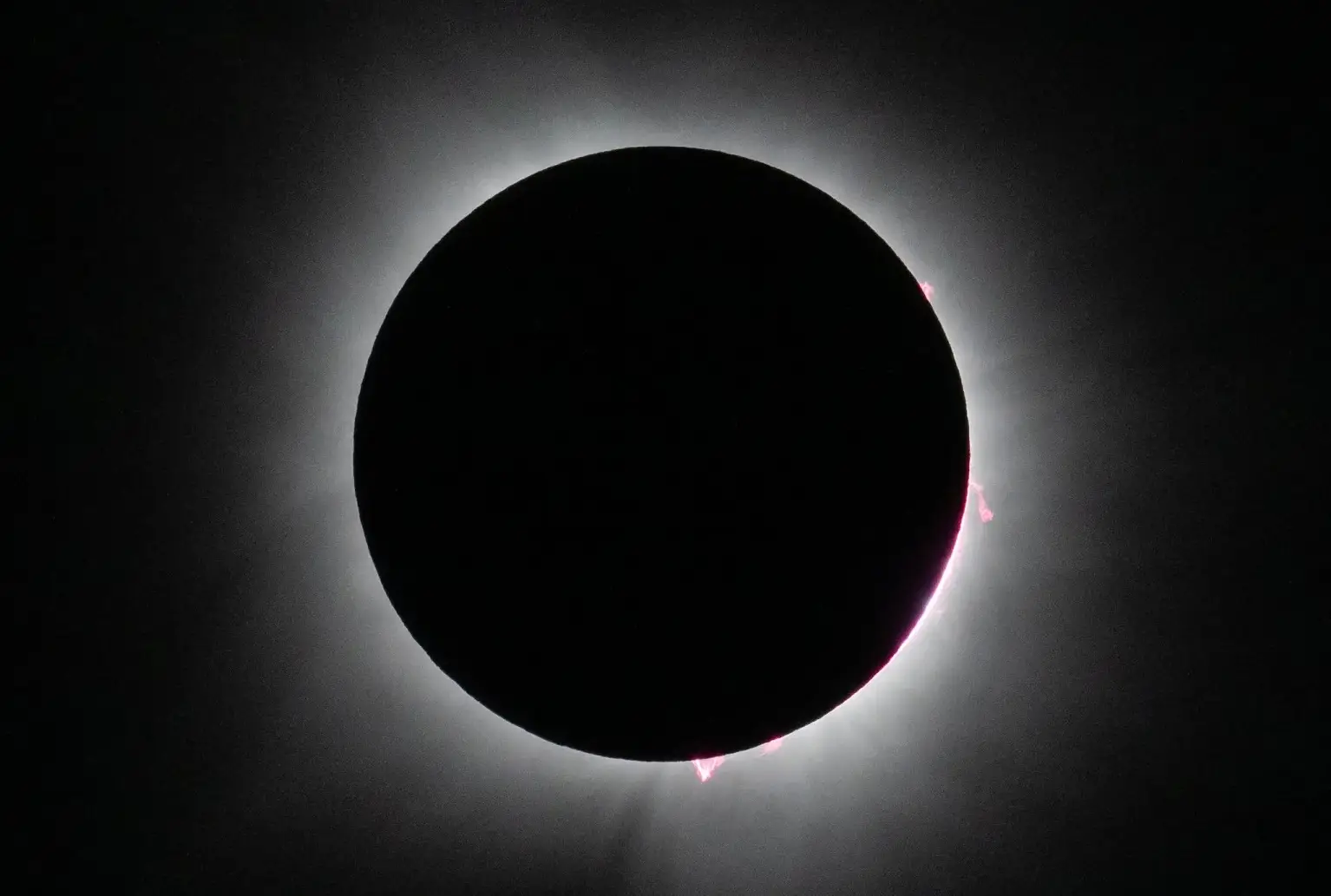
The events themselves involve a total solar eclipse, a six-planet parade, and the peak of the Perseid meteor shower, as per the Express, with the incredibly low probability of all three falling on the exact same day stunning scientists and space experts across the globe.
Hopefully you'll be able to catch at least one when it happens no matter where you are on Earth, yet some believe that we won't have much time to enjoy the incredibly rare event with the end of the world happening soon after.
People claim that it's a sign of the apocalypse
Some have expressed their excitement to catch each of the three events, with one user on X writing that it "would be an absolutely wild skywatching day," yet those are seemingly in the minority across social media with many fearing the worst.
"So the end of the world as we know it?," questioned one user in response to the astronomical coincidence, with another proclaiming that "it's the end of the WORLD HOW THE F**** IS ALL OF THIS HAPPENING ALL AT ONCE."
Advert
One even claimed that "Mother Nature is in cahoots with the universe," whereas a fourth speculated that "this sounds like the intro to a disaster movie."
Likely the only disaster that'll happen here though is for your eyes if you were to try and look at the solar eclipse directly, as experts advise taking every precaution to observe the spectacular event through safe means as the consequences for your health would be significant otherwise.
How to view each solar event
For the solar eclipse, anyone currently in parts of Greenland, Iceland, northern Russia, the Atlantic Ocean, Spain, and a small section of Portugal will be able to view it in its totality, whereas most of the Northern Hemisphere will be able to see a partial eclipse.
All three of the astronomical events are scheduled to take place next Wednesday, August 12, with the solar eclipse starting off at 1:45 p.m. EST in Iceland, and reaching Spain at 2:28 p.m. EST.
Anyone not able to give it a look will also be able to tune into NASA's official coverage, which begins at 1:15 p.m. EST on the same day, where a YouTube video will give you the best view of the event.
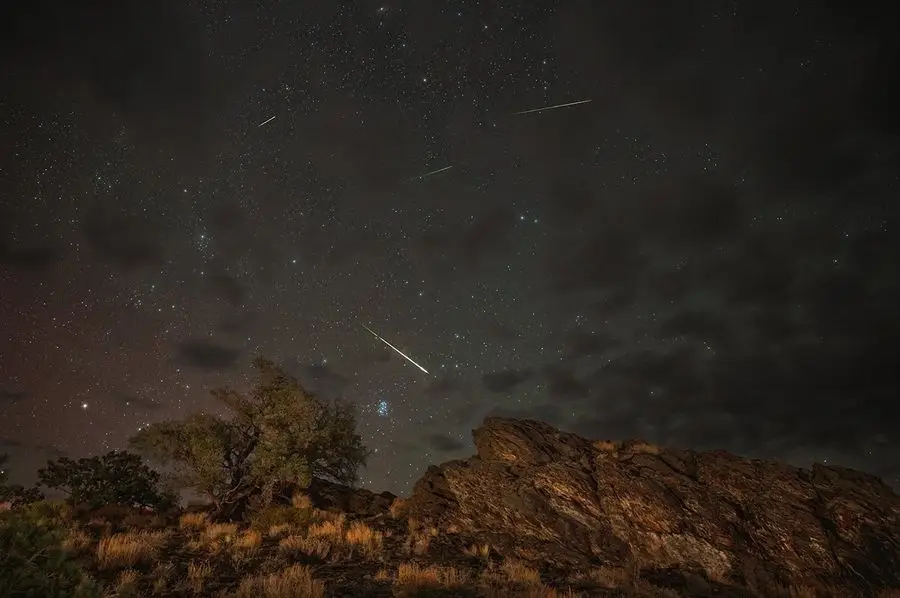
For the Perseid meteor shower you'll want to, as the name suggests, look towards the Perseus constellation with suitable apparatus, and while there is no strict time that the peak will occur, it typically starts as early as 10 p.m. and can spike during the pre-dawn hours.
Finally, for the six-planet parade, you'll simply want to find a flat elevated piece of land that you can reach during the night, and look towards the western sky close to the horizon to hopefully see the alignment — although you will likely still need binoculars or a telescope.