
SpaceX wants to turn your home Starlink dish into a mini cell tower


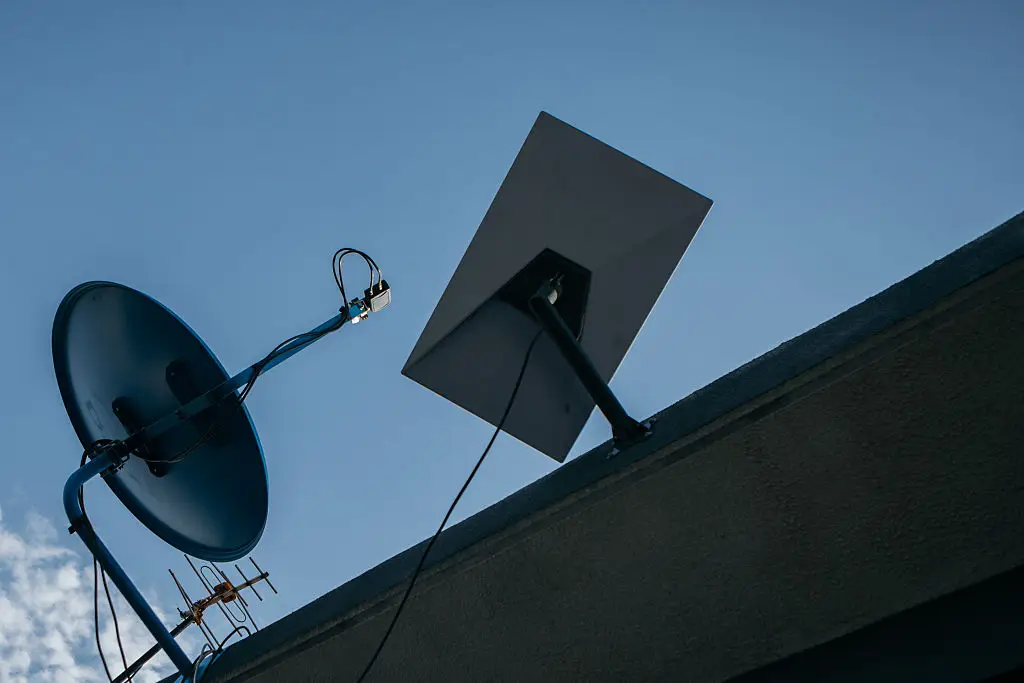
Elon Musk's SpaceX has revealed another major part of its plan to become one of the nation's leading cell networks, as it will soon attempt to transform every home's Starlink dish into its own mini cell tower.
This move would be a notable shift for the cell network industry, as instead of relying on pre-existing – and often expensive – cell towers dotted across the country, SpaceX would instead utilize the existing network it has through Starlink's rollout, alongside several other smaller base stations.
Whether this is enough to actually get Elon Musk's company off the ground and competing with the big hitters like Verizon, AT&T, and T-Mobile remains to be seen, yet it's certainly an indication of how seriously SpaceX is taking the challenge, and could be the key that pushes them over the edge.
SpaceX reveals plans for mini cell towers
As reported by Digital Trends, the announcement of this plan was made by SpaceX president Gwynne Shotwell, who reiterated plans to establish a fully operational cell network beyond the existing service that the company provides.
Advert
Right now, SpaceX only offers an auxillary satellite-based service alongside pre-established phone networks across the world, with T-Mobile providing the service exclusively in the United States.
It provides you will a wider-reaching cell connection in areas that would otherwise miss out, using the company's over-10,000-strong satellite constellation in orbit to keep your service active where traditional cell towers wouldn't be able to reach.
SpaceX isn't the only company offering this – as Apple currently has a partnership with Globalstar to provide a similar service – but making the step up to create its own full-blown cell network would certainly be a first.
Can SpaceX really enter the cell network race?
While industry experts have previously expressed doubt over whether SpaceX would be able to penetrate the market from a spectrum point of view, with the three biggest existing networks holding a significantly higher capacity (1,020MHz) compared to the 65MHz that SpaceX currently offers.
David Barden, a partner at New Street Research, believes that building a "wireless network in saturated markets around the world would be incredibly hard," believing that SpaceX's plans are more of a ruse to secure better partnership deals with existing providers.
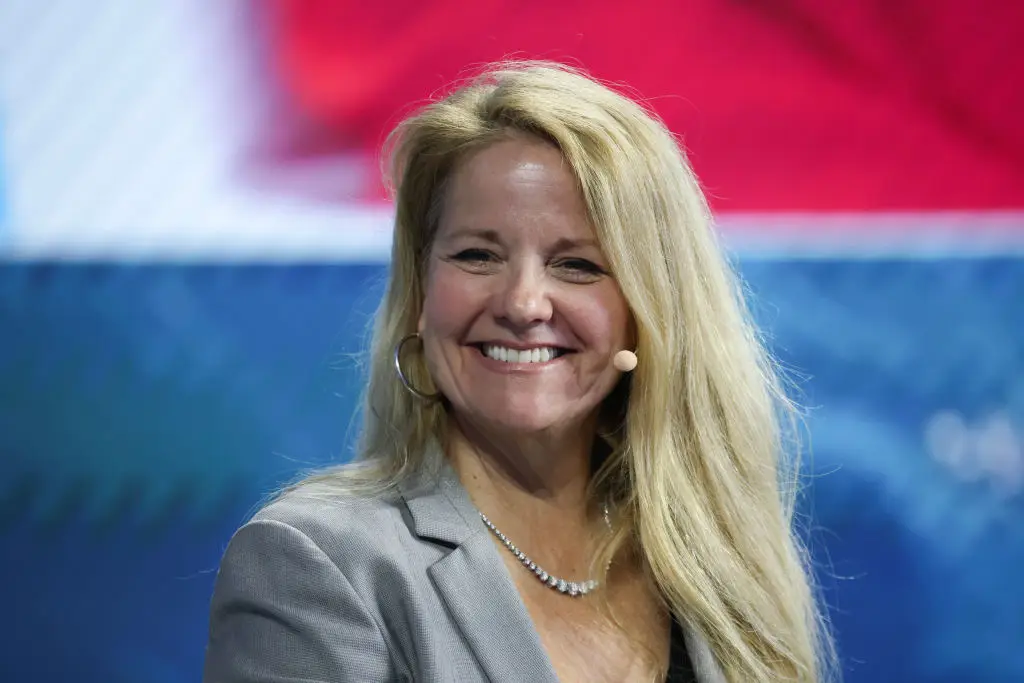
However, this reaffirmation of plans does suggest that SpaceX, Shotwell, and Musk are very much serious about plans to expand into a complete cell network, with the use of Starlink dishes a key component of that.
Following on from a $17 billion agreement with EchoStar to obtain access to its terrestrial spectrum, SpaceX's available bandwidth would reportedly increase from around 5MHz to 65MHz, with Shotwell claiming it would be 100 times better than the existing options.
The use of existing Starlink dishes would dramatically reduce the cost of deployment that some expected SpaceX to take on, yet it will still prove to be a real challenge that many have tried and failed to achieve.