
Six planets are about to align in rare triple sky event and here's how to see them


If you want to see a speculator show that the sky is displaying next week, then you might need to set your alarm a little earlier than usual.
This is because a six-planet alignment has been building towards its big moment expected to take place on Wednesday (August 12) and it is best spotted just before dawn.
On Monday (August 3), the Moon appeared close to Saturn, visible in the morning and acted as a warm-up for bigger celestial events.
It’s expected that by August 12, Mercury, Jupiter, Mars, Saturn, Uranus and Neptune will all be positioned in the same general region of the sky from our perspective here on Earth.
Advert
However, this alignment won’t make the planets appear to be neatly lined up next to each other as, unlike sci-fi movies, the reality is a little bit more complicated.
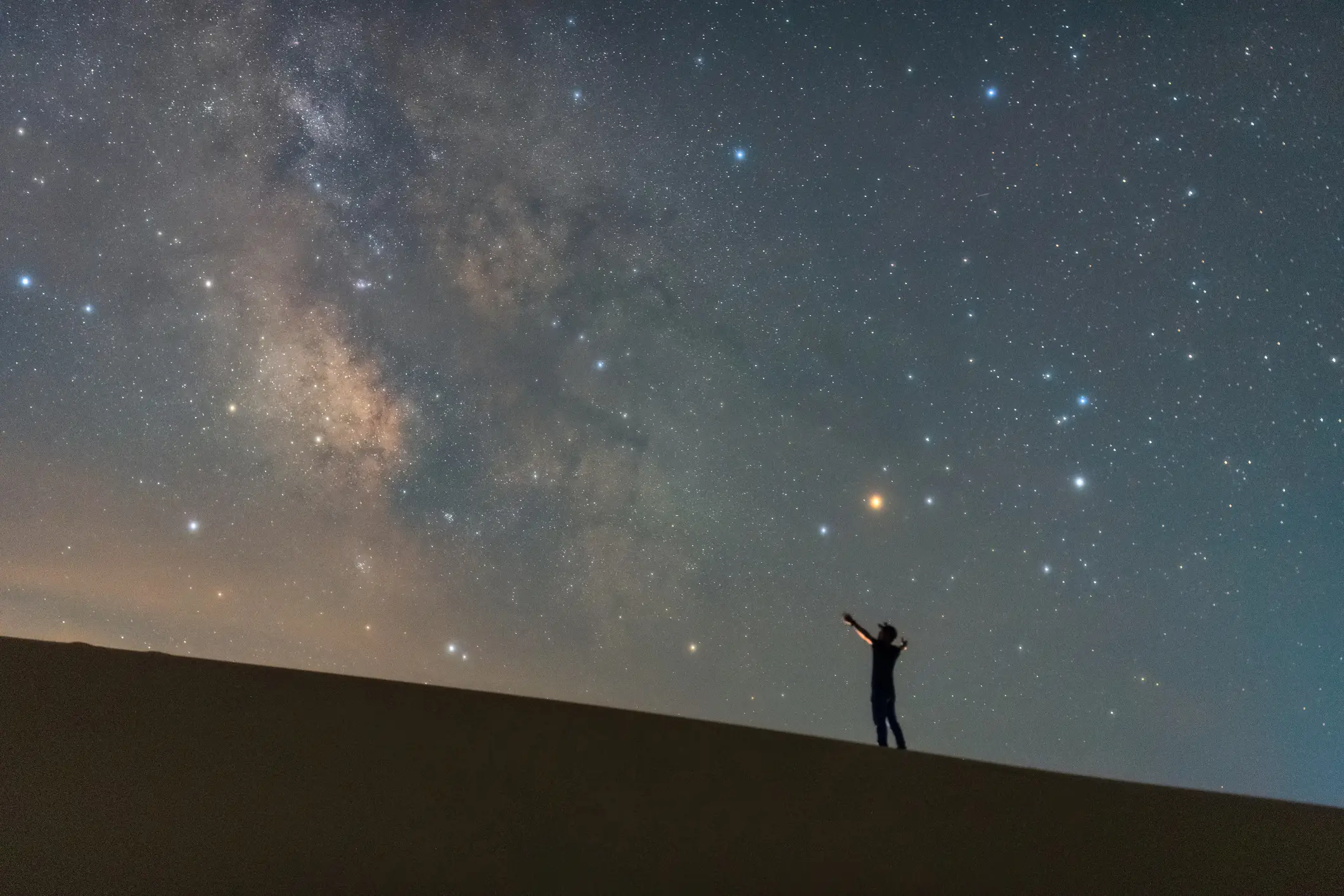
Instead, because all of the planets orbit around the Sun along broadly similar planes, there are occasions when several of them appear grouped together from Earth.
This means that we’ll get a rare chance to glimpse multiple planets in one stargazing session, with experts saying that this is best viewed around 45 to 90 minutes before sunrise on Wednesday.
Europe’s first total solar eclipse in nearly 30 years
However, this isn’t the only major celestial event to be happening next week - let alone August 12 - because on that same day, Europe is getting its first total solar eclipse in almost three decades.
The last time this part of the world experienced a major solar eclipse was back in August 1999, with France, Germany, Austria, and parts of the UK getting a spectacular partial-to-total view.
Now, 27 years later, this upcoming solar eclipse will kick off a very rare three years of major solar events in Europe as another total eclipse will follow in August 2027, which will be visible in southern Spain.
Then in January 2028, we can expect the annular ‘ring of fire’ eclipse.
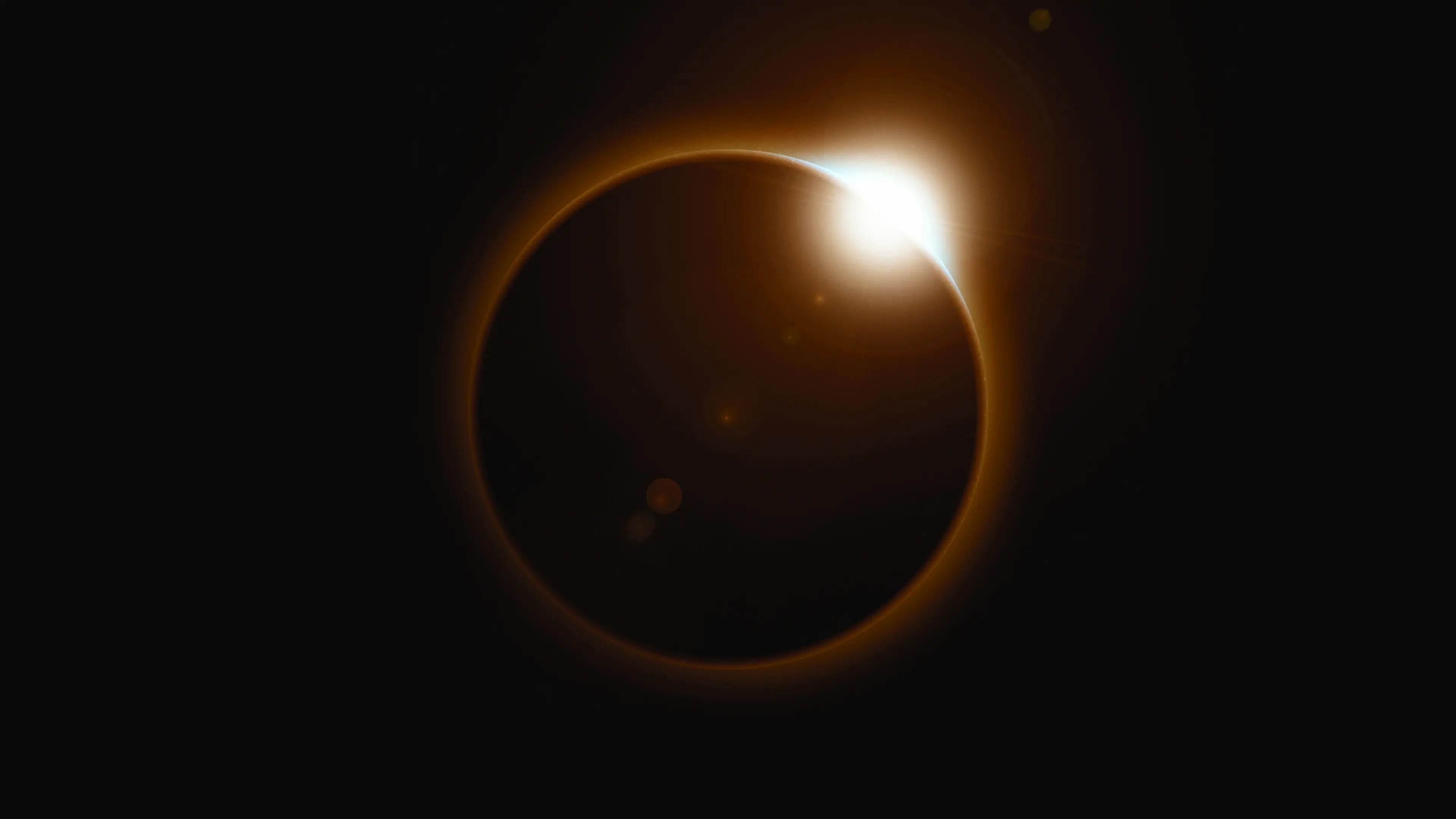
There is a lot more solar activity happening than usual and this is down to the fact that the sun has reached its solar maximum.
In other words, the yellow dwarf star at the center of our solar system has reached its peak period of activity within its 11-year solar cycle.
Typically, this can be signaled by high numbers of sunspots, solar flares, and coronal mass ejections.
Now that the sun has reached the end of its cycle, its magnetic field will flip, beginning its shift toward solar minimum, which hasn’t happened since 2013.
It’s not immediate but instead is a gradual transition, with the increased activity from the sun and its solar flares causing geomagnetic storms on Earth, resulting in the northern and southern light displays.