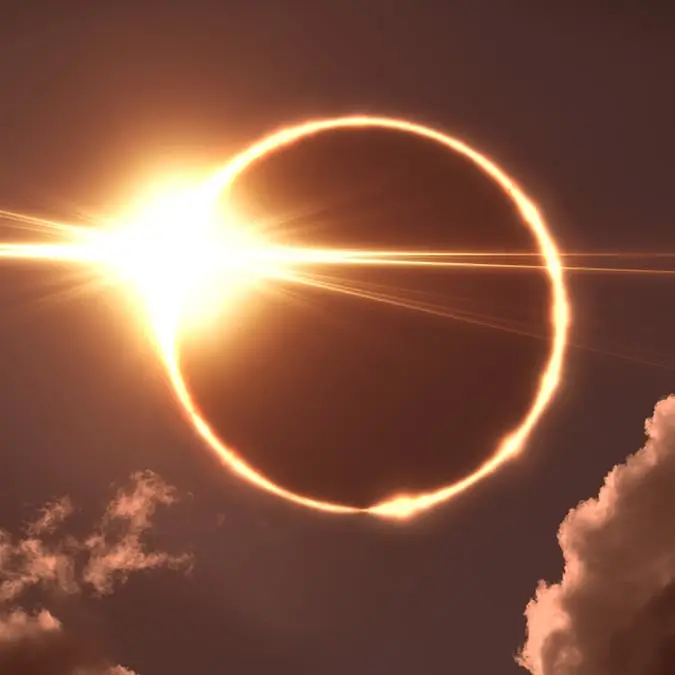
NASA share how to watch historic total eclipse if you're not in Europe

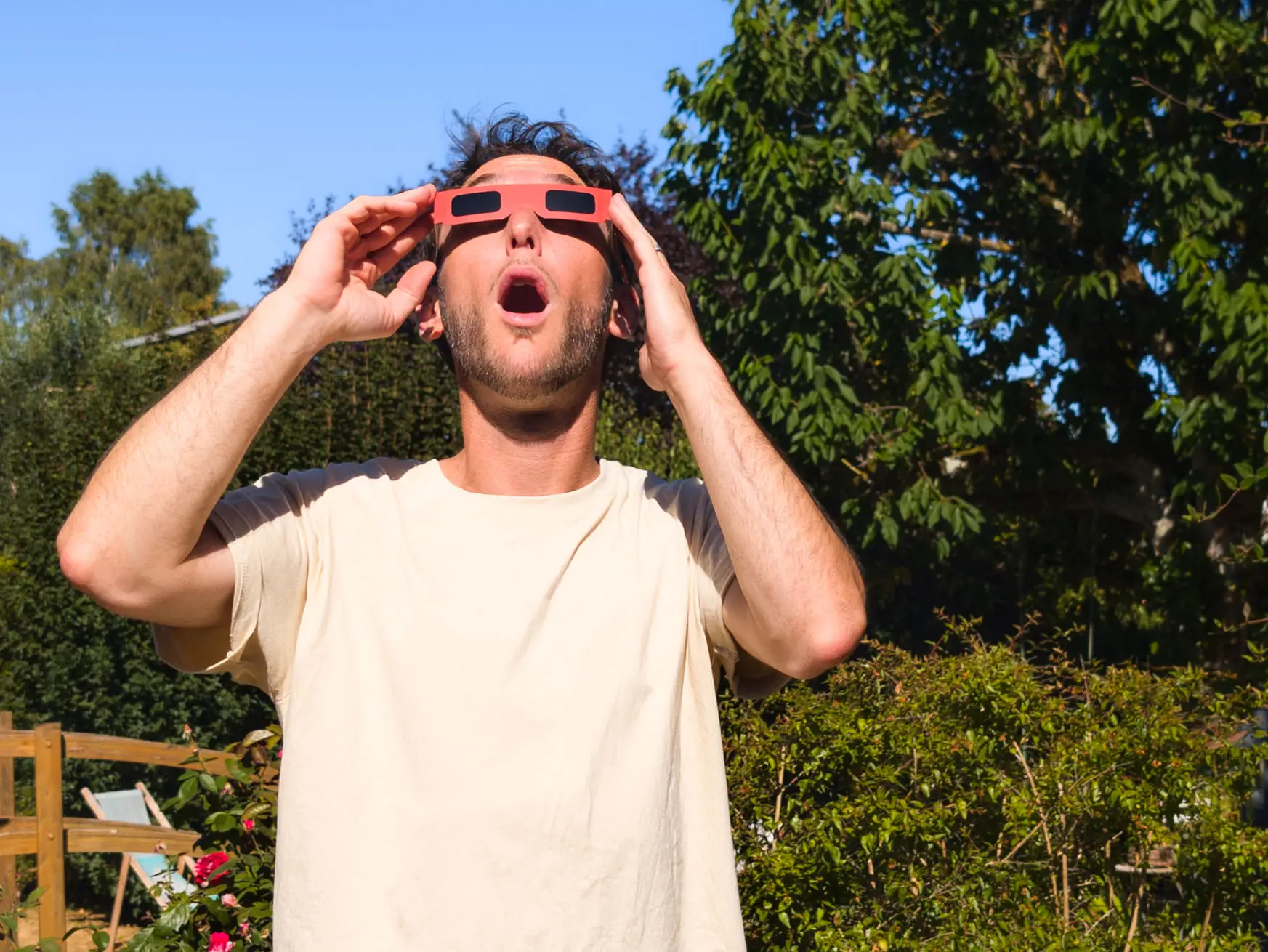
With Europe expected to experience its first solar eclipse in nearly 30 years, many people will be trying to get their hands on a pair of certified eclipse glasses to watch the spectacle.
The major celestial event will be visible across the continent later today (August 12), with the likes of Spain, Iceland and Greenland expected to be able to view it in totality.
The rest of Europe will get a partial eclipse, with the UK and Ireland set to experience a large partial eclipse which will cover over 90% of the Sun.
The last time this part of the world experienced a major solar eclipse was back in August 1999, with France, Germany, Austria, and parts of the UK getting a spectacular partial-to-total view.
Advert
The excitement surrounding the event has led to eclipse glasses shortages across the UK, with many scrambling to get their hands on a pair before the event kicks off.
The eclipse is expected to begin around 6.13pm (British Summer Time) and will end around two hours later.
How to watch the solar eclipse from outside Europe
However, how can people further away view the event? Well, fear not, because NASA has revealed how astronomy fans who aren’t in Europe can still experience the phenomenon.
The US space agency plans to stream the event live for people to watch, which can be found on X, formerly Twitter, as well as the agency’s YouTube page and on the official NASA website.
NASA intends to conduct multiple experiments during the eclipse, including ‘an investigation into the dynamics of the Sun’s corona’, as a NASA-funded science team will ‘chase the Moon’s shadow with a WB-57 high-altitude research aircraft’.
The agency went on to say: “The NASA-supported Nationwide Eclipse Ballooning Project is sending students from several US universities to Iceland and Spain to launch scientific balloons before, during, and after the eclipse to research how the temporary darkening of our skies during the eclipse affects Earth’s atmosphere.”
Amir Caspi of the Southwest Research Institute in Boulder, Colorado, said: “The Sun is always changing, every eclipse is different. So we could see things we didn’t see before. And we learn from each eclipse how to better observe the next one.”
Three balloon teams will launch a total of six balloons with 360-degree cameras in Spain during the eclipse to capture the image of its shadow from above.
These balloons also will have instruments that are designed to measure levels of ozone in the atmosphere.