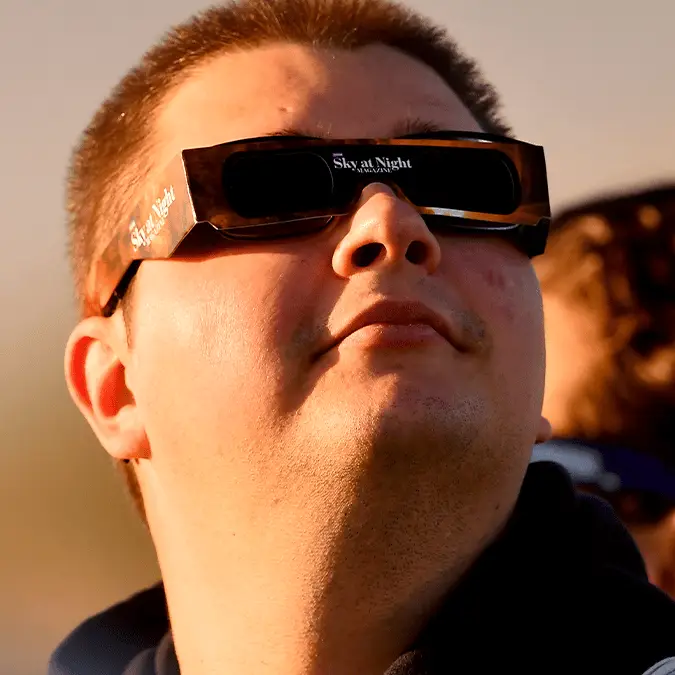
Longest solar eclipse in a generation is just months away and it won't return for over a century


The longest solar eclipse in a generation is just months away, and will likely be your only chance ever to see it.
If the images from the Artemis II mission have left you hungry for more space news, you're in luck. One of the most spectacular astronomical events is set to unfold right above our heads.
Come summertime, a total solar eclipse will carve a path across the Arctic, Greenland, Iceland, and northern Spain.
When is the longest solar eclipse 2026?
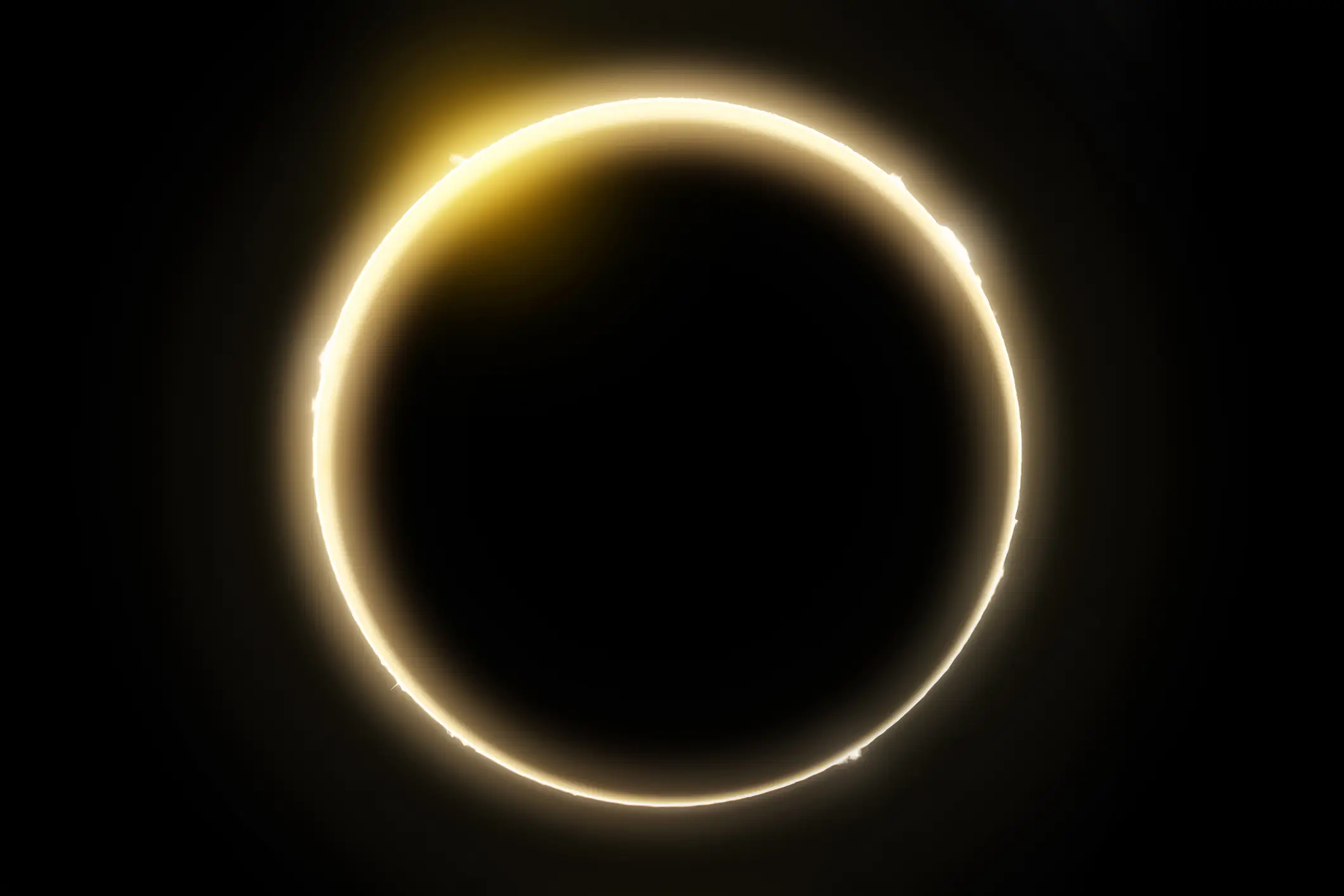
On August 12, 2026, the Moon’s shadow will sweep across the Northern Hemisphere in the late afternoon and early evening hours, plunging a narrow part of Europe into temporary darkness.
Advert
NASA data puts the maximum duration of totality at 2 minutes and 18.2 seconds, measured at the point of greatest coverage in the North Atlantic Ocean. This marks the event as the longest in a generation, and for most people in Europe, it will be the most accessible total solar eclipse since March 2015.
The eclipse belongs to Saros cycle 126, a recurring pattern that repeats roughly every 18 years and 11 days.
Who will be able to see the 2026 solar eclipse?
The path of totality starts in the remote northern reaches of Russia, crosses the Arctic Ocean, and sweeps over Greenland's ice sheet. It will then pass over western Iceland, including the capital Reykjavík, before heading southeast across the North Atlantic towards Europe.
The shadow will make its final landfall in northern Spain, cutting through Cantabria, the Basque Country, Castile and León, La Rioja, Aragon, and Valencia, before fading near the Balearic Islands at sunset, Eclipsewise reported.
Major Spanish cities directly in the path of totality will be able to catch a view of the eclipse, including Bilbao, Santander, Burgos, Valladolid, Zaragoza and Valencia.
A small sliver of northeastern Portugal, around the villages of Guadramil and Rio de Onor, will also experience totality for a brief time.
For those outside the totality corridor, a partial eclipse will still be visible across a vast area covering almost all of Europe, much of northern Africa, parts of Atlantic Canada and Maine, and large stretches of the Atlantic and Arctic oceans.
Meanwhile, observers in London, Paris, Berlin and Rome may see a portion of the Sun obscured in the late afternoon towards sunset.
How to view the 2026 solar eclipse safely
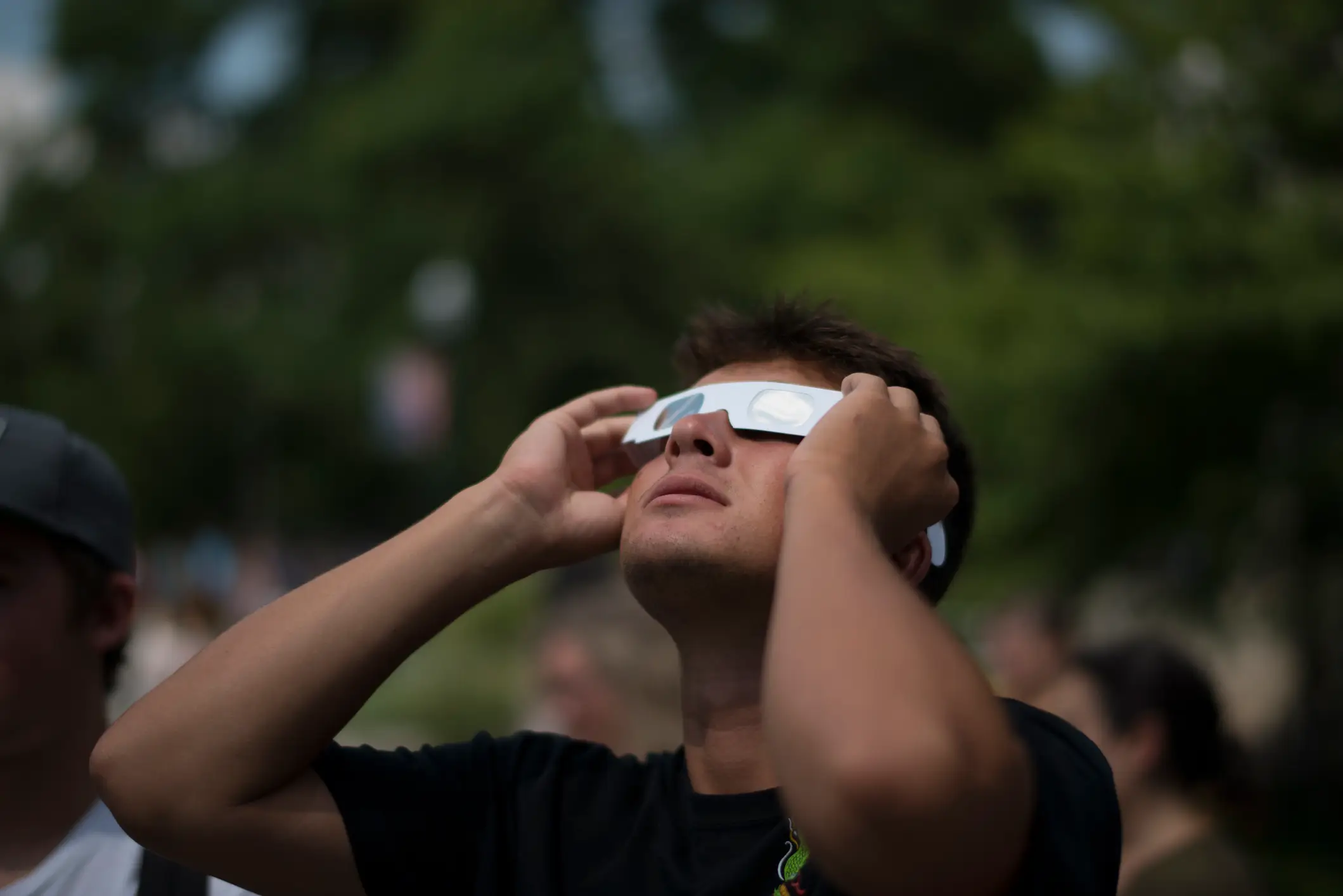
The only moment it is safe to look directly at the Sun without protection is during totality itself, which is the brief window when the Moon fully covers the Sun's disc, the Daily Galaxy reported.
Protective eyewear must be worn once the instant sunlight returns. According to NASA, viewers risk permanent retinal damage if protective eyewear isn't worn.