Artemis 2 crew become first humans in history to see the Moon's 3.8B-year-old 'scar'


It seems that Reid Wiseman, Christina Koch, Jeremy Hansen, and Victor Glover just can't stop setting records while up in space, with the four-person crew of the Artemis 2 mission just securing another first for mankind.
Sure, we all tend to think of Neil Armstrong's "one small step for man..." speech, but in 2026, Artemis 2 is earning a reputation for a surprising number of firsts. As well as Glover being the first Black person to orbit the Moon, Koch is the first woman to pass low Earth orbit, and the crew has gone further into space than any human has ever gone before, at a whopping 406,771 km from Earth.
Not content with etching themselves on the epitaph of human history, they're also due to break another record for the fastest humans have ever travelled, thanks to their imminent splashdown.
Then again, considering technology has come so far since Eugene Cernan was the last man to set foot on the Moon in 1972, it's easy to see how far we've come in the last 54 years.
Advert
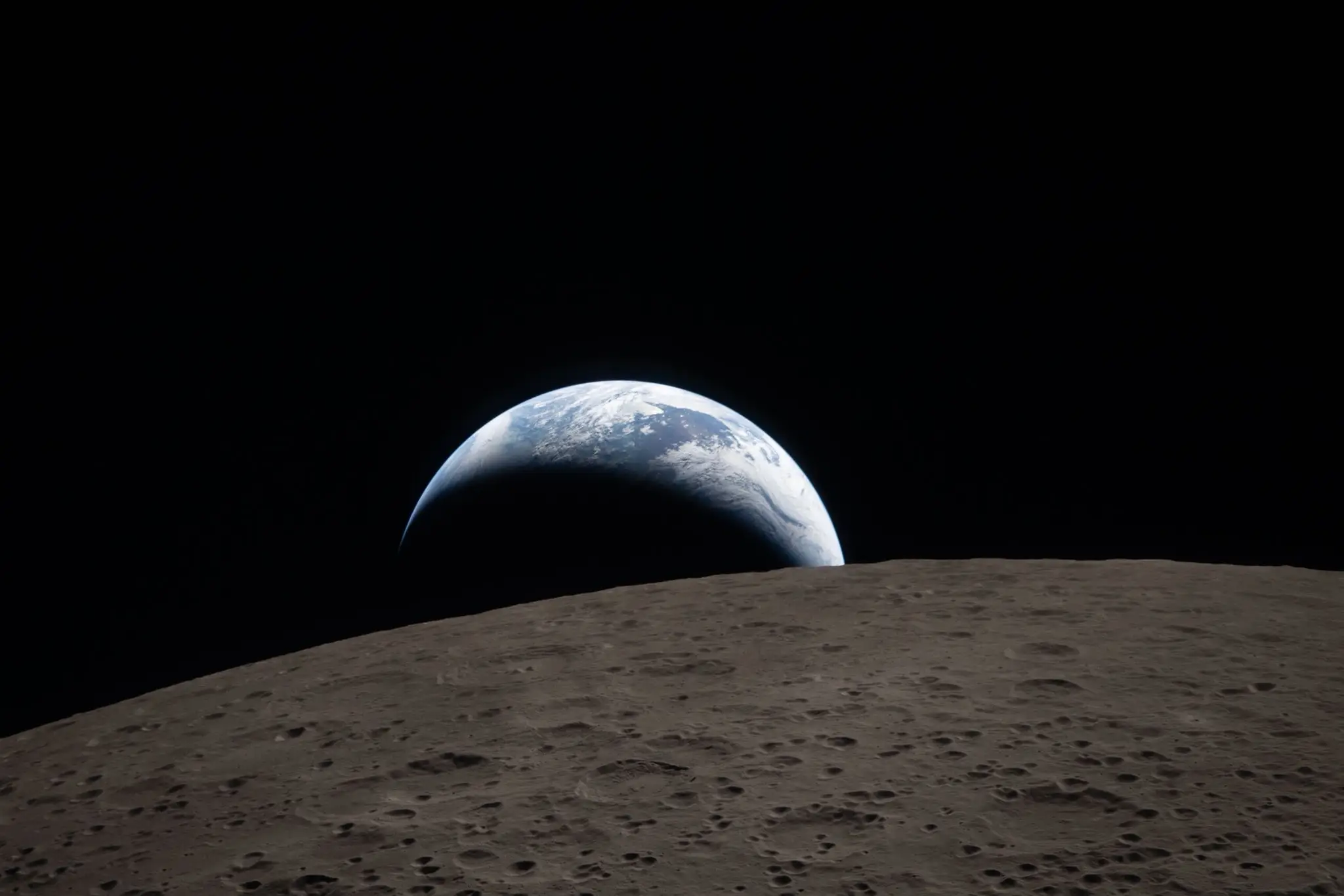
As well as being the first astronauts to glimpse the far side of the Moon, they were the first to see the natural satellite's 3.8 billion-year-old scar up close and personal. Oh, doesn't she look good for her age?
What is the Orientale Basin?
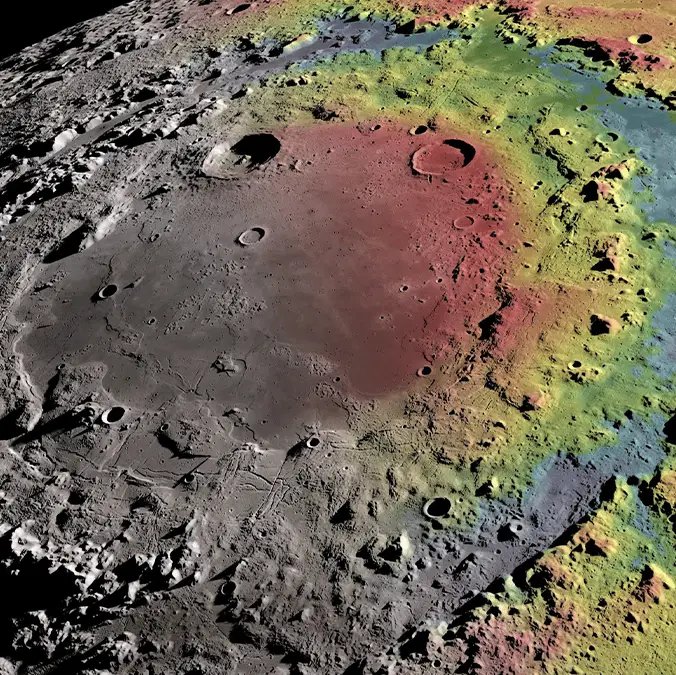
Even though we're saving an actual Moon landing for Artemis 3 (whenever that is), the Artemis 2 team still got to witness some amazing sites during their flyby. The official NASA Artemis X account shared a snapshot of the colossal Orientale Basin, writing: "The Artemis II crew captured this image showing the rings of the Orientale basin during their lunar flyby on April 6.
At the 10 o’clock position of the Orientale basin, the two smaller craters – which the Artemis II crew has suggested be named Integrity & Carroll – are visible."
For 3.8 billion years, the Orientale Basin has remained hidden on the far side of the Moon, but with Wiseman and co. sending back crystal clear pictures, there was an odd flurry of comments about how 'cute' it looks.
Although NASA wanted to stick to the science of the Orientale Basin, the replies were full of those who drew comparisons to a hippo (it does look a bit like a Kinder Happy Hippo), the Doraemon manga character, and even Howard the Duck. With these new pictures, there's a renewed interest in what gave the Moon its adorable scar some 3.8 billion years ago.
What formed the Orientale Basin?
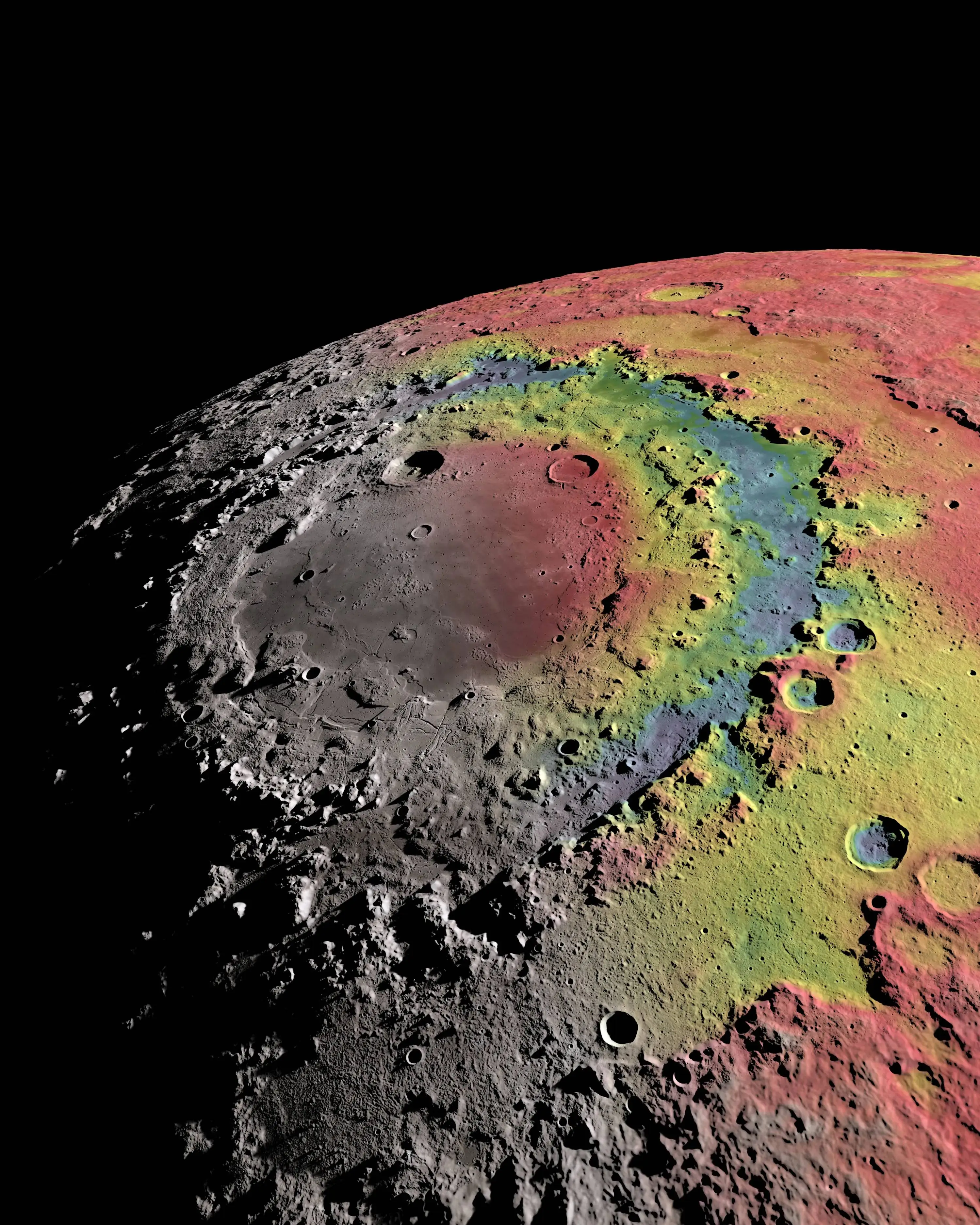
The official NASA site refers to the Orientale Basin's 'explosive' history. While the Moon is said to be 4.53 billion years old, it got its scar much later. Forming at the end of the Late Bombardment period, the three rings were caused by a massive strike. One study suggests the rings were formed when 3,401,236 cubic km of material was launched into the air. The largest ring is three times the width of Massachusetts, but with material with a volume 135 times that of the Great Lakes being flung more than 11 times the height of Mount Everest before coming down, that's going to leave quite a mark.
The impact supposedly caused faults deep enough to reach the mantle, with everything slothing around for two hours before forming the two outer rings. The inner ring was then created when the central peak became too massive to be stable.
Given that the largest confirmed asteroid impact on Earth created South Africa's Vredefort crater with an asteroid estimated to be between 10 and 25 kilometers in diameter, the fact that the Goliath that caused the Orientale Basin is thought to have been 64 km in diameter and traveling at 15 km/s shows just how important this event was. Well, at least the Moon is wearing its scar well.
IN PICTURES: Artemis II's historic lunar mission
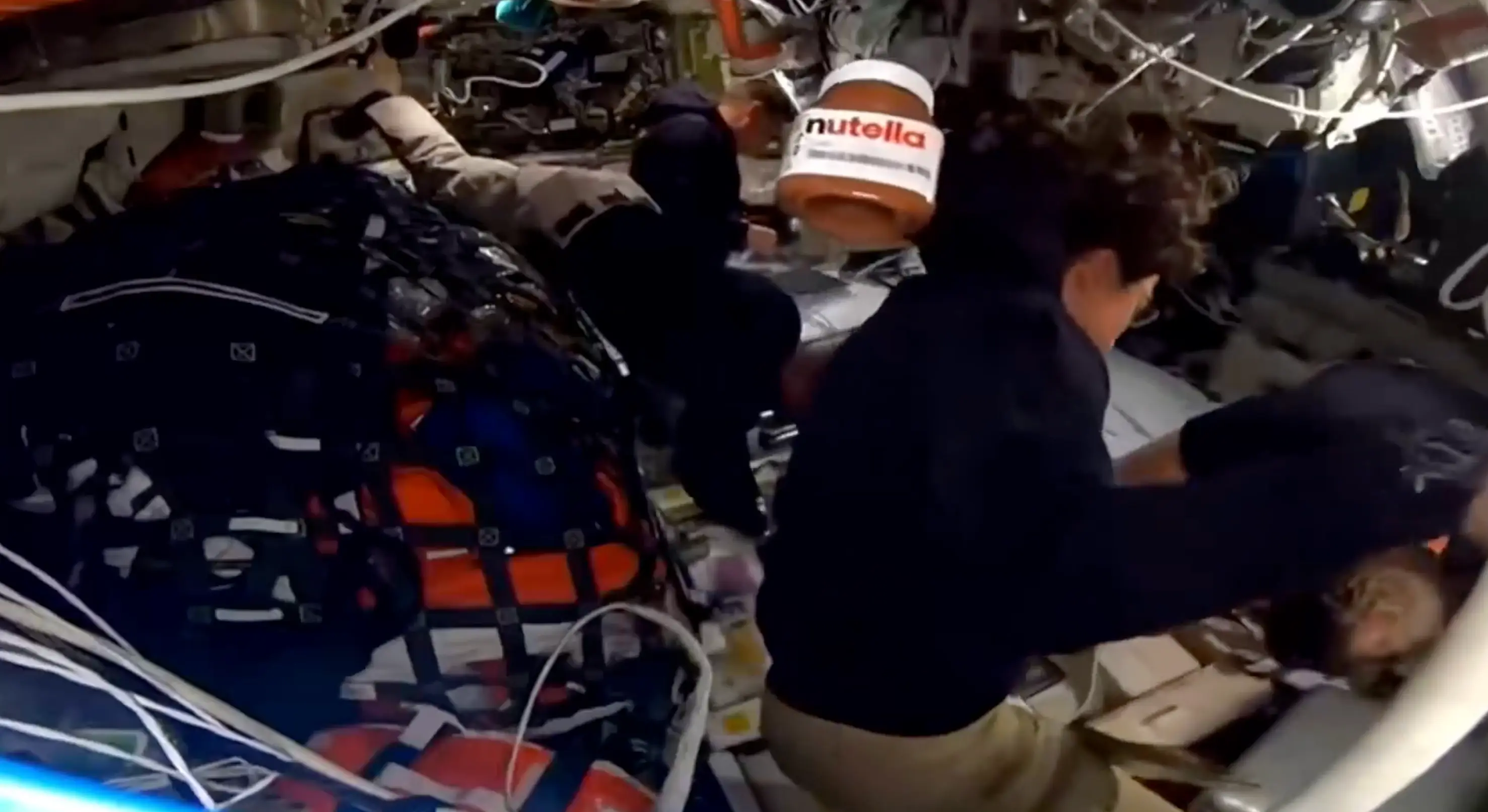
From rogue Nutella jars to lunar hugs and even the Milky Way, let's have a look at some of the highlights of the mission in pictures, as the crew prepares to splash down on the West Coast.
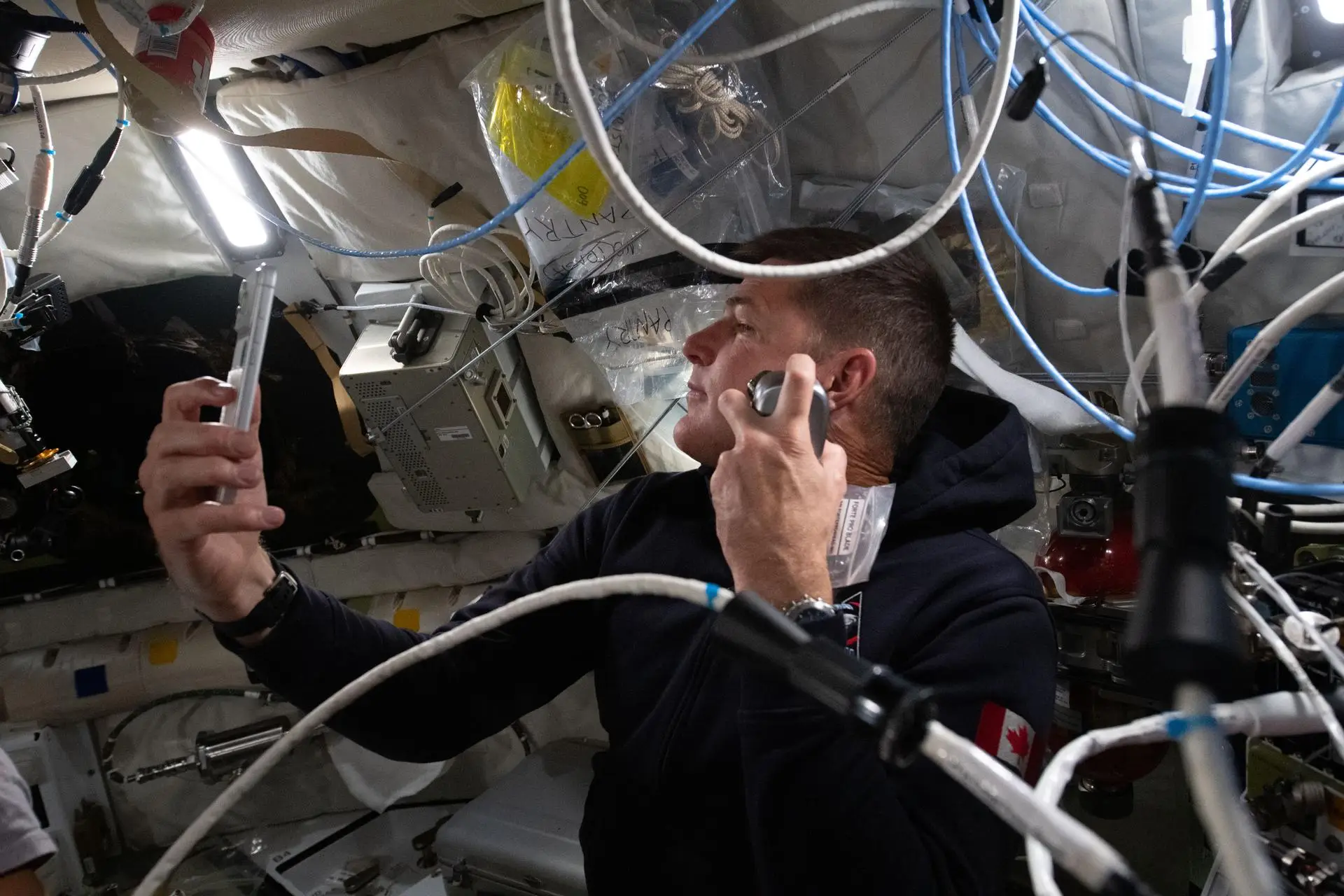
Astronaut Jeremy Hansen enjoys a shave on the way to the Moon
Rogue Nutella jar photobombs the crew's livestream
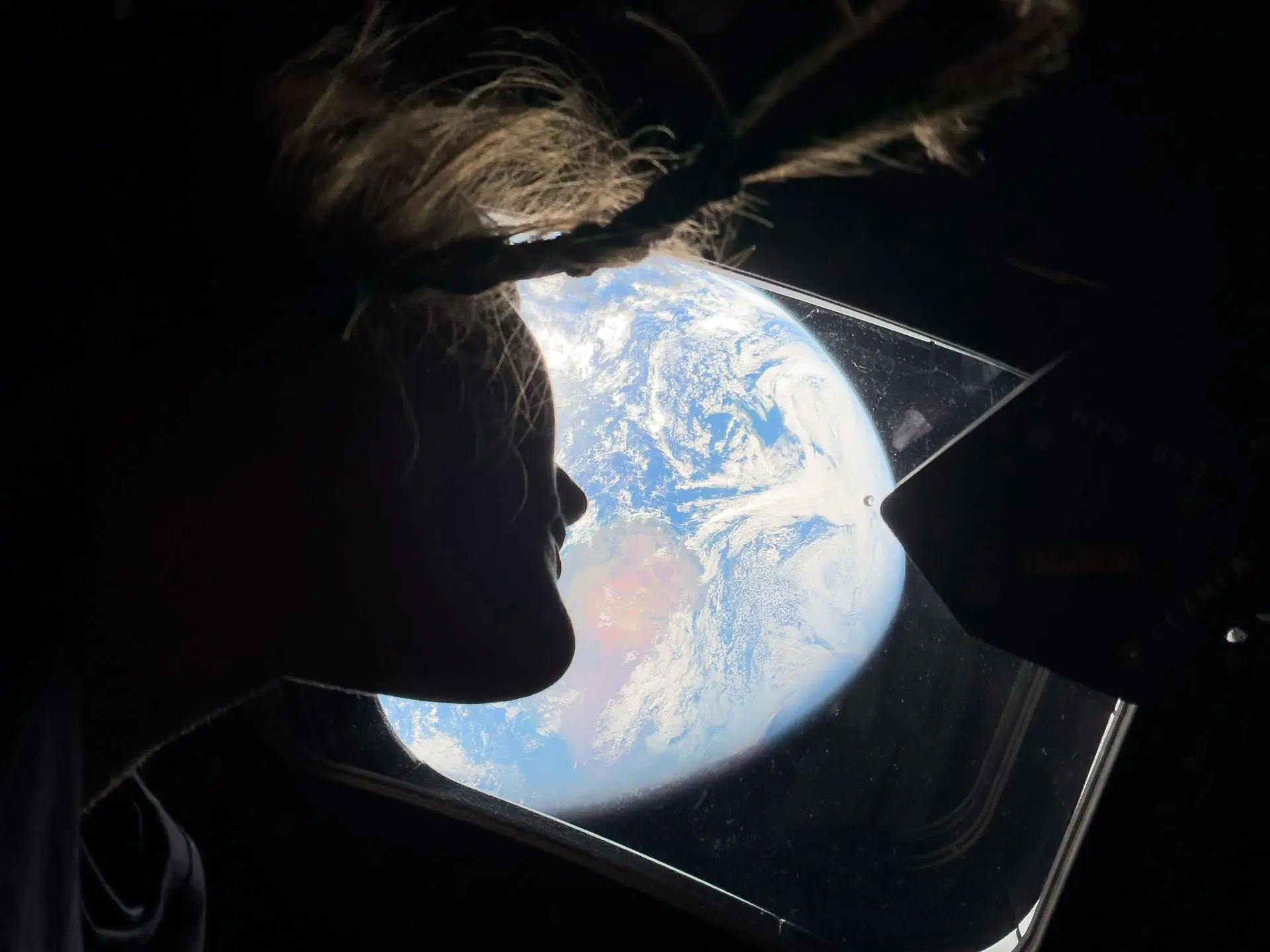
Christina Koch takes a little peek at Earth
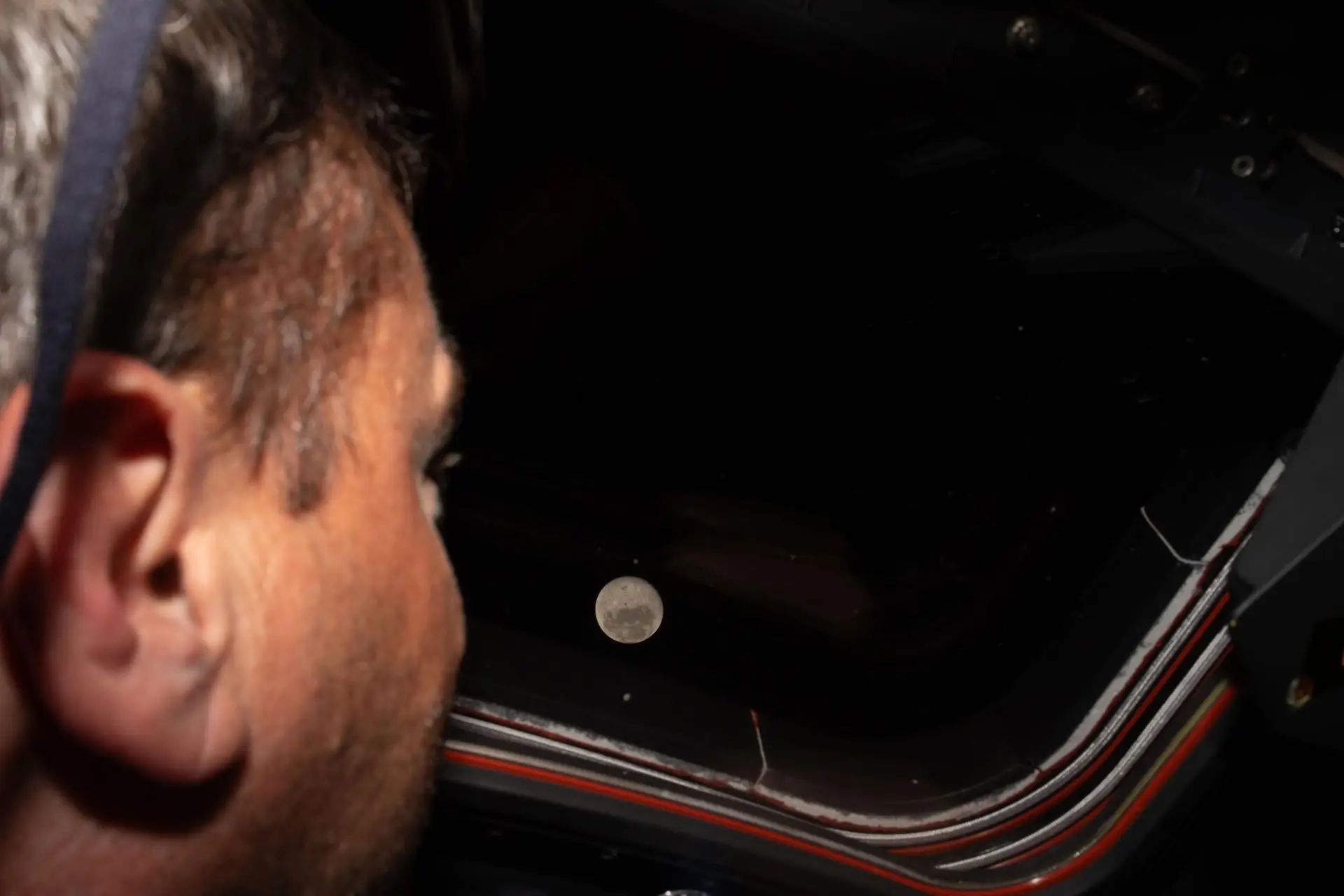
The crew look out of the Orion as they close in on the Moon
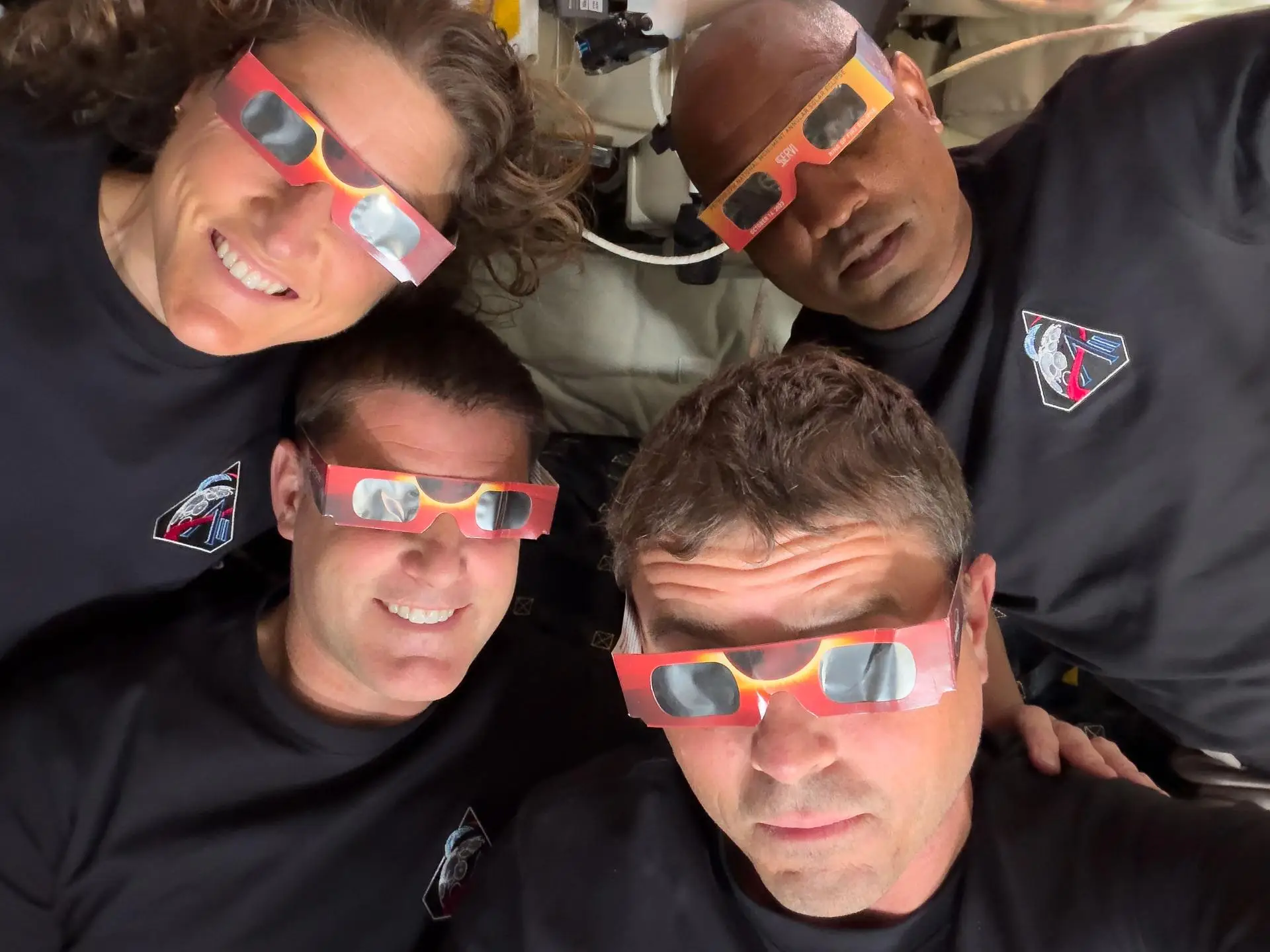
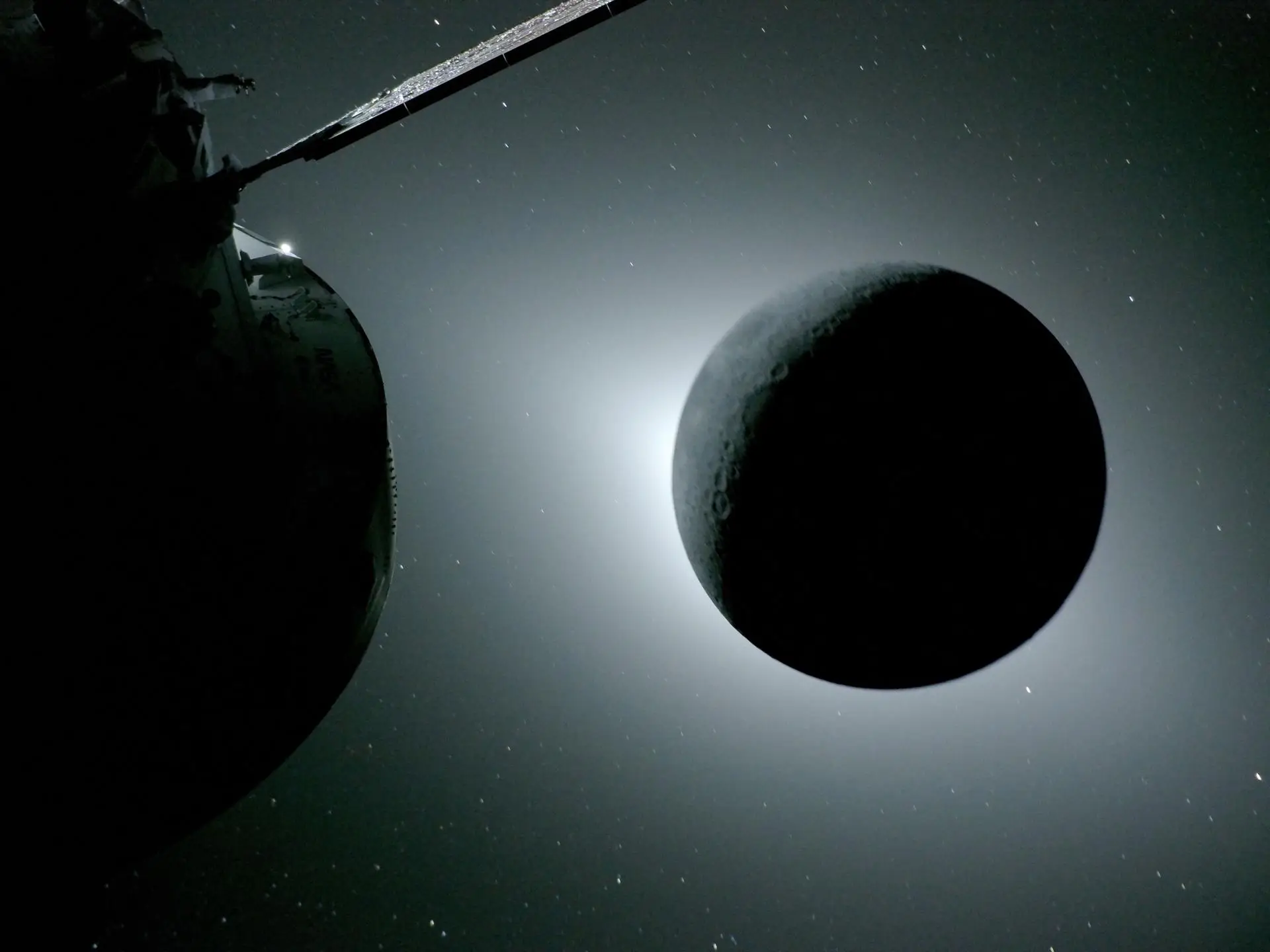
Time for a solar eclipse
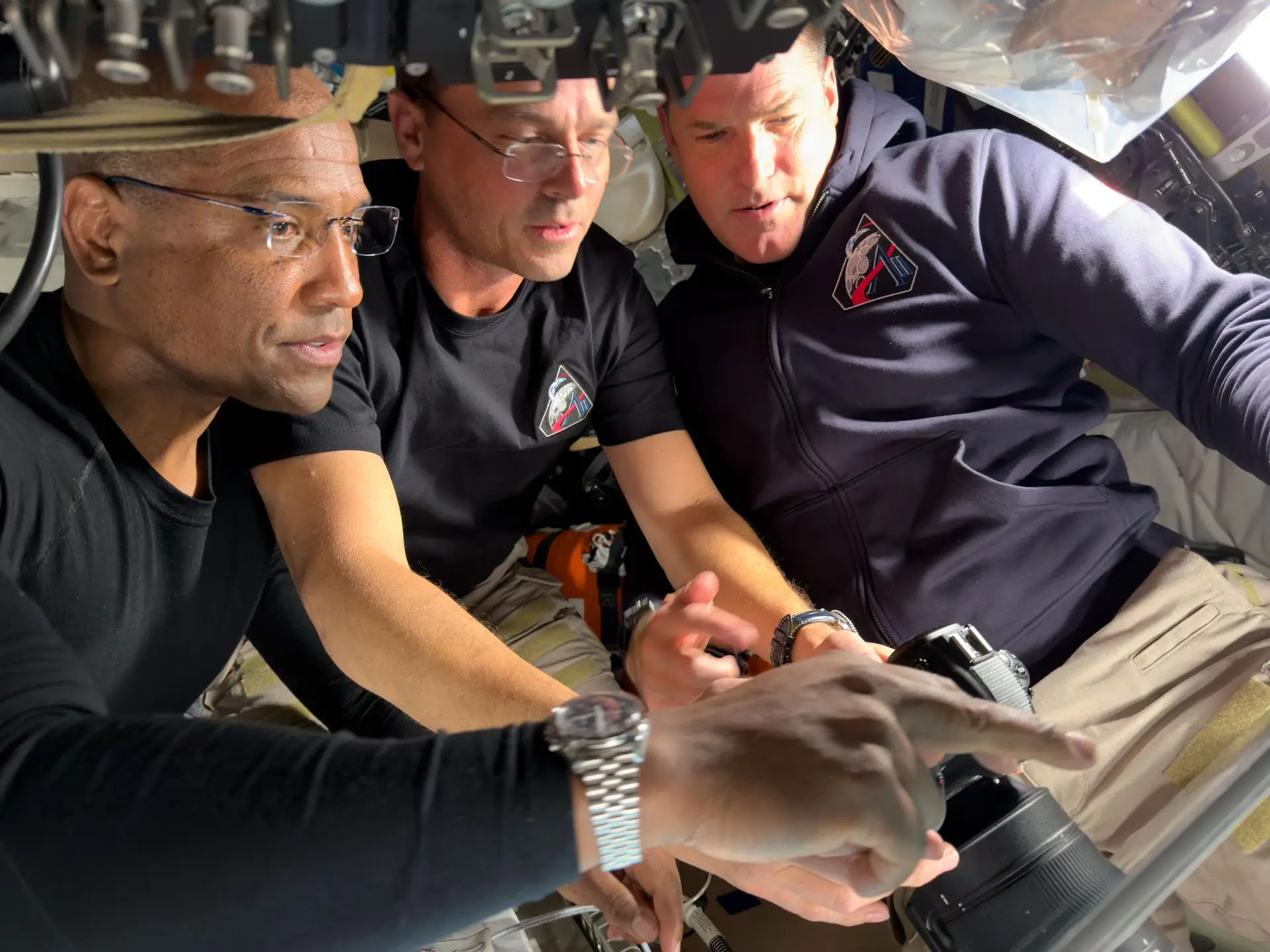
The crew prepare their cameras for their journey around the far side of the Moon
An in-depth look at the lunar surface
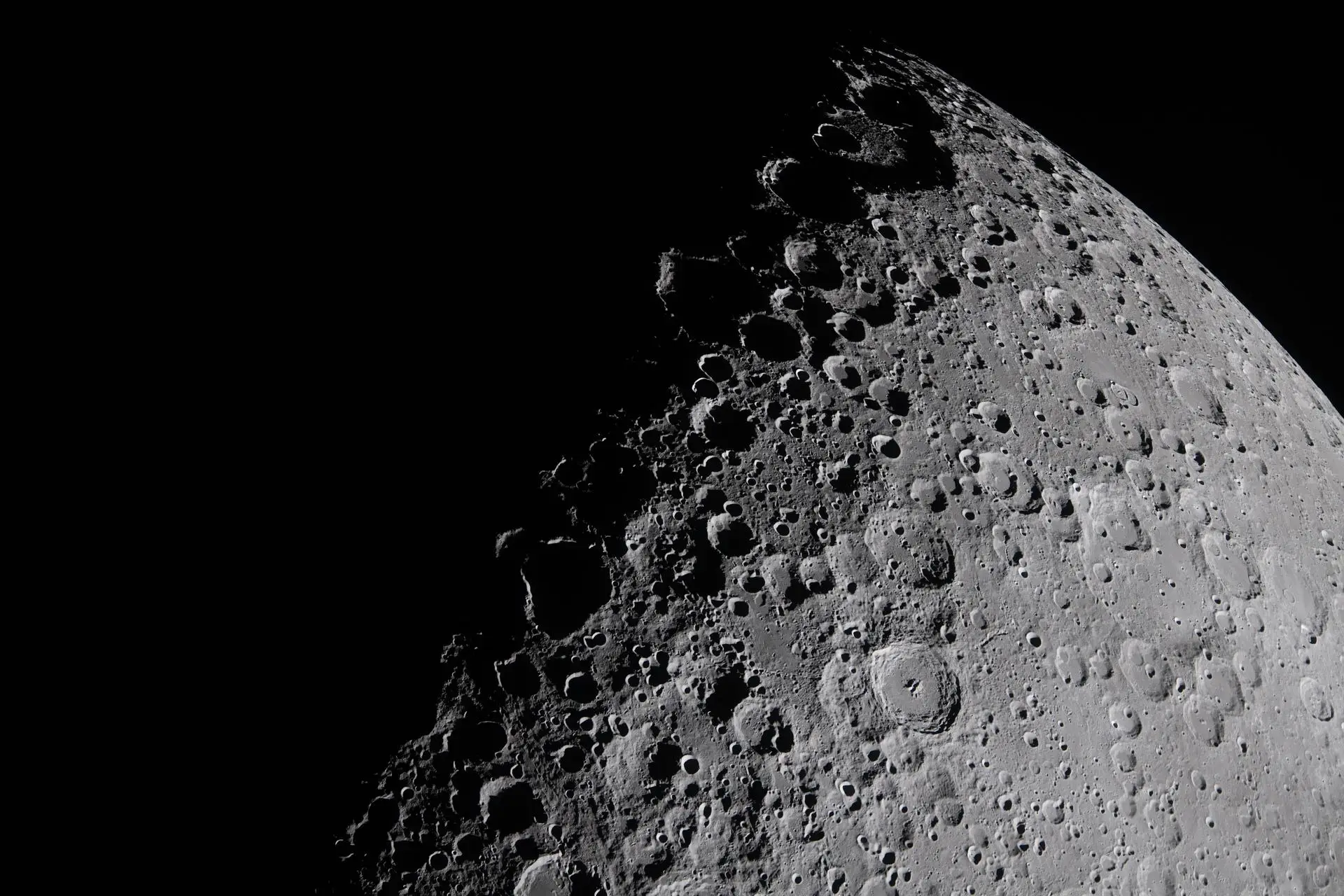
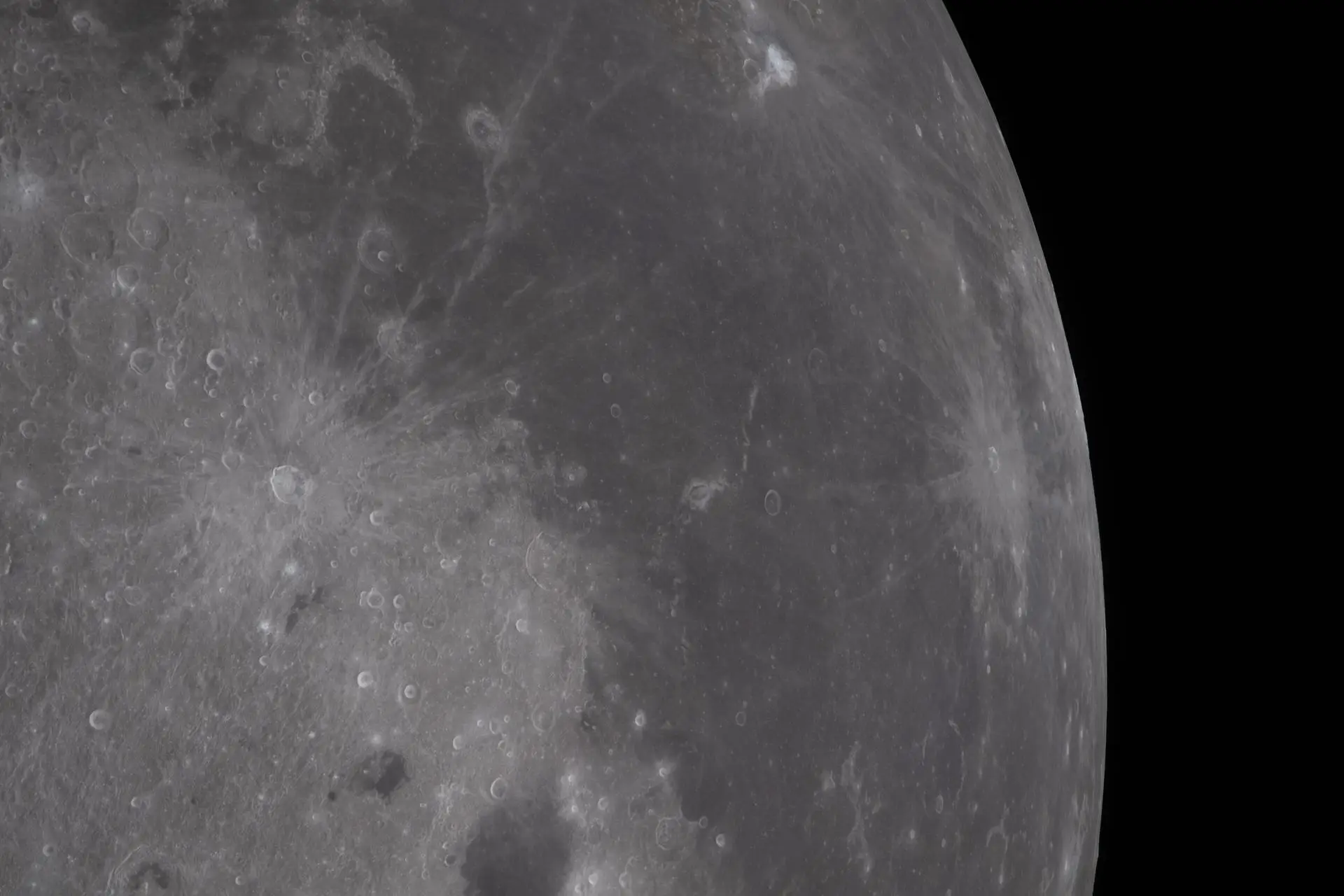 A cross section of lunar geology (NASA)
First photo taken from the far side of the Moon
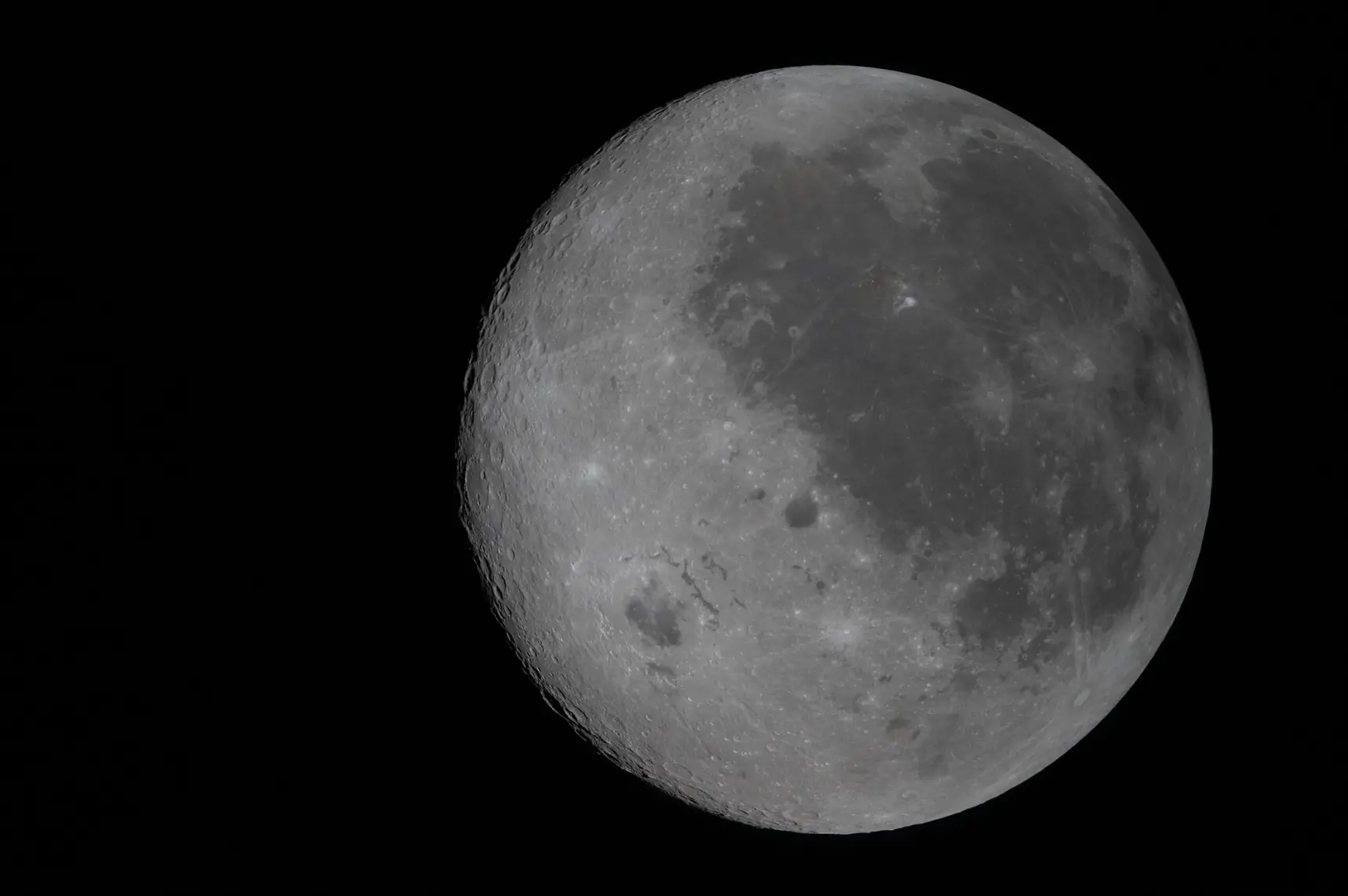
A full view of the Moon
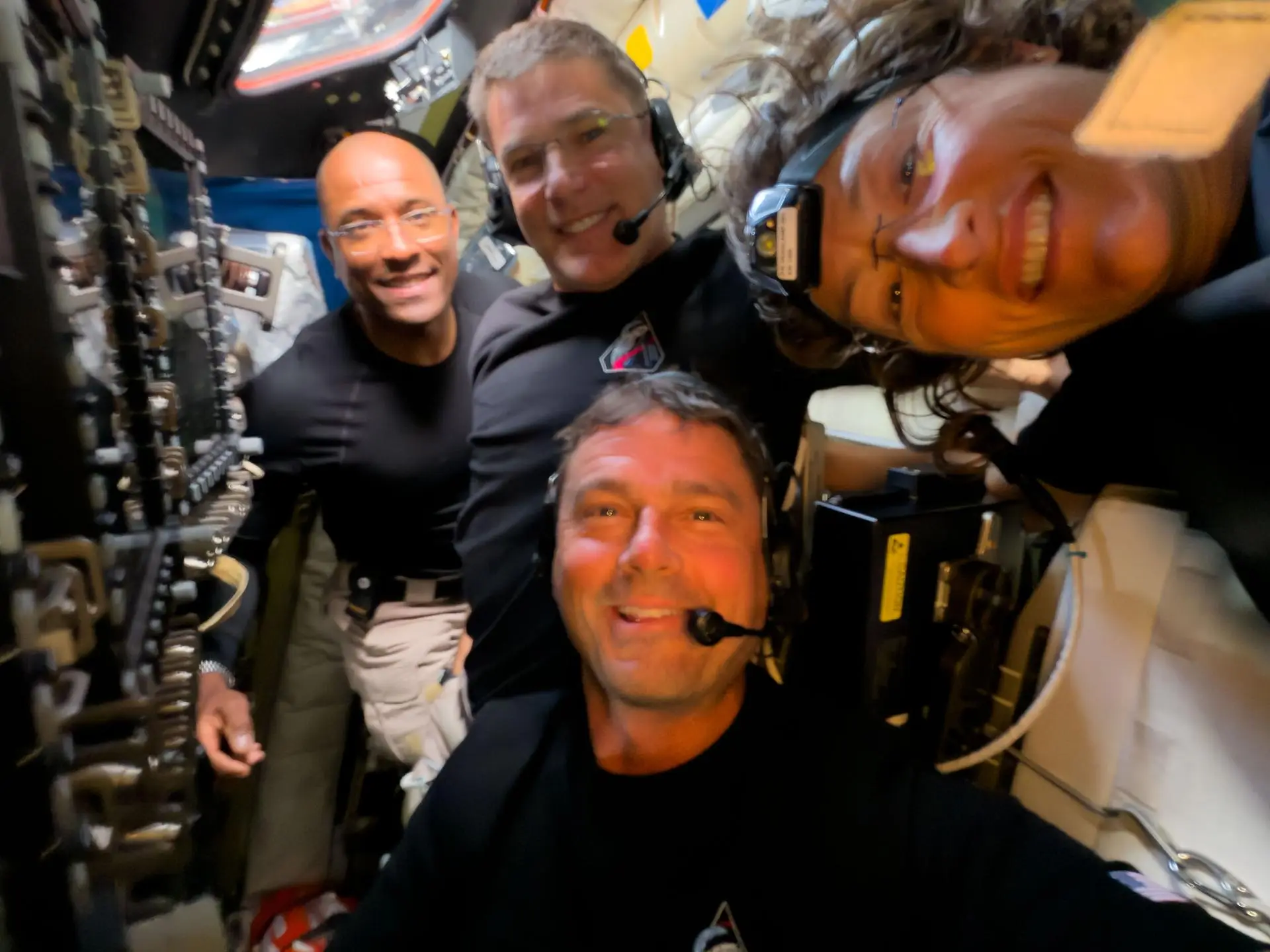
Time for a space selfie
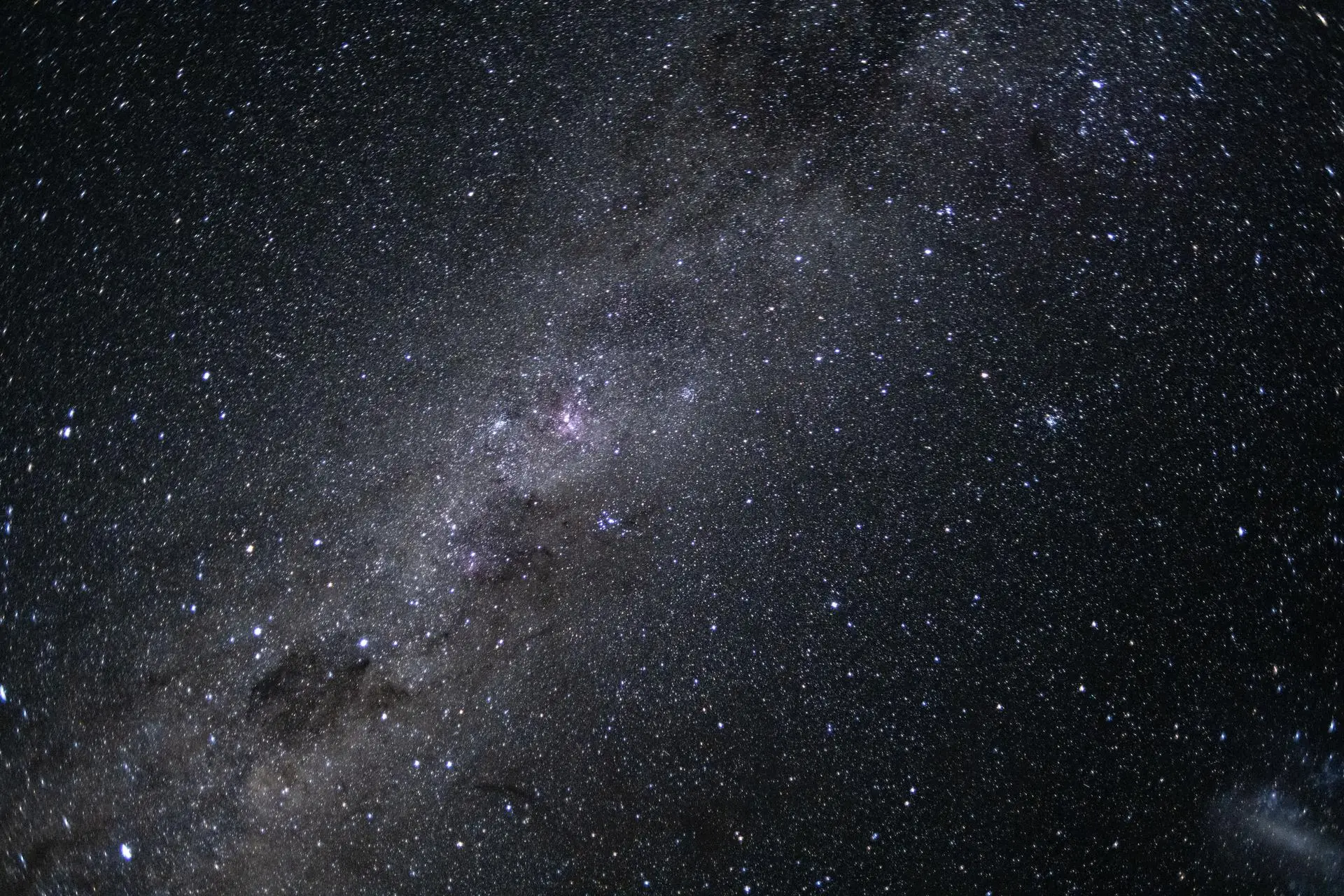
A quick pit stop to snap the Milky Way
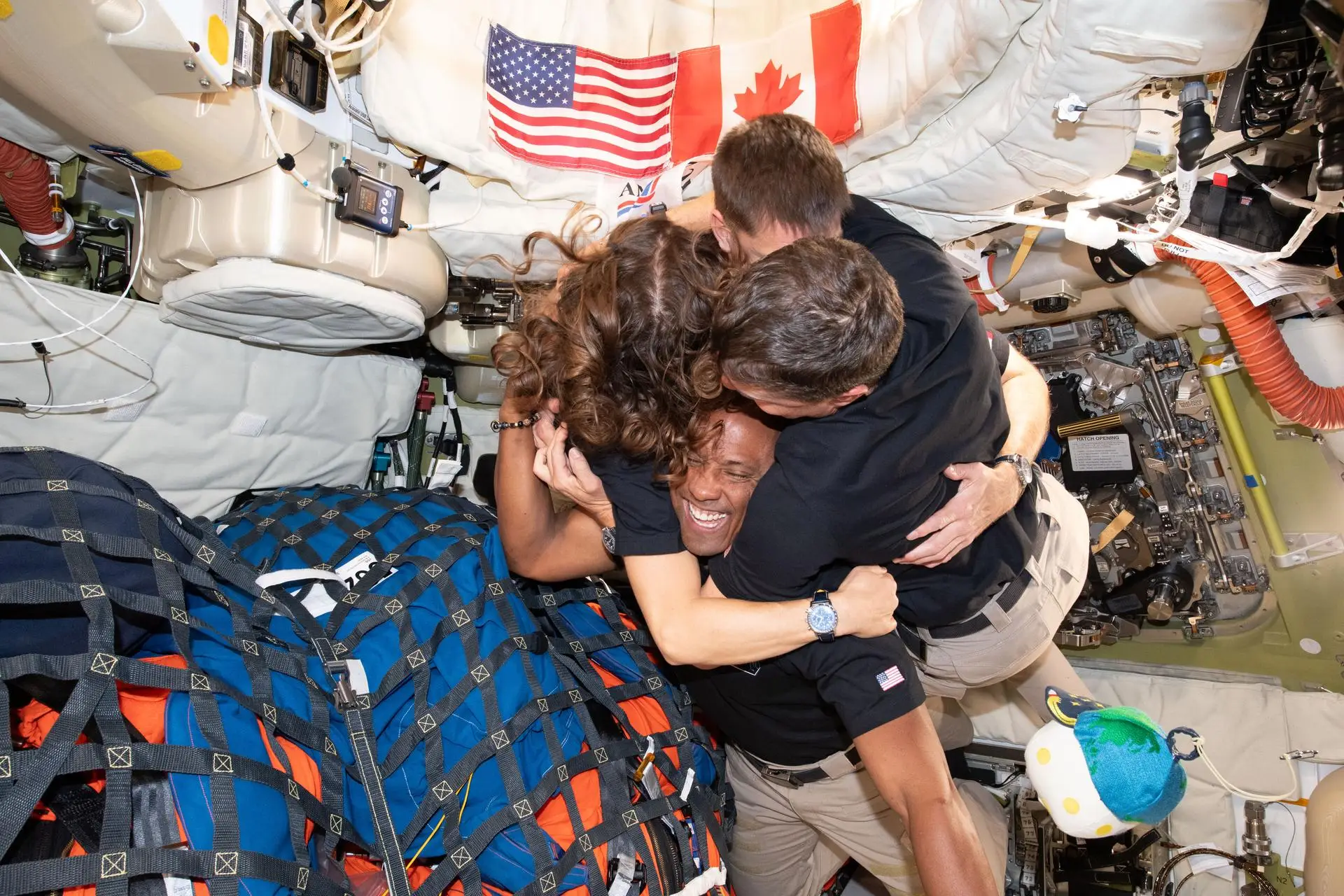
A space hug
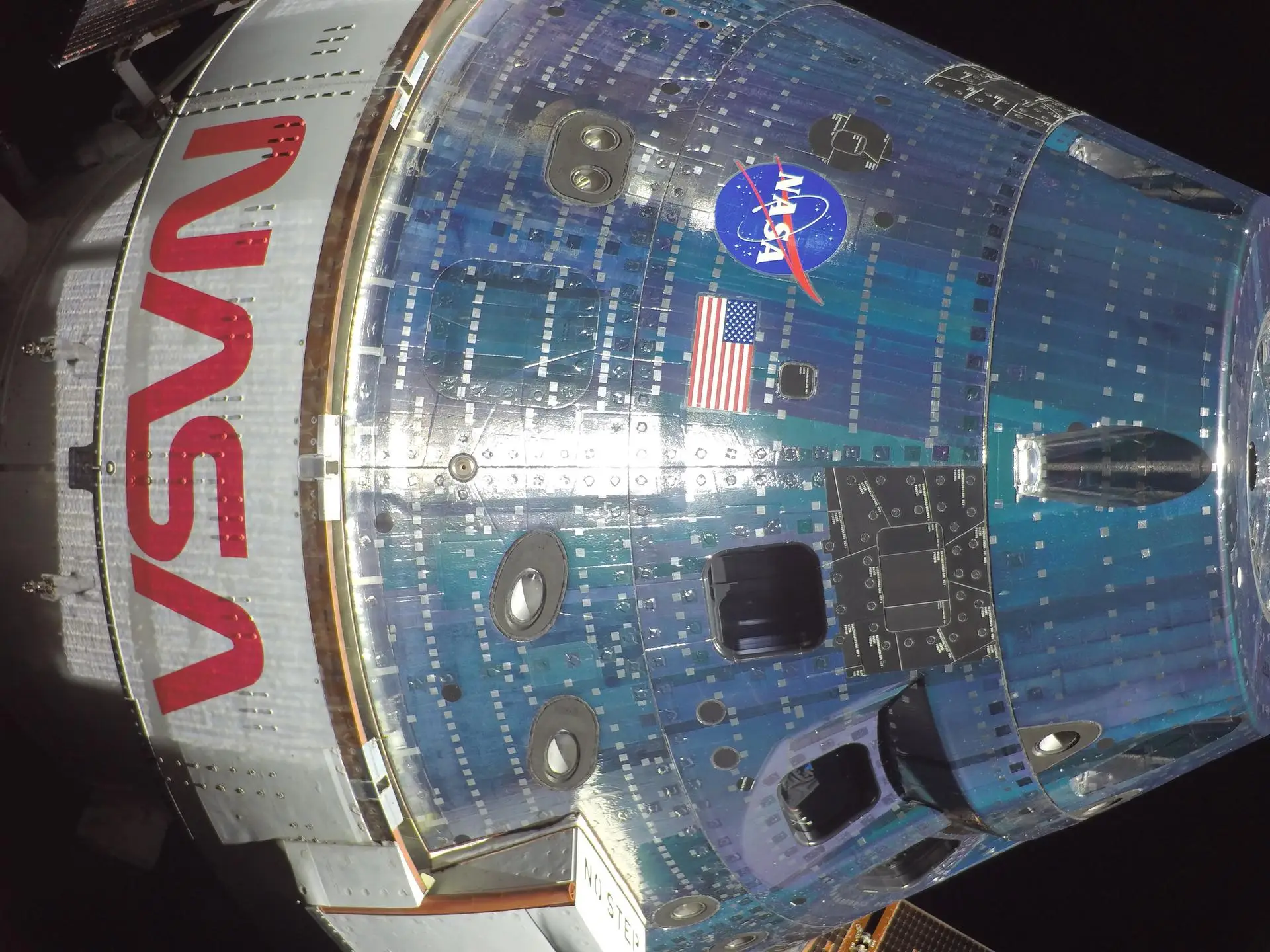
NASA’s Orion spacecraft in full view among the stars