Eye-watering cost revealed for NASA’s historic Artemis 2 journey around the Moon


The astronomical cost of NASA’s historic Artemis 2 journey has been revealed as the four-person crew is set to embark on a 250,000 mile trip to the Moon.
This upcoming mission will see the astronauts travel further into space than any human has ever gone before.
It will also be the first crewed flight around the Moon since 1972 when the Apollo 17 mission set off for the lunar surface.
Artemis 2 will see the crew of four embark on a 10 day trip around the Moon and back, with the earliest potential launch window being as soon as tomorrow (April 1).
Advert
But how much money is the project costing? It turns out that the US-run Artemis program will see the country spend hundreds of billions of dollars, with the nation reportedly having already spent a whopping $93 billion on it.
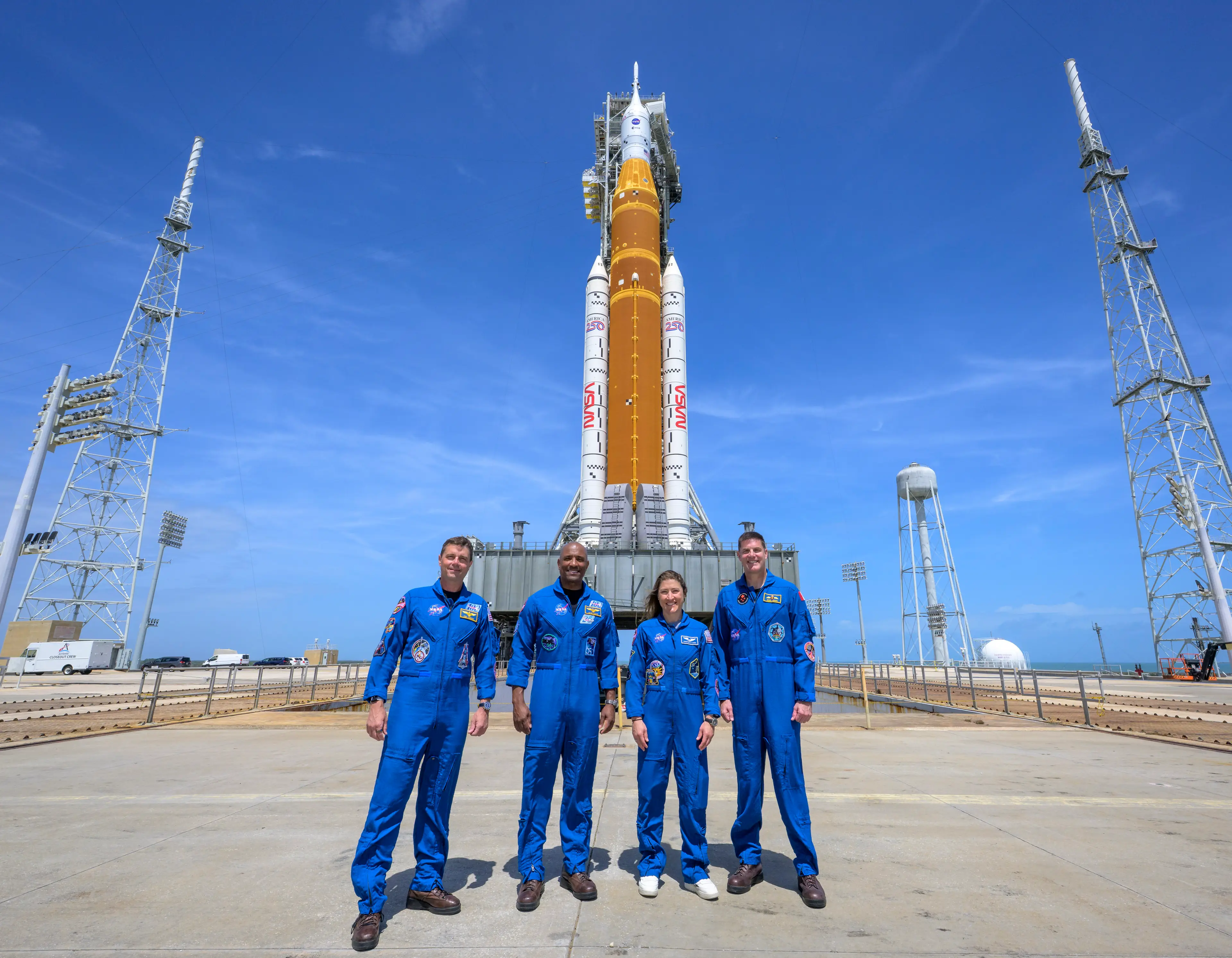
While it isn’t known exactly just how much NASA will spend on Artemis 2, in a report by the organization’s inspector general in 2021, it was revealed that each launch of a Space Launch System and Orion capsule comes with a $4.1 billion price tag.
Now, it also seems that Elon Musk is shifting his focus from colonizing Mars to setting up a lunar colony, and there appears to be a good reason for it.
First up is an obvious logistic bonus to focussing on the Moon instead of Mars - it is much closer to Earth.
While a trip to the Moon takes just two days one way, Mars is much more difficult to get to, with specific launch windows only opening up once every 26 months.
The Moon offers much quicker logistical access than the Red Planet, which in turn reduces risk, cost, and the reliance on infrequent planetary alignments.
Musk can achieve his colonization goals faster on the Moon
With easier access, the tech mogul will be able to achieve his dreams of space colonization much quicker than he would if he kept his sights on Mars.

Musk has previously expressed that he believes a ‘self-growing’ city on the lunar surface could be established within the next 10 years, but a similar project on Mars would take more than 20 years to complete.
It is more realistic to focus on the Moon first
Simply put, there is a demand from NASA to support the organization in its bid to put humans back on the Moon.
By shifting focus away from Mars, Musk is able to generate more revenue for his space company SpaceX by taking on government contracts to meet these needs.
However, this doesn’t mean that Musk has completely forgotten about Mars, instead he has said he has hopes to work on both projects within the next five to seven years, with the Moon taking a priority for now.