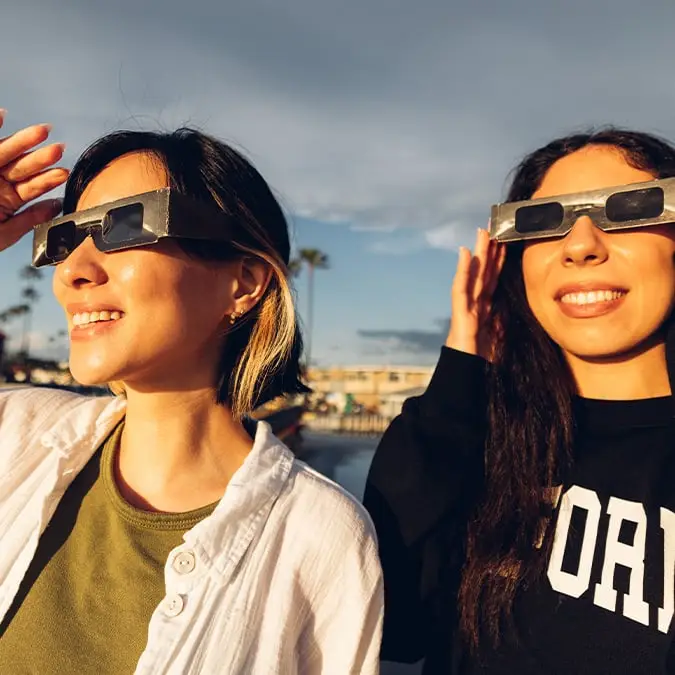
Doctor shares main signs of eye damage to look for after watching solar eclipse

Stargazers across Europe are anticipating the first eclipse that the continent has had in nearly three decades.
With the major celestial event expected to take place later today (August 12), many experts are offering advice on how to stay safe while enjoying the spectacle.
This is due to the health risks around looking at a solar eclipse without proper eye protection.
Doctors are warning the public that severe eye damage can occur after looking directly at an eclipse without the use of specialist glasses, with some effects being permanent.
Advert
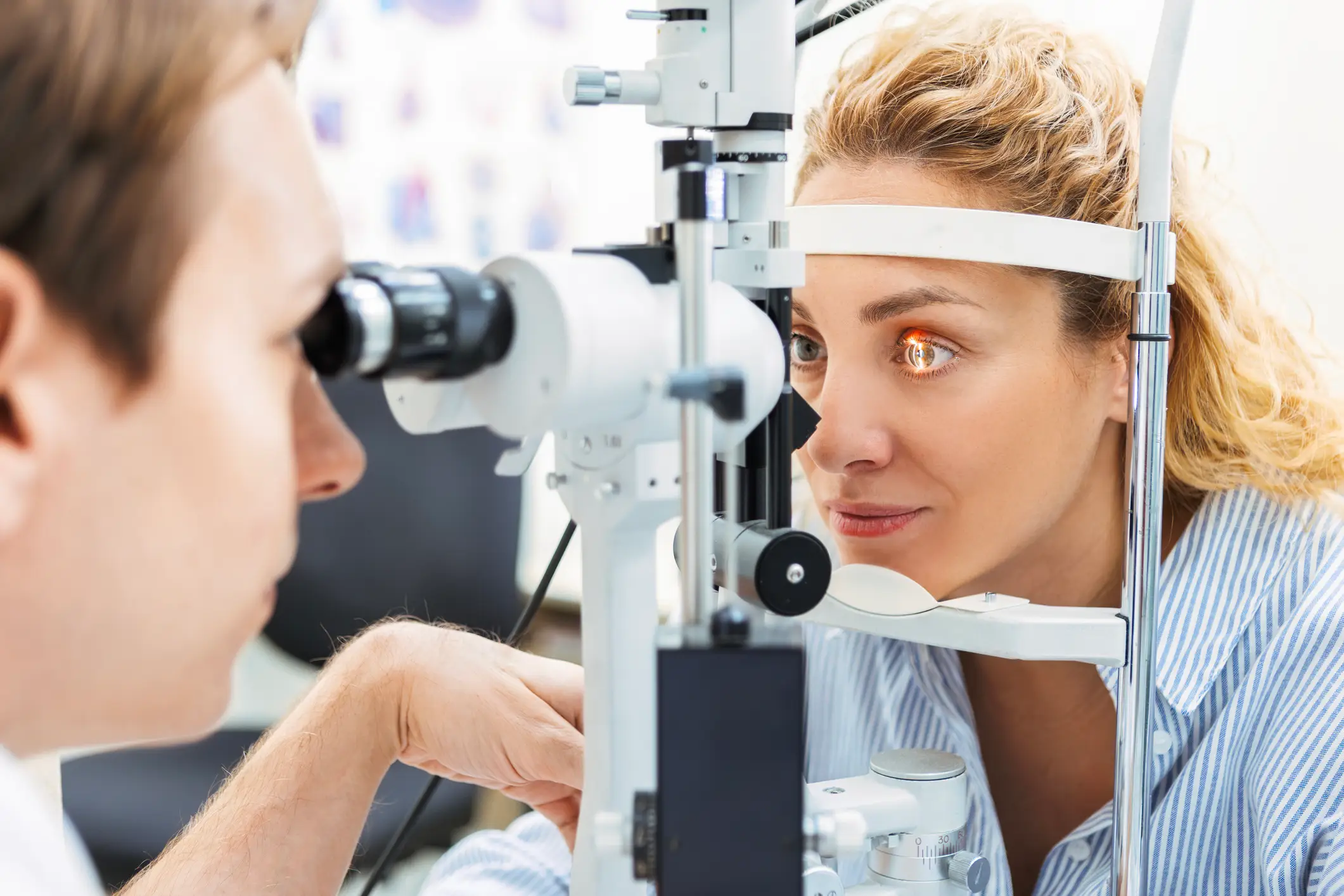
Dr Azeem Majeed, a GP, spoke to the Daily Express, where he revealed that looking at the Sun for even a few seconds can cause serious damage to the retina.
Worringly, people might not be aware of the damage caused initially because the retina does not have pain receptors.
The expert explained: “The symptoms won’t often occur straight away, so this is the risk people have, people look at the Sun, the damage of the retina, but don’t actually realise they’ve got a problem until perhaps a few hours later.”
Warning signs of eye damage after the solar eclipse
Warning signs to look out for if you fear you might have eye damage include blind spots in your vision, blurred vision, distorted sight and reduced colour perception.
Azeem continued: “What you might find is that you’ve got blurred vision, and then in more severe cases you’ll have a blind spot, potentially where the retina was damaged, or distorted vision, reduced perception of colour, these kind of problems.”
First solar eclipse in Europe in nearly 30 years
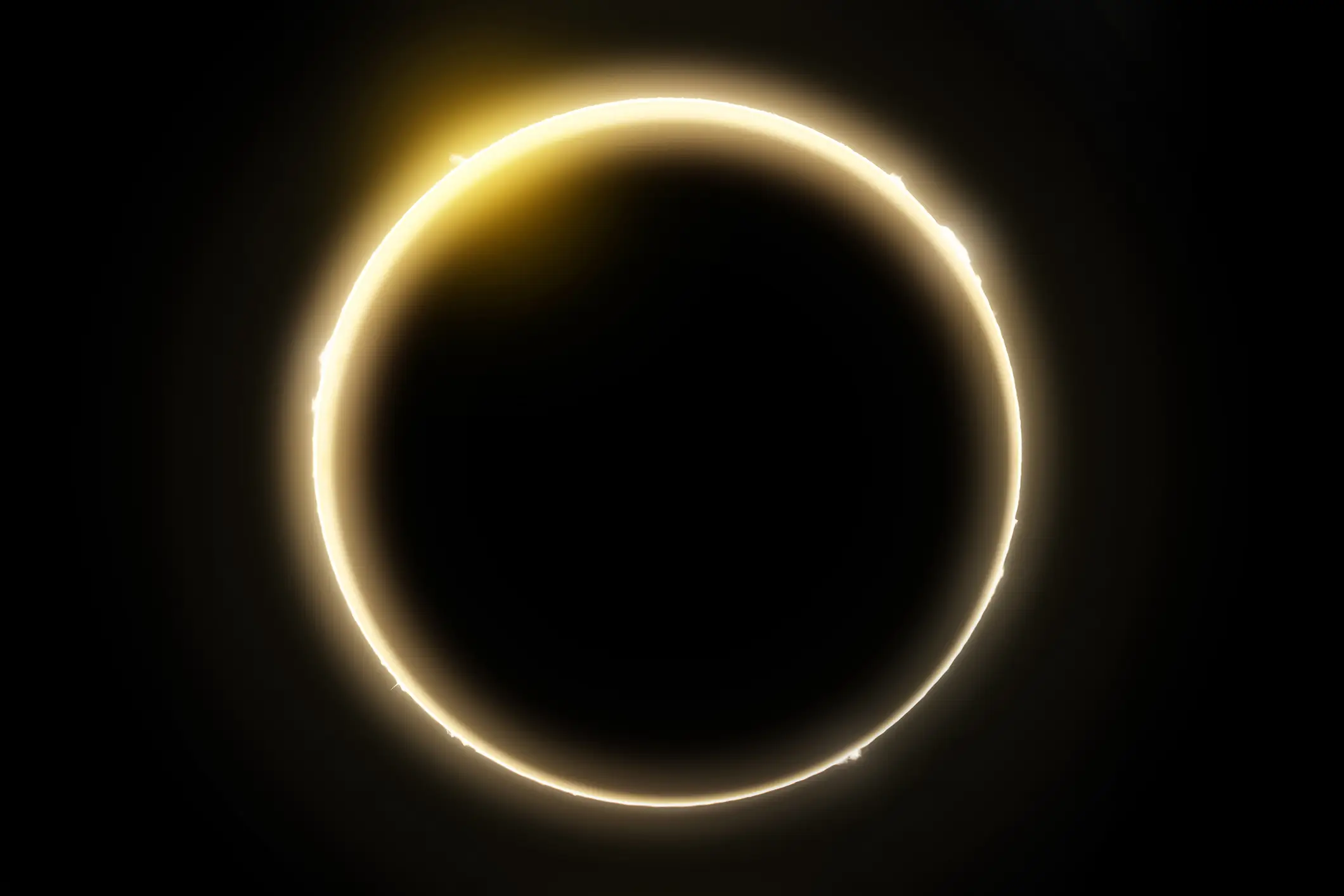
The event will be visible across the continent from 6:13pm British Standard Time, with the likes of Spain, Iceland and Greenland expected to be able to view it in totality.
The rest of Europe will get a partial eclipse, with the UK and Ireland set to experience a large partial eclipse which will cover over 90% of the Sun.
The last time this part of the world experienced a major solar eclipse was back in August 1999, with France, Germany, Austria, and parts of the UK getting a spectacular partial-to-total view.
The excitement surrounding the event has led to eclipse glasses shortages across the UK, with many scrambling to get their hands on a pair before the event kicks off.
NASA will also be streaming the event live for people to watch, which can be found on X, formerly Twitter, as well as the agency’s YouTube page and on the official NASA website.