Why the 2027 eclipse will be the most significant in over a century


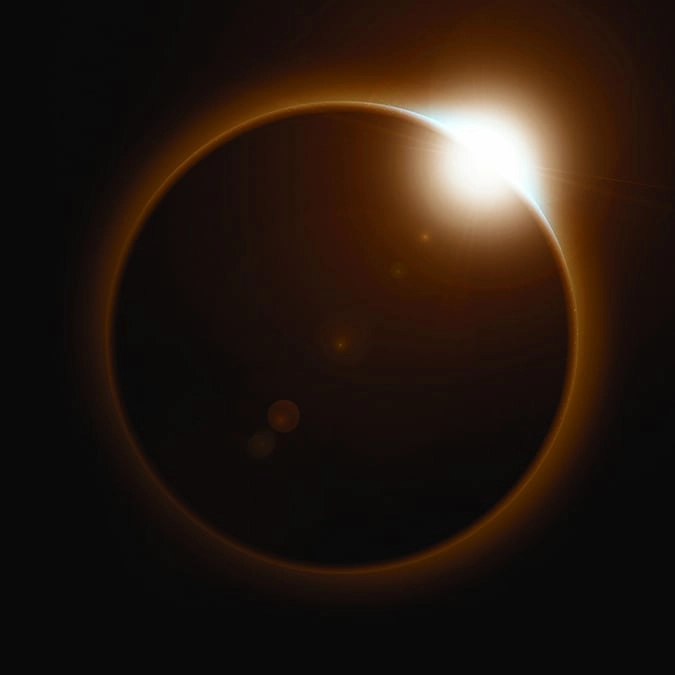
With the internet excited about multiple major eclipses in recent weeks, next year’s solar eclipse is set to become the most significant one in over 100 years.
This comes just weeks after Europe experienced its first total solar eclipse in nearly 30 years and the US saw a lunar eclipse.
Now, next year’s solar eclipse is being nicknamed ‘Eclipse of the Century’, but why is it set to be so significant? This is because it will be the longest visible eclipse we will see until 2114 - effectively making it the only one in our lifetime.
This eclipse will be visible in totality in Cadiz, Malaga, and the coast of Almeria and Granada in southern Spain, Gibraltar, Saudi Arabia, Yemen, Somalia and parts of Northern Africa including Morocco, Tunisia, Libya, Egypt. It can also be viewed from some islands in the Indian Ocean.
Advert
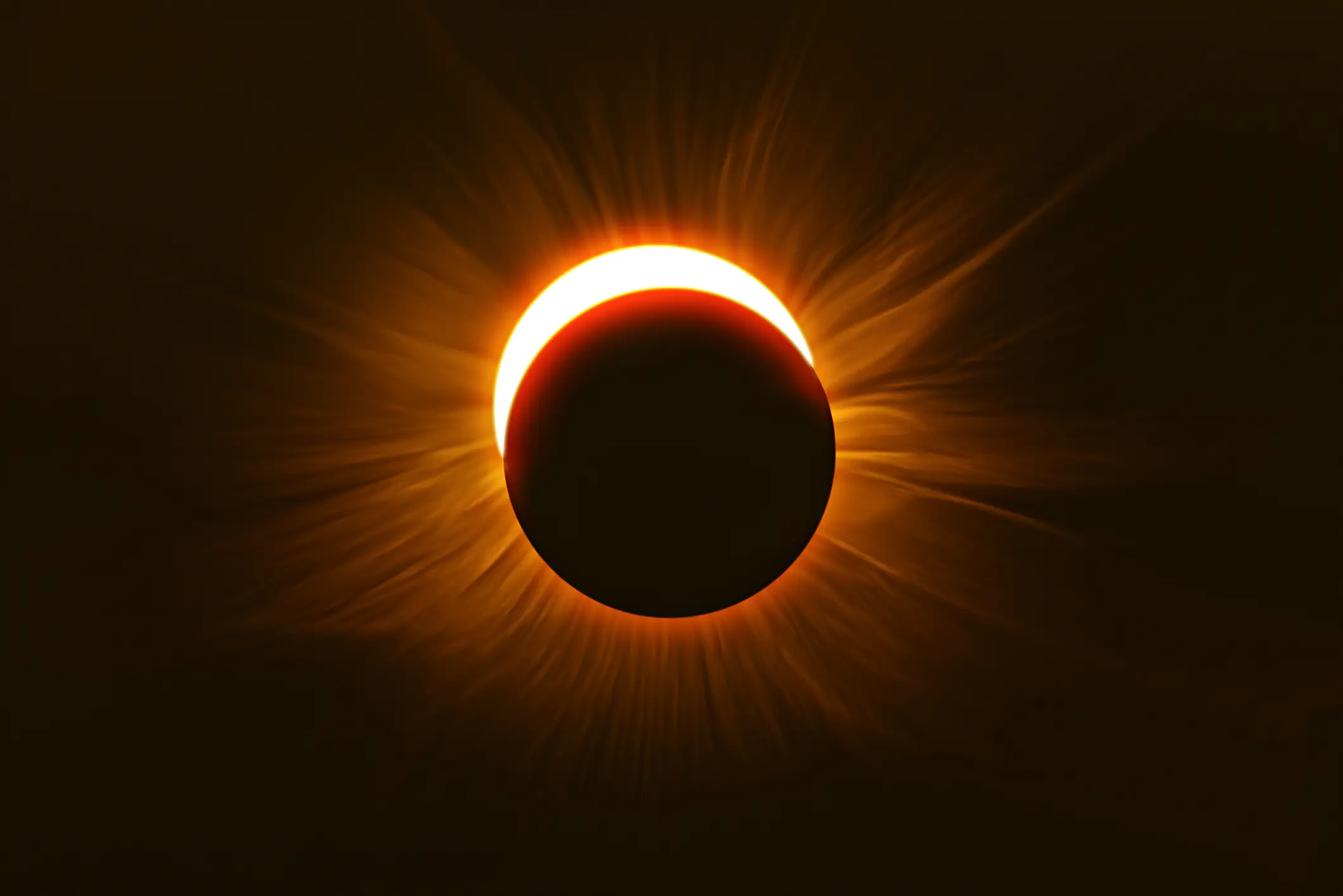
This will be a particularly unique spectacle due to how long the eclipse will be visible, with its maximum duration of totality expected to be observed in Egypt for around 6 minutes and 22 seconds.
This will make it the second longest total eclipse in this century, with the longest one having happened in July 2009 lasting six minutes and 39.5 seconds.
However, unlike next year’s, the 2009 one occurred over the Pacific Ocean where the longest duration took place over the uninhibited North Iwo Jima island, where people are not allowed to visit.
This time though, people across the north of Africa and further afield will get a speculator show.
However, if you want to witness it then this is your one chance to see an eclipse this long, because a longer solar eclipse won’t be occurring until June 3, 2114.
Many people have taken to social media to share their own reactions to the news, with one person writing on Reddit: “Worth noting what makes the 2027 eclipse scientifically significant beyond its duration. The path crosses the Sahara Desert and the Red Sea — regions with exceptionally low cloud cover probability. The 2024 eclipse over North America had significant cloud interference across large portions of the path. For solar physicists the 2027 eclipse offers an unusually long totality window of approximately six minutes twenty seconds at maximum — the longest since 1991.”
Another said: “I wonder how many folks have an Air B'n'B booking squared away and will find - closer to the time - it will be cancelled due to a 'technical error'. Sorry! New price! 3x.”
A third person commented: “6 minutes of totality over Luxor feels like its going to awaken something. Maybe I watched the mummy too much as a kid though.”
And a fourth joked: “Eh, I am going to wait for the 2114 one.”