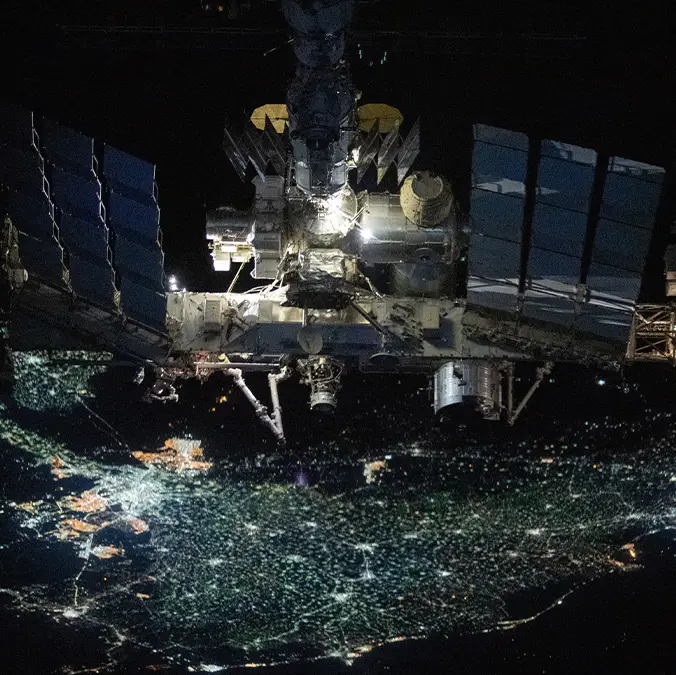
Scientists sound the alarm over the environmental impact of NASA’s plan to deorbit the ISS


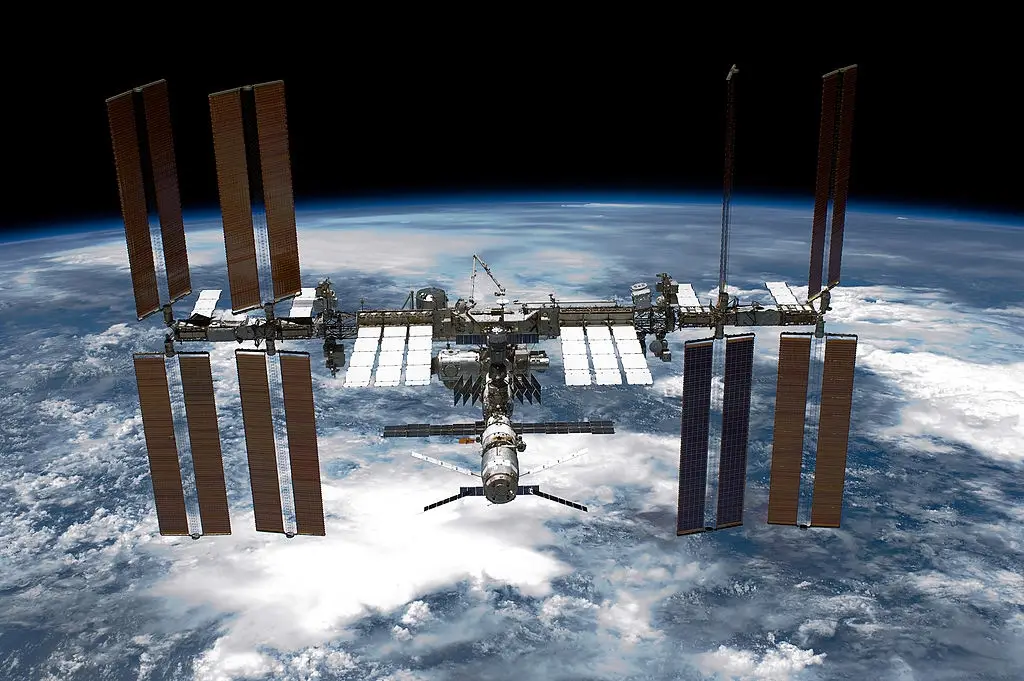
We've only got a few years left before the International Space Station (ISS) is officially decommissioned, yet experts have expressed concern over the environmental impact of NASA's plan to deorbit the station into the ocean.
It won't be until at least 2030 that the ISS actually falls down to Earth with the help of some SpaceX thrusters, but some scientists are already doing as much as they can to prevent NASA from causing damage to the environment.
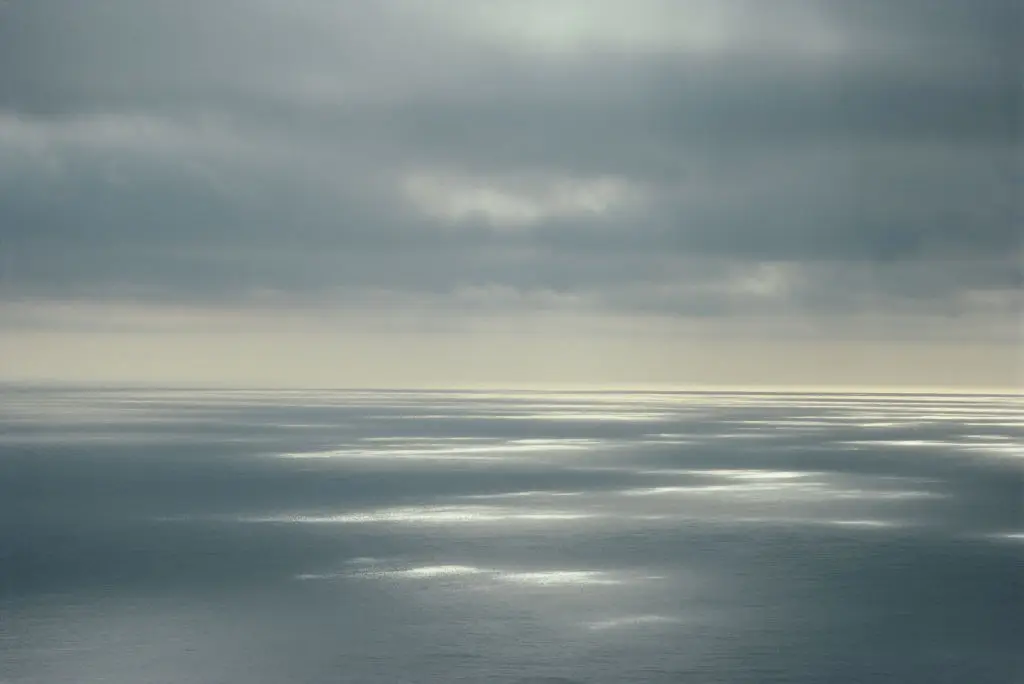
Landing in Point Nemo – one of our planet's eight poles of inaccessibility – the ISS will join numerous other pieces of space tech in what's come to be known as a spacecraft cemetery, and this is all to avoid the risk of collision with civilization.
Experts at NASA will meticulously plan out the ISS' trajectory to ensure that it not only enters at the right speed to break up into smaller pieces, but also to accurately place it within a point that's as far away from anyone on Earth as possible.
What is the environmental impact of the ISS deorbit?
What has emerged as another issue, however, is the environmental impact of this procedure, as while it avoids immediate risk to life on Earth, it could perhaps have long-term negative consequences.
Advert
As reported by Space, experts from The Ocean Foundation have pointed towards a loophole in the planning for deorbit, highlighting the disparity of consequences between land and ocean when it comes to preservation.
While the Space Liability Convention of 1972 indicates that NASA must compensate another country if any space debris lands there, the same level of care isn't given to the ocean despite the destructive impact that a deorbit can have on marine life and ecosystems.
"As a result, when space agencies have control over where the debris falls, they aim for the high seas, and in doing so, they incur no legal obligation to pay for cleanup or environmental remediation," warned Mark Spalding, president of The Ocean Foundation.
He added that NASA's plans for the ISS raise "serious concerns for ocean health that the space community has not adequately grappled with," arguing that "the ocean's remoteness from human infrastructure should not be mistaken for a lack of value or vulnerability. The ocean and its creates deserve the same protection that international law affords to national territories."
How harmful will the ISS be for ocean life?
While those at NASA would likely point towards the likelihood of the ISS burning up upon reentry, it remains unclear exactly how much of the debris will persist through this process and the damage done to the ocean increases exponentially with this.
When assessing the potential risk to marine life, Spalding admitted that there's no way to fully know what will happen until the deorbit actually takes place.
"The honest answer is, we don't fully know. That is deeply troubling for a structure the size of a football field," Spalding revealed. "We do know that not everything burns up on reentry. Denser components will survive and reach the seafloor."
As a result, The Ocean Foundation has called for NSA to complete a full environmental impact assessment which would estimate the expected damage to the ocean following the ISS deorbit.
This would provide a declaration and disclosure of all the materials that are likely to survive the fall, alongside a call for space agencies and government bodies to better preserve the ocean in instances like this.
"We believe this gap in international law needs to be closed," Spalding declared, "and the ISS deorbit is a vivid illustration of why."
NASA has not yet issued any response to this call for action, and it remains to be seen whether any affordances will be made considering the current legality of the procedure, despite the potentially dubious ethical and moral position.