NASA trying to solve mysterious health condition causing 70% of ISS astronauts to lose their sight


NASA has partnered up with an eye-scanning tech startup in a bid to solve an issue plaguing around 70% of astronauts, as entering space appears to trigger a significant health risk that ends with the loss of sight for many.
Referred to as spaceflight-associated neuro-ocular syndrome, or 'SANS' for short, this health condition covers the various changes that astronauts experience to both their eyes and brain after spending a prolonged period of time in low-gravity environments.
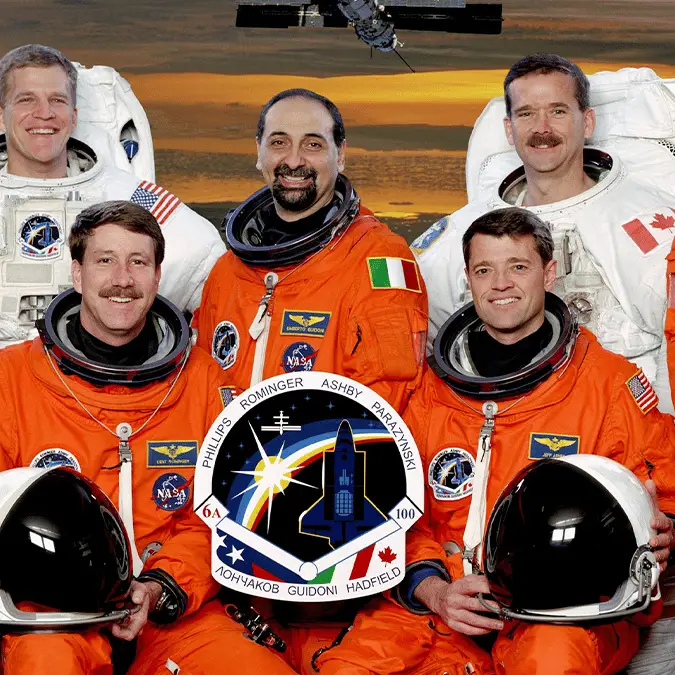
Nearly three quarters of all astronauts to have spent time on the International Space Station (ISS) have suffered from some form of SANS, with John Phillips proving to be one of the more notable cases as his vision changed from 20/20 to 20/100 — representative of a moderate visual impairment, as per WIRED.
It appears to trigger when bodily fluids suddenly become unaffected by gravity, with the damage to your eye health likely caused by the eyeballs being 'squashed', the swelling of optical nerves, and the pushing forward of the retina.
Advert
While this remains a dangerous issue facing astronauts right now, the prospect of extended stays in space in conjunction with expanded Moon exploration efforts make this one of NASA's biggest challenges, especially as the risks and damage only increases the longer you go without 'normal' gravity.
That's why the leading space agency has enlisted the help of eye-scanning startup Siloton, as their high-tech gadget could be the key to keeping on top of health issues in space.
What can Siloton offer NASA?
Key to NASA's partnership with Siloton is the use of its eye-scanning gadget, as this tool – measuring smaller than a coin – includes vital core components that have been shrunk down using quantum technology.
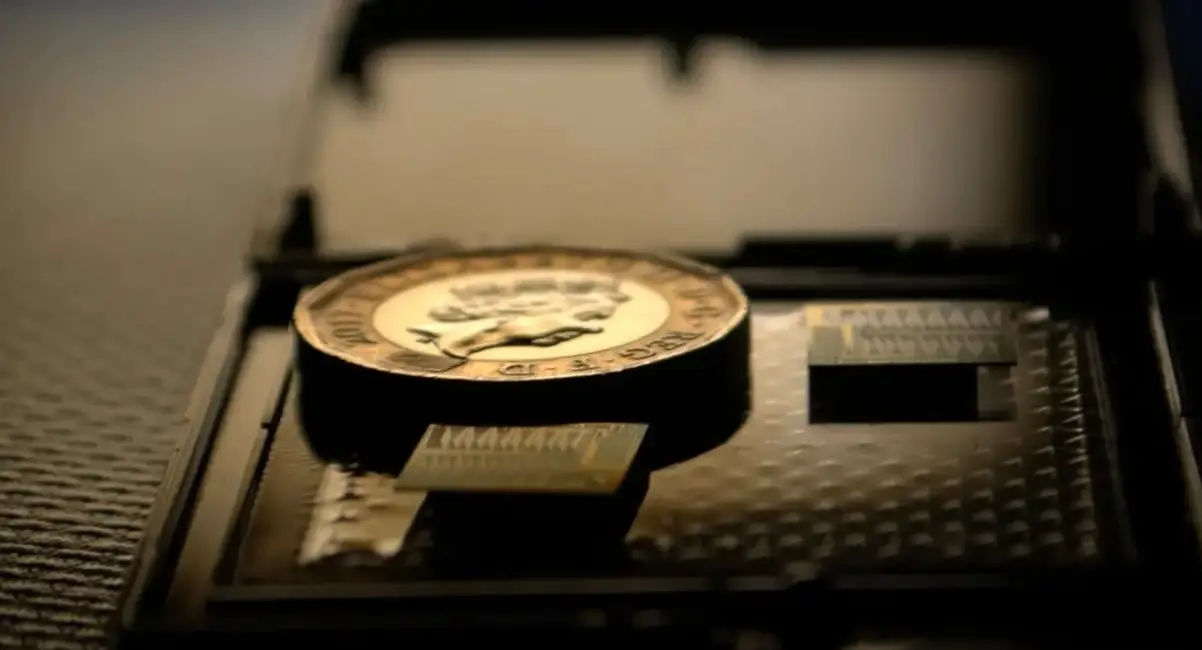
This will allow astronauts to regularly scan their eyes while in space, retaining a consistent measurement of their conditions and helping not only to prioritize their own health but better understand how low-gravity environments interact with our vision.
Before the collaboration with Siloton, NASA and other space agencies relied solely on a modified retina scanning device that proved bulky and difficult to use, but the new gadget requires no on-ground assistance and can generate more data as a result.
Whether the space agency manages to find a solution or progress before the fourth Arrtemis mission remains to be seen, yet it's vital that a way around the major health issue is discovered before humans begin to establish a permanent presence on the lunar surface.
What other health risks do astronauts encounter in space?
Eyes aren't the only area of the body impacted by time in space, as effectively every muscle is severely underworked by the lack of gravity — even with extreme daily exercise routines undertaken by the astronauts themselves.
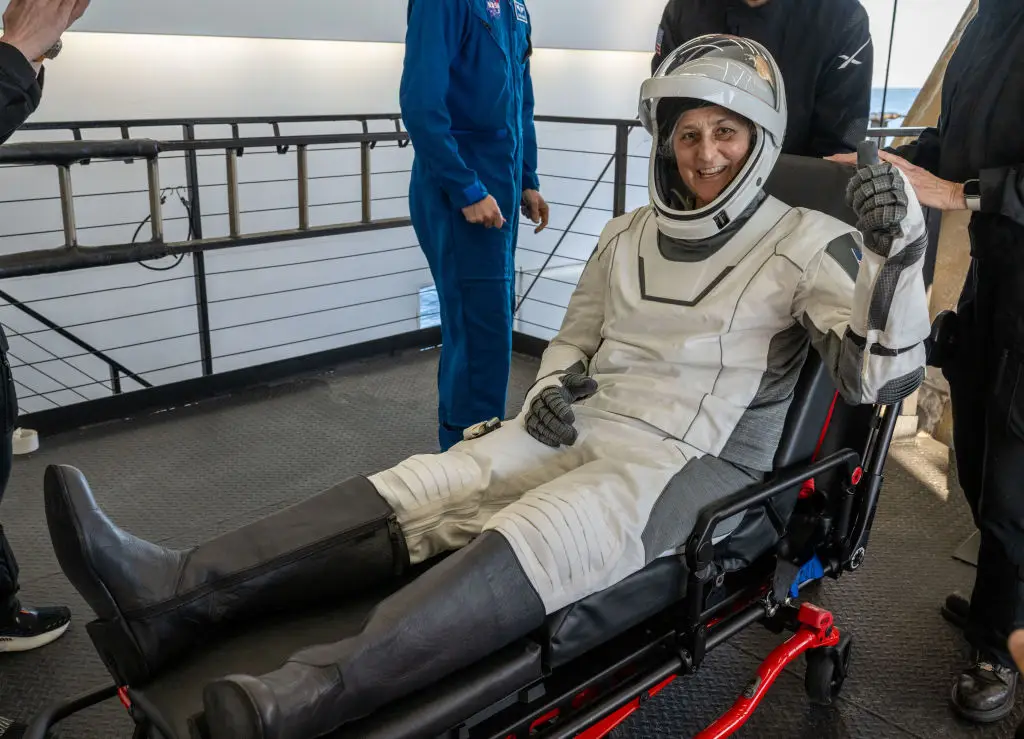
This isn't just limited to the visual muscles throughout the body – although it does explain why astronauts tend to look more gaunt on their return from space – as it critically impacts the heart, lungs, and other vital organs that aren't used to the strength needed to function on Earth.
It's why astronauts have to go through mandatory medical rehabilitation programs when returning from space, as returning their bodies to normal function is far easier said than done.