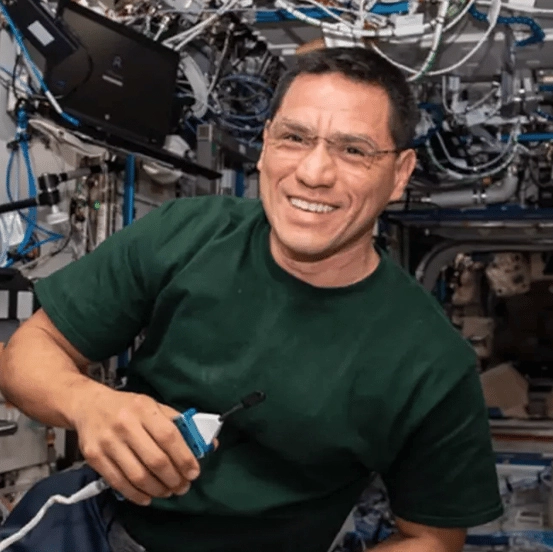
NASA astronaut reveals what a year in space does to the body after spending 371 days away from Earth


Not many astronauts spend a prolonged amount of time in space in one go so not much is known about the effects it can have on the body.
Returning back to Earth - and back to gravity again - can have a mental and physical impact, not to mention the effects felt returning back into society after spending a long time isolated up in space.
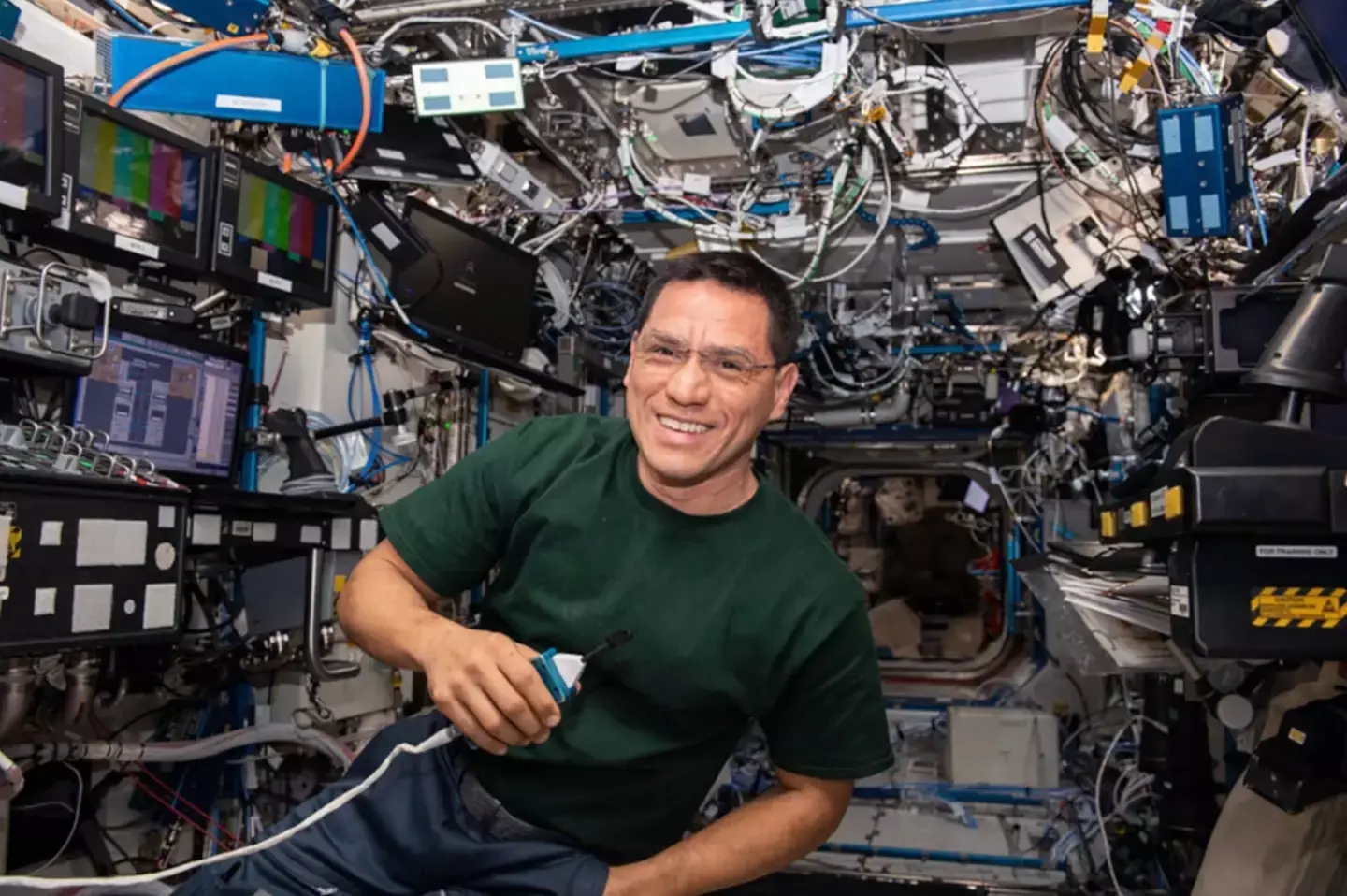
When NASA astronaut Frank Rubio touched down back on solid ground in September 2023 after spending 371 days, it made him the first US astronaut to spend so much time in space.
Advert
He was initially due to do a six-month stint at the International Space Station but ended up staying for over a year when the trip was extended.
Since then, he’s been studied by the NASA medical team to make sure he gets used to being back down on Earth.
Even everyday tasks like standing up and walking around were new to him again after that time.
The lack of gravity up in space means that muscle mass decreases as it is simply not being used, as well as bone loss.
A huge issue facing astronauts adjusting to normal life after a mission is refinding their balance.
Dr Jennifer Fogarty – chief scientific officer at Baylor College of Medicine's Translational Research Institute for Space Health – told ABC News: "How do you coordinate movement like walking, which you haven't done for a long period of time, and then the idea of balance?
“When you put those two together, it can kind of create a little bit of a precarious situation and something that's very well-monitored with the crew members when they land on Earth.”
Longer missions in space mean that the astronauts will take longer to acclimatize back to Earth conditions.
Weightlessness does a lot to the body and can cause structural changes to the eyes and brain, known as Spaceflight Associated Neuro-Ocular Syndrome.

So after 371 days above the atmosphere, Rubio is being assessed by scientists who check his mental and physical health, as well as his immune system, and for changes to his genes.
In fact, the changes to the body can be so tough that NASA prepares astronauts for these effects before sending anyone out into space.
Fogarty added: “We can select people, train them and make sure they're very healthy before they go.
"We do the research to understand where we can make different choices with the environments we build for these people to live and work in, so that we are not tapping into those reserves…and compromising them."