
An asteroid slammed into Earth 3,000,000,000 years ago and we finally know where it hit


We feel older than ever with every creaking hip and cracking bone, but spare a thought for the Miralga impact structure, aka the North Pole Dome. It's been decreed the oldest asteroid impact site in the world.
The problem is, when you're going back some three billion years to the terrible twos of Earth, it's hard to figure out what exactly went down. The world was a very different place then, and remember that the first dinosaurs didn't arrive until some 245 million years ago and Pangaea didn't split apart until 200 million years ago. With Rome's Pantheon being the oldest structure still in continuous use, and only being constructed in 27 BCE, you realize what an insignificant dot on the timeline we really are.
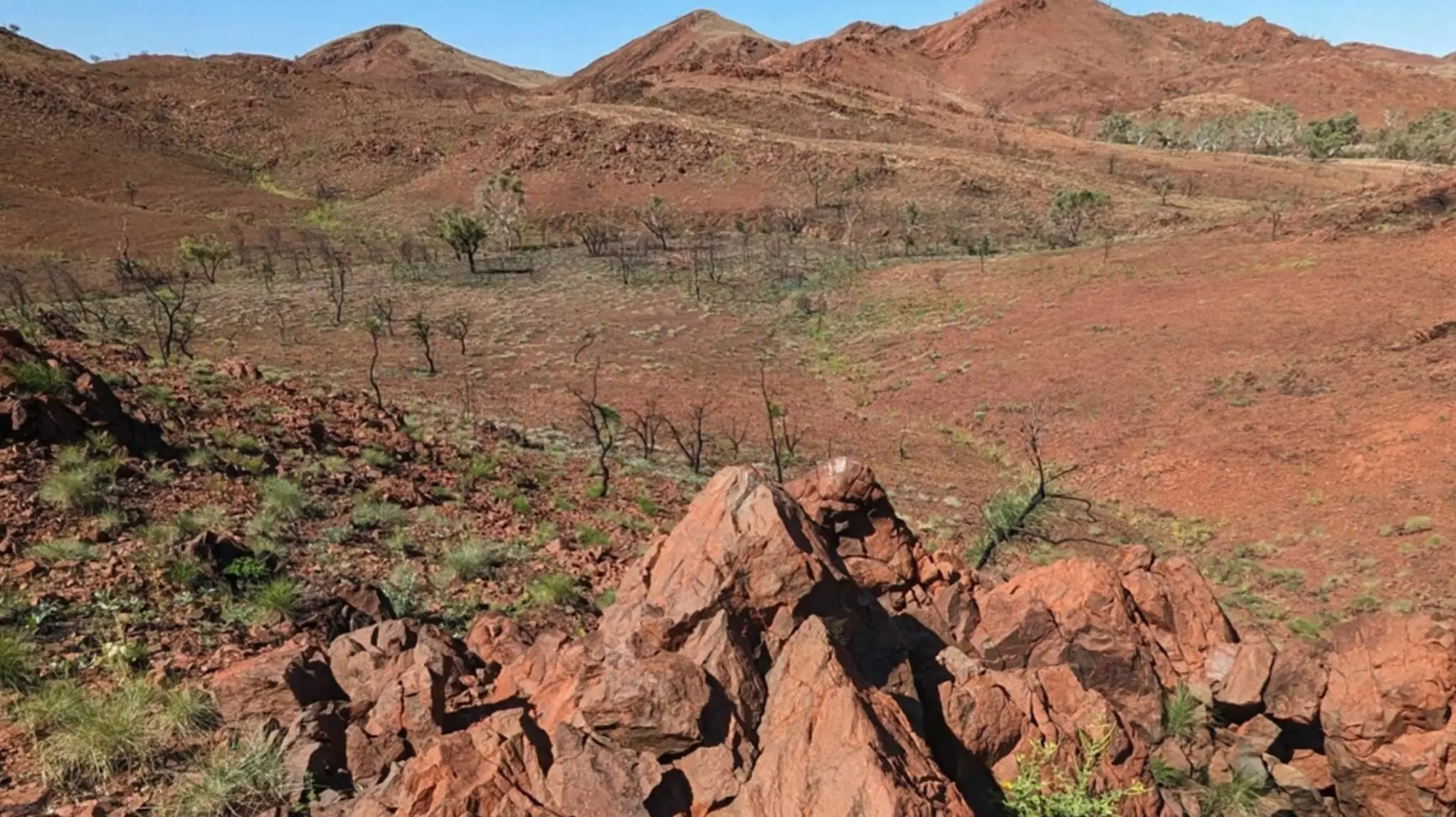
Thanks to innovative research from Curtin University, we're told that ancient rocks in Western Australia’s Pilbara region recorded an impact event that took place during the historic Archean eon. This period spanned 4 to 2.5 billion years ago and was characterized by tectonic plates forming and early life emerging from the ooze.
Advert
With findings published in the Geology journal, we're told the asteroid struck our little planet and left a 'smoking gun'. The first team of researchers placed the Miralga impact structure (also known as the North Pole Dome) at around 3.47 billion years old. This firmly made it older than any impact previously discovered, although a second team stripped that title away when they claimed it was less than 2.77 billion years old.
Undeterred, the original team returned to study crystals in the site's impact structures and gave the Miralga a more conservative 3.024 billion years ago. That still makes it the oldest impact crater discovered on Earth.
Discussing his findings, author Chris Kirkland wrote in Geology: "While the site had previously been identified as an ancient impact structure, its exact age remained uncertain. The impact left a 'mineral clock' behind.
“By dating minerals that were remade or newly grown in the damaged rocks, we can now pin down when this extraordinary event happened.”
The main issue is that dating geological sites from so long ago is tricky due to heat, pressure, and time changing them.
By analyzing the presence of zircon, Kirkland and the team found that some of the mineral formations have branching shapes that were likely caused by the impact, while these skeletal structures were partly recrystalized or regrown by the intense heat.

This was backed up by analysis of apatite, which is typically created when hot fluid moves through damaged rocks. Sure of his findings, Kirkland added: "The agreement between two different mineral systems gives us confidence that we are seeing the signature of a single major event – a meteorite impact."
Previously, it was Western Australia’s Yarrabubba crater that had the honor of being the Earth's oldest impact crater, but at just 2.23 billion years old, it's a baby when compared to the North Pole Dome.
While the Earth appears to have far fewer impact craters than something like Mars or the Moon, it's not just our atmosphere that's said to have shielded the planet. Due to erosion and geological processes, many scientists agree that most of the Earth's impact craters have been wiped out over time.
Impressed with the results, Kirkland concluded: "The new age places the North Pole Dome structure as Earth's oldest known impact crater and the only recognised example from the Archean eon, a time when the planet's earliest continents were forming."