NASA officially sets date for when humans will return to the Moon for the first time in 53 years


Soon we could see the moment that NASA has waited over a century for, as the US space agency has finally set an official date for when humans will return to the moon after an incredibly lengthy absence.
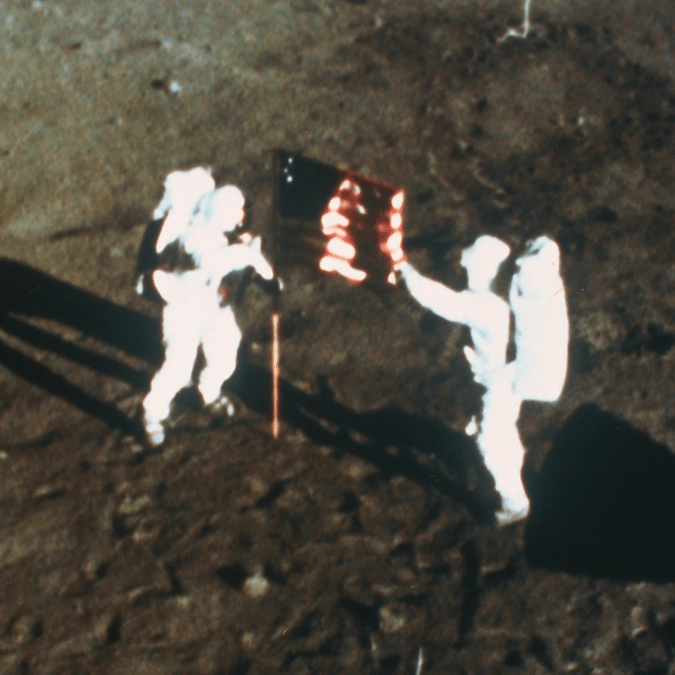
Sending astronauts to the Moon is one of the finest achievements across human history, yet it's been over 50 years since a mission returned there despite all of the advancements made in the decades since Neil Armstrong first made a footprint on the rocky surface.
The 'embarrassing' reasons for this have been revealed to be largely finance and regulation related, especially as NASA has found new focuses over the years, yet it has deprived an entire generation of astronauts from a dream scenario.
However, things look to be on the verge of changing as NASA has now officially revealed a launch that would take a crewed spacecraft to the Moon for the first time since Apollo 17 back in 1972, albeit it does come with one caveat.
Advert

As reported by the Daily Mail, this mission – referred to as Artemis II – is set to officially launch on February 6, although NASA has reserved a wider window from January 31 to February 14 as it depends on a wide variety of factors including weather, orbital mechanics, rocket performance, and positioning of the Earth and Moon.
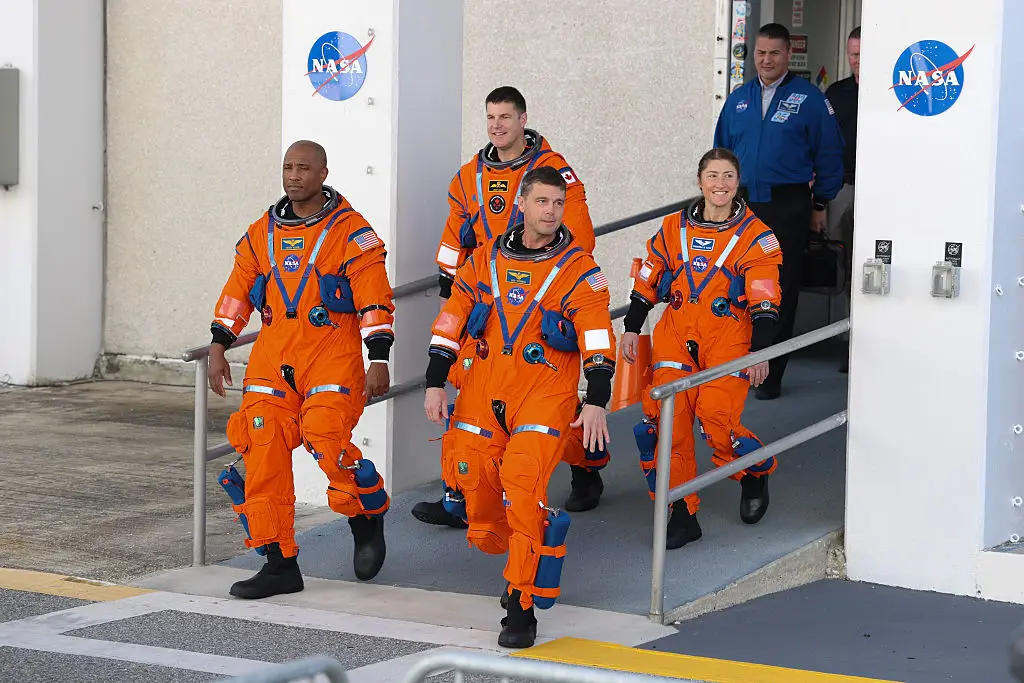
Four astronauts will be on board the ship that flies to the Moon, with NASA astronauts Reid Wiseman, Victor Glover, and Christina Koch being joined by Canadian Space Agency astronaut Jeremy Hansen.
One major sticking point though is that the Orion spacecraft they're flying in won't actually be landing on the Moon, but instead will strictly be flying around it.
The second Artemis mission will be the first to leave Low Earth Orbit (LEO) in 53 years, but its purpose is to test the life support equipment and 'prove' that all of the components of the mission are ready for the 'real thing' several years later.
It won't be until the Artemis III mission, which is set to launch in 2027, that these astronauts will finally get the chance to land and step out onto the Moon's surface, but this upcoming flight is still a massive achievement for NASA.
Former NASA administrator Sean Duffy illustrated that the third mission would serve a purpose to "land and establish a long-term presence of life on the Moon led by America," so it could prove to be a major turning point for our relationship with space going forward.
These Artemis missions have seemingly come at the cost of progress towards Mars though — especially as President Trump revealed a funding boost that seemed particularly scornful towards Elon Musk, considering his dreams for colonization of the red planet.
Duffy previously asserted that human presence on the Moon would aid in future efforts to "put American boots on Mars" though, so this could perhaps be established as a 'trial run' of sorts before tackling the problem that no space agency has ever solved before.