
Doctor issues blunt warning to people using weight-loss drugs after alarming new study emerges


A doctor has issued a warning to people using weight-loss drugs following an alarming new study.
Ozempic, Mounjaro and other similar weight loss drugs have become a popular option in the health world.
While they were initially intended to help manage health conditions like type two diabetes, some medications have been approved for weight loss too due to their appetite-suppressing effects.
Meanwhile, studies have gradually surfaced over the past year about the range of side effects that come with using the jabs, from the odd issues like bad breath, dental changes and 'Ozempic vagina', to the more worrying like pancreatitis and mental health concerns.
Advert
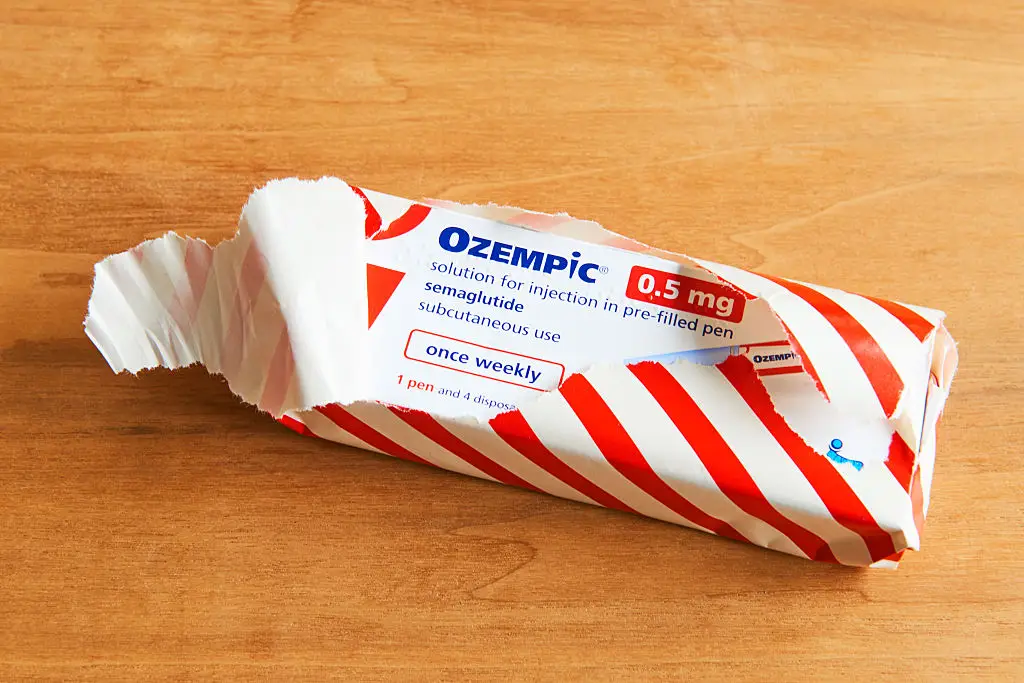
Now, doctors are warning users of the consequences after stopping taking the jabs.
New University of Oxford research, published in the British Medical Journal, analysed 37 trials with over 9,000 people taking semaglutide (Wegovy) or tirzepatide (Mounjaro).
Study participants received treatment for roughly 10 months, with researchers tracking them for approximately eight months afterwards.
The research showed that users experience rapid weight gain after stopping the treatment, much faster than traditional dieters.
According to the results, medication users lost 8.3kg on average, yet gained back 4.8kg within a year and were back to their initial weight within about 1.7 years of discontinuing the drugs.
Additionally, the study discovered that health benefits, including improved blood sugar and cholesterol levels, faded after treatment ended, with all cardiometabolic markers reverting to baseline within about 1.4 years.
Therefore, the scientists concluded that individuals taking these jabs need ongoing support to avoid regaining their lost weight after treatment ends.
"They’re expensive and you need to be fully informed, so you can really consider whether they’re value for money for you," said Susan Jebb, the professor of diet and population health at the University of Oxford and chair of the Food Standards Agency. "I don’t discourage people from taking these medications because they are very effective. I just don’t want them to be seduced by the idea that they’ll be two stone lighter ever after."

The study co-author also warned against people who are not overweight taking the drugs, 'because we don’t know the effects'.
She explained: “The slimmer you are to start with, the more muscle you tend to lose, and so if people are taking these to improve their physique, this is probably not the right way to do it. These are a treatment for obesity, they’re not about changing the way you look.
“Taking it for a few weeks to lose a bit of weight, say before a holiday, and then coming off it, with likely a very high chance of regaining the weight, doesn’t seem to me a sensible plan."
Jebb ultimately argued that the bottom line is that 'you’re going to have to work extra hard to keep the weight off. That’s the message'.
A spokesperson for Eli Lilly (Mounjaro) stated: "Obesity is a chronic progressive disease, and people living with obesity deserve care that reflects that reality. Many long-term conditions, such as high blood pressure or diabetes, need ongoing treatment. Authorised weight-management medicines, when prescribed appropriately, can be part of longer-term care alongside healthy eating, physical activity, and medical follow-up.
"When treatment is stopped, weight can return, which reflects the biology of the condition rather than a lack of effort."