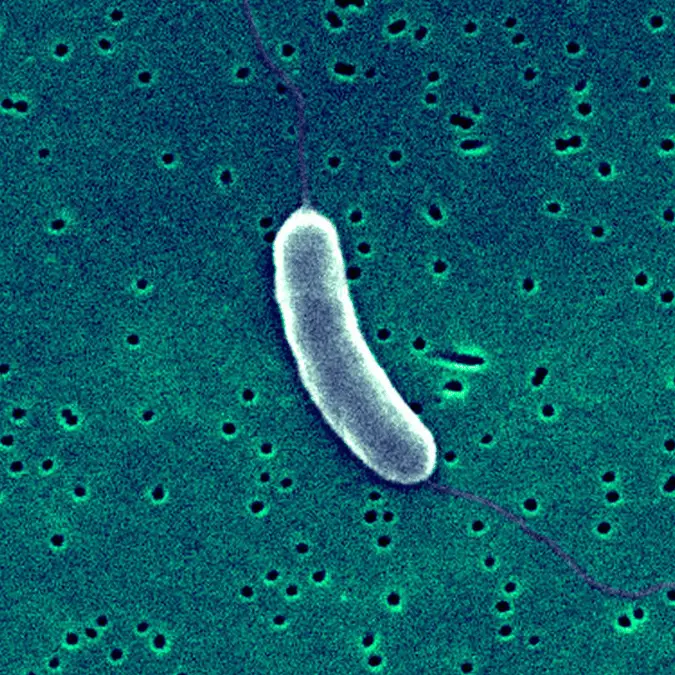
Health officials warn where to avoid after 7 die from flesh-eating Vibrio vulnificus bacteria outbreak in America


Health officials in two US states have issued warnings after a bacterial outbreak of Vibrio vulnificus has claimed at least seven lives on the Gulf Coast in 2026.
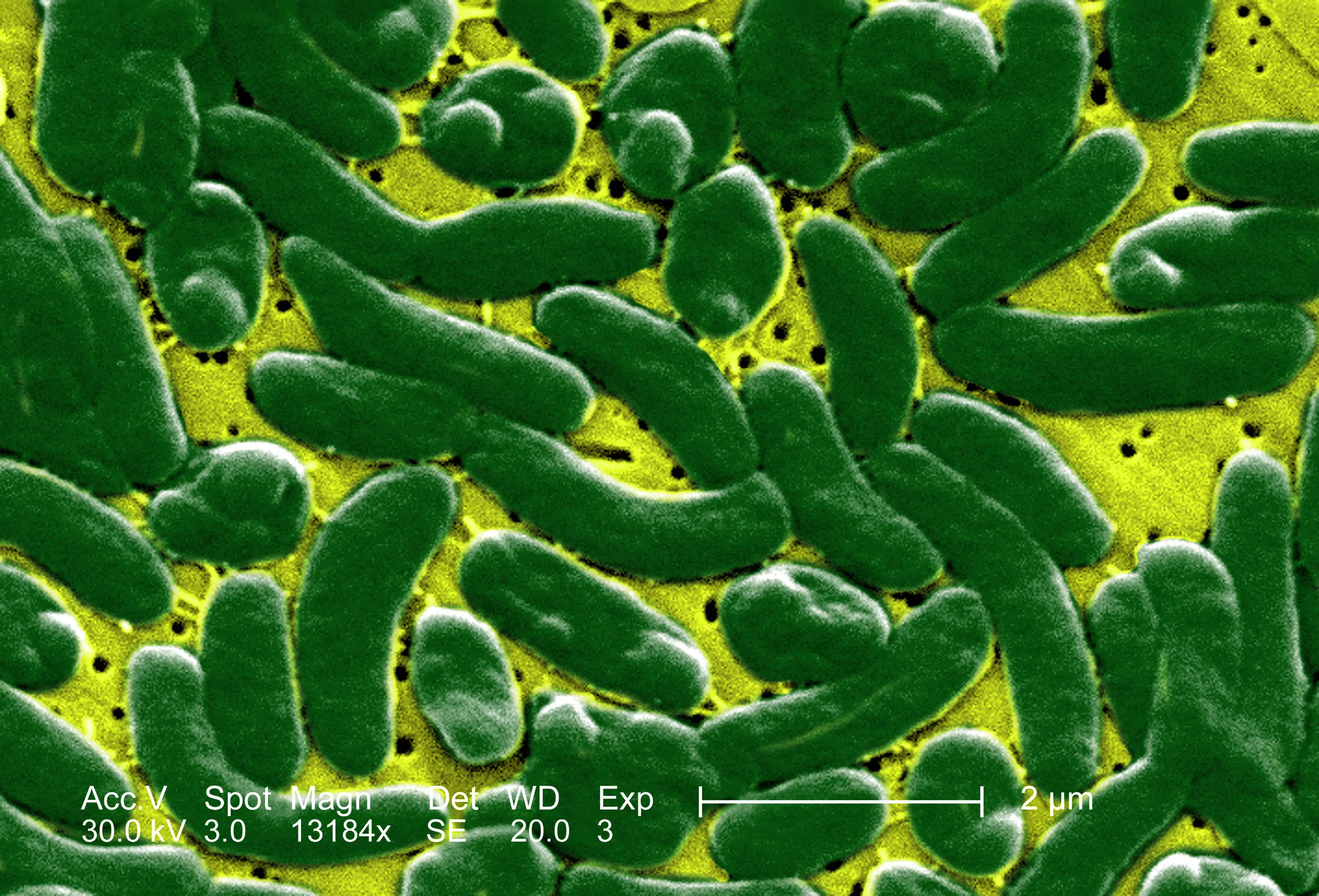
Thriving in warm seawater, Vibrio vulnificus is a flesh-eating bacterium that can enter the body through open wounds or via the consumption of raw shellfish.
It seems that just as soon as reports of explosive diarrhea outbreaks die down, we're left to deal with another potentially harrowing health concern.
We previously covered one family's plea after a father contracted Vibrio vulnificus in 2025, but now, the Sunshine State and Louisiana are issuing fresh warnings.
What is Vibrio vulnificus?
Advert
The CDC notes that around a dozen kinds of Vibrio can lead to a vibriosis infection, emphasizing the concerning statistic that one in five who contract it is likely to die.
On August 6, the Louisiana Department of Health confirmed that five people out of a reported nine Vibrio vulnificus cases have tragically passed away, while a Florida Department of Health database has been updated to include two Vibrio deaths.
Louisiana's Department of Health reports that during the same period over the past decade, the state had an average of seven cases and one death, meaning the latest spike is one it's keeping an eye on.
Symptoms are listed as fever, redness, pain, swelling, or warmth around a wound. We're also told to look out for skin discoloration and drainage or discharge. Signs of a bloodstream infection extend to chills, 'dangerously' low blood pressure, and blistering skin lesions.
There are also common gastrointestinal symptoms of a Vibrio infection that include watery diarrhea, stomach cramps, nausea, vomiting, fever, and chills.
In terms of advice, Louisiana officials added: "Seek medical care immediately if a wound exposed to brackish or salt water becomes red, swollen, painful, warm, or discolored. Tell the health care provider about the water exposure."
While anyone can contract Vibrio vulnificus, those with liver disease, cancer, diabetes, HIV, or thalassemia are told to be especially careful. They're joined by anyone who receives immune-suppressing treatment, takes medicine to reduce stomach acid, and those who've recently undergone stomach surgery.
Where should you avoid if you're worried about Vibrio vulnificus?
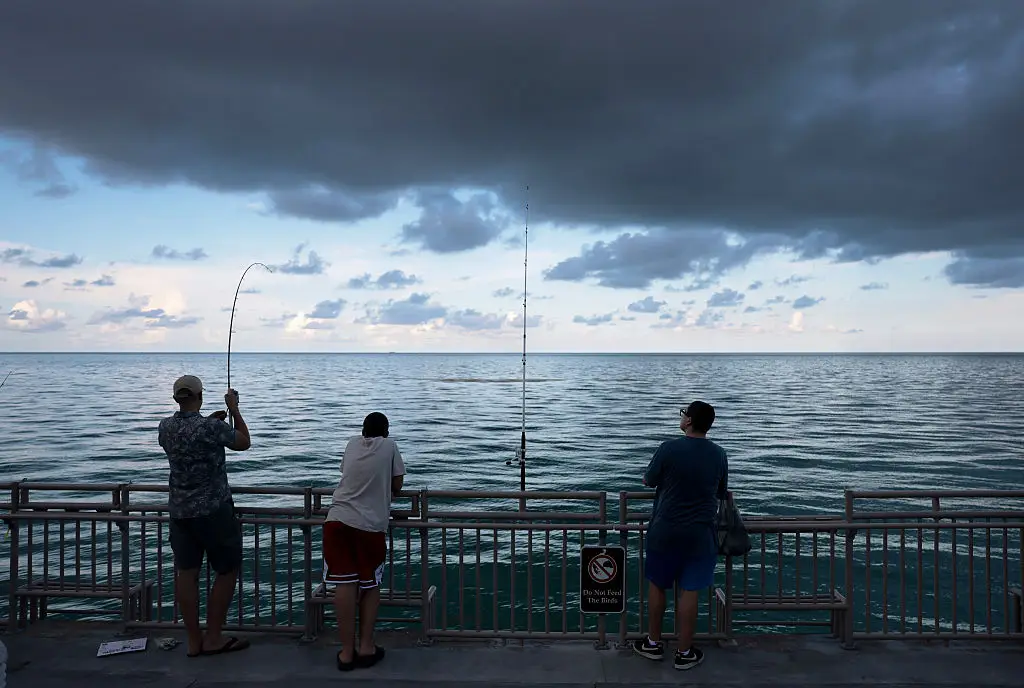
As Vibrio bacteria are said to occur more frequently between the months of May and October due to warmer waters, you're advised to stay out of brackish or salt water if you have open wounds ranging from minor scrapes and piercings to recent surgery wounds.
We're reminded that coastal water includes salt water and brackish water, with the latter being a mix of salt and fresh water that's often found where rivers meet the ocean.
If you're coming into contact with brackish or salt water, raw seafood, or raw seafood juices, it's imperative to cover wounds with a waterproof bandage.
Ensure wounds are washed thoroughly with soap after potential exposure, and make sure you do the same with your hands if you've handled raw shellfish.
You should keep raw seafood and its juices away from cooked seafood, and anyone handling seafood should ensure it's cooked thoroughly. This applies especially to anyone with a weakened immune system, has liver or stomach disorders, or might be pregnant.
In 2025, Louisiana recorded five deaths out of 26 infections connected to Vibrio vulnificus, including a 77-year-old man who scraped his leg on a boat trailer, entered the water, and sadly passed away three days later.
Florida recorded 33 cases and five deaths in 2025.
With concerns about climate change and waters heating up in general, scientists have warned that the concentration of Vibrio is in danger of rising alongside an increase in cases.
This was echoed by Dr. Peter Hotez, dean of the National School of Tropical Medicine at Baylor College of Medicine, who told CBS: "With every year now, because of climate change, we're seeing it higher and higher in more northerly latitudes."
In particular, anyone with heightened risk factors, an open wound, or an abrasion should avoid "swimming in brackish waters along the Gulf Coast and the Atlantic Seaboard."
The various health departments continue to monitor cases.