Unnerving simulation reveals what Earth would be like if life as we know it never evolved


Scientists and space experts have spent years searching for any form of life beyond our planet, but now they have turned their attention back home, creating a fascinating yet frightening simulation of what Earth would look like if it was never inhabited.
That wouldn't just include humans but all life regardless of its forms, from the depths of the animal kingdom to microorganisms that would send the world of science into a frenzy if they were found anywhere else.
Our planet has been fundamentally changed by the existence of life, and experts emphasize the degradation that continues to occur as a result of climate change, yet it remains up in the air exactly what Earth would look like today without existence and evolution, and whether it would even remain habitable if life were to suddenly appear out of thin air.
Scientists simulate what Earth would look like without life
A new study published in The Planetary Science Journal by researchers at the University of Washington examines what they call a 'coupled interior-atmosphere evolution model' of Earth from 50 million years ago to 5 billion years ago.
This evaluates the development of our planet without the existence of any life form, specifically looking at the continued potential for habitability if Earth was spared from the influence of life – human or otherwise – across that time period.
Advert
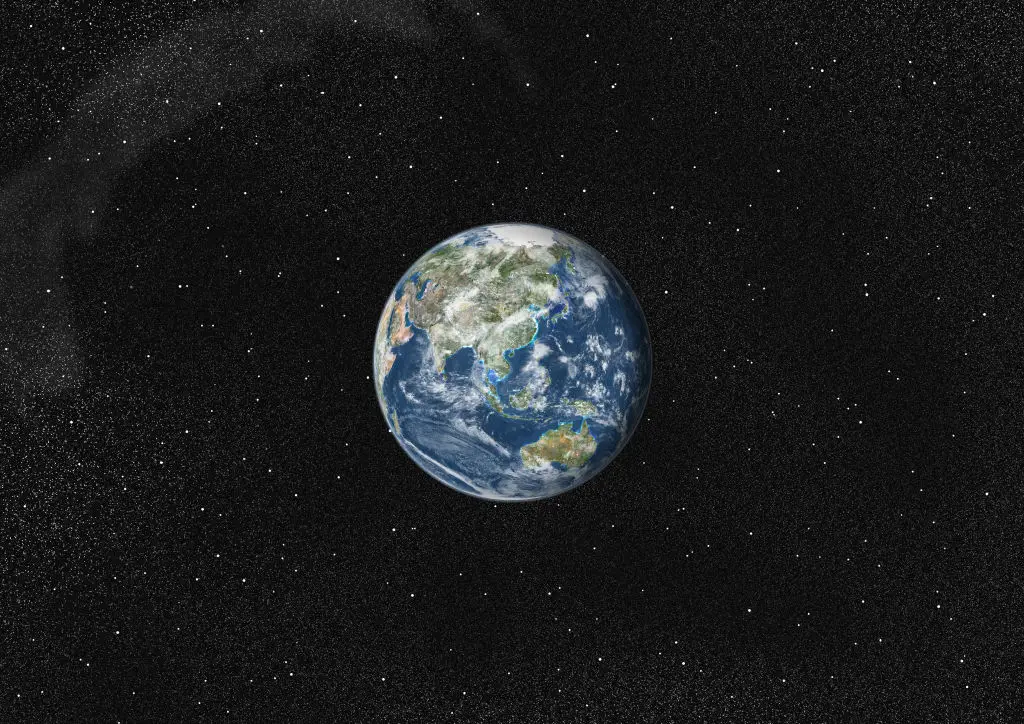
As shared by Science Alert, every part of Earth was taken into account as part of the modelling process, including the core, mantle, crust, atmosphere, oceans, and solar flux, only there was not a single life form to interact with or change how our planet evolved.
According to the study, the simulation suggests that "life may not be required to maintain long-term habitable surface conditions," illustrating that Earth could still support the existence of potential life forms regardless of the fact that they were absent for billions of years.
Could this help scientists discover life beyond Earth?
While this is fascinating in of itself to discover and simulate how Earth would exist across that lengthy time frame, it could also help researchers better evaluate the potential habitability of other planets in outer space.
This wouldn't just inform and potentially accelerate our search for life beyond Earth, but also perhaps support the continued habitability and existence of humans outside of our planet — something that could prove vital to expand space travel and even avoid extinction given how things are going.
Addressing the discover, Samantha Gilbert-Janizek, the study's lead author, revealed that "this model can help us see how habitable but non-living planets might mimic living planets.
"When we interpret observations of an exoplanet's atmosphere," Gilbert-Janizek continued, "this tool will help us determine the probability that what we observe indicates life on the surface."