Elon Musk’s Grok AI predicts how the world would change within 24 hours of discovering alien life


No matter whether you believe in little green dudes above us in flying saucers or not, there's no official scientific evidence that they exist. Hollywood can be blamed for perpetuating the idea that aliens exist, and even in 2026, Steven Spielberg's Disclosure Day has asked the question of what would happen if extraterrestrials were confirmed.
There's plenty of evidence and hypotheses supporting the idea that aliens do exist somewhere out there in the cosmos, while NASA is constantly exploring the so-called habitable zone as well as planets like the LHD 1140 b 'Super Earth'.
When not theorizing about how ancient civilizations on Mars might've been wiped out by a nuclear attack, various scientists have explored why we haven't discovered alien life yet. Even the world's richest man has waded into the topic, with Elon Musk discussing whether he thinks aliens could exist beyond our own little planet.
It's not just the tech mogul mulling over extraterrestrial contact, with his Grok chatbot also being a potential fountain of knowledge and conspiracy theories alike.
What could happen in the first six hours of discovering alien life?
Advert
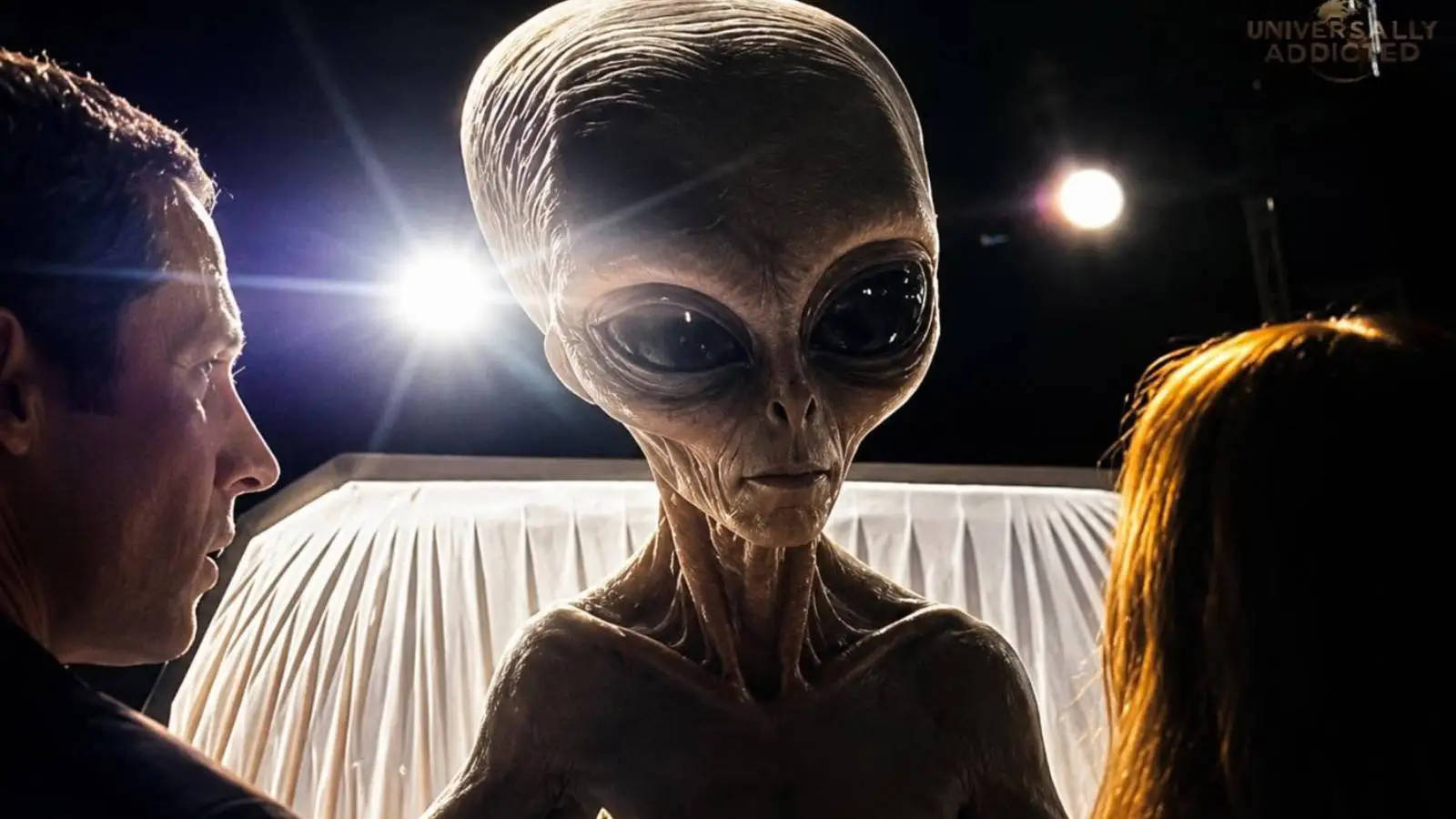
Having already been given sleepless nights after Grok revealed the scariest thing humans need to be worried about that they don't know about yet, the sassy chatbot is back with more anxiety-inducing chats. UNILADTech asked what would happen in the first 24 hours of humanity discovering concrete proof of alien life. As you can imagine, there would be a media and institutional frenzy dominated by government briefings, although Grok reiterates that what happens next depends on what exactly is discovered.
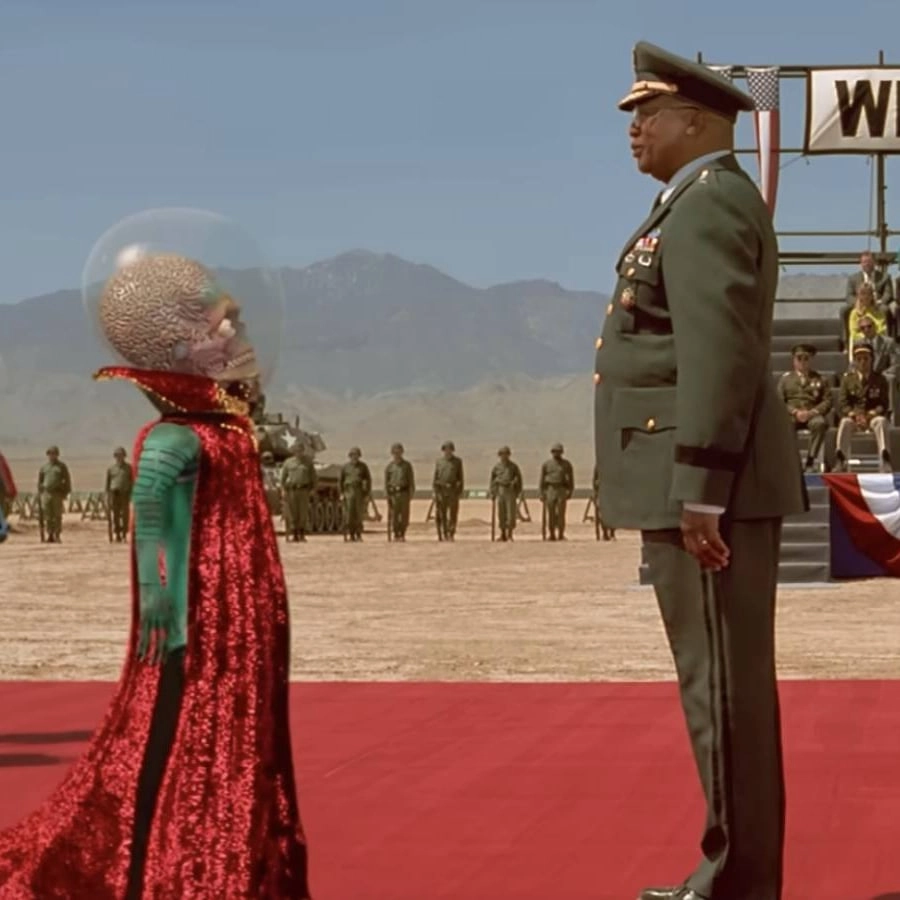
Whether it's something as simple as a far-off signal or a full-blown attack inspired by Mars Attacks!, public and government response would be very different.
Grok's analysis is largely based on official guidance from the International Academy of Astronautics (IAA) SETI Declaration of Principles, which was updated and ratified in 2026. Firstly, there would be verification, an open announcement, and no unilateral reply.
Even though verification could take hours, days, or even longer, social media could speed things up but also lead to a massive spread of misinformation and hoaxes.
The first six hours after confirmation would unsurprisingly be a nonstop news cycle, with scientific teams around the world dropping everything else. National leaders are given classified briefings, defense agencies assess future threats, and the stock market could swing based on uncertainty about the future of the human race.
Grok notes that while there would be some volatility, there's no guaranteed systemic collapse.
The next 18 hours
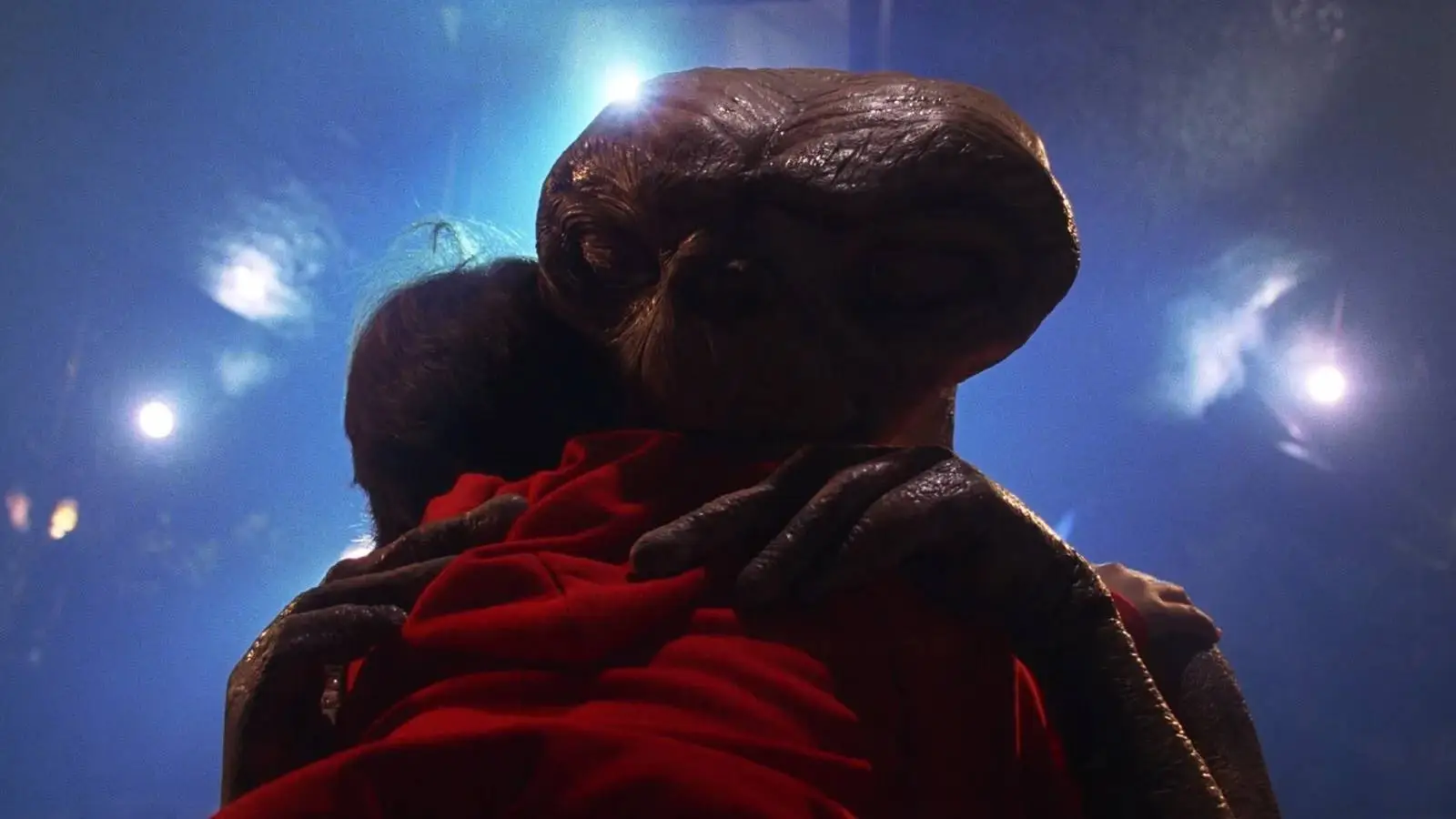
Between hours six and 24, the dust should start to settle as the human race realizes it's not alone anymore. Governments and the UN would start formal processes, with emergency sessions likely and international consultations taking far longer than 24 hours to organize.
Media and public discourse would start to split as a mix of awe and reflection butts heads with fear, denial, and religious interpretation. Grok says: "Surveys of public attitudes toward contact scenarios generally show more excitement than worry for a distant signal, though closer or more dramatic evidence raises concern."
The kind of panic we remember from 1938's War of the Worlds radio drama seems unlikely because we can quickly cross-check sources online, and the most likely scenario is a distant discovery rather than an invasion being underway.
Grok also suggests that many traditions already accommodate or are adaptable to extraterrestrial life, although there's an interesting mention that scientists could be subject to increased online harassment.
Looking even further ahead, Grok reminds us that "the discovery itself does not equal contact or threat."
Any distant signal or technosignature gives us limited information to start with, meaning things would unfold over weeks, months, and years, instead of a 24-hour window.
The confirmation of intelligent life would ultimately raise questions about mankind's place in the universe and our long-term survival.
Grok concludes that the reality would be far messier than the outlined protocols thanks to "competing national interests, misinformation, commercial exploitation of attention, and uneven global access to reliable information."
The likes of the Moon landing and pandemic announcements point to initial intensity that's followed by us adapting to the news, so the notion of a 'permanent paralysis' is thankfully unlikely.
In short, Grok says the universe would get a lot bigger in the public mind in the first 24 hours, followed by daily life continuing largely as normal, as it's up to institutions to try and understand what's been found.