Scientists issue urgent warning as giant new satellite 'could blind people looking up'


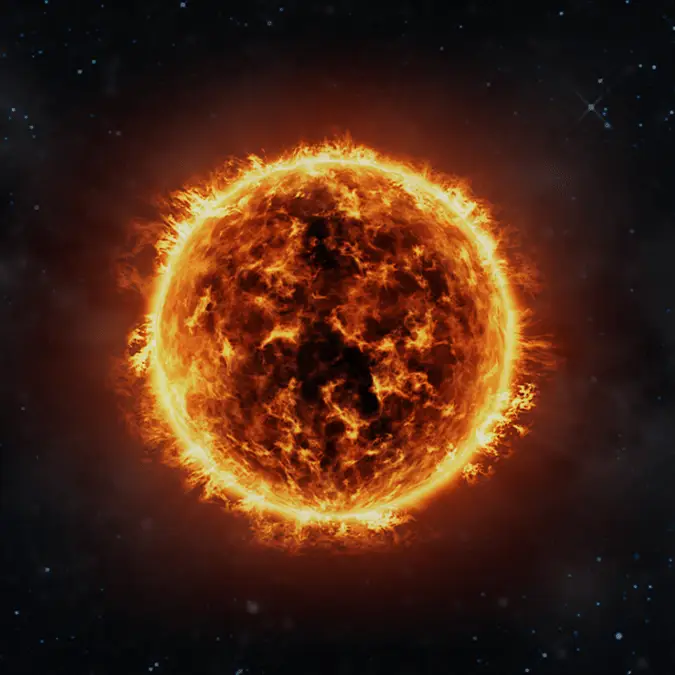
The Federal Communications Commission (FCC) has just approved a controversial new satellite, as this gigantic structure would be able to reflect sunlight and brighten up areas of the world on demand — and scientists warn that it could have unintended health-related dangers.
In practice, customers of this new futuristic project would be able to pay money for light to be brought upon where they are – effectively commercializing the Sun – yet its primary use will likely end up being in conjunction with solar farms to retain energy generation no matter the time of day.
This particular prototype, named Eärendil-1 after the Lord of the Rings character by its Silicon Valley makers – has evoked significant opposition from the world of science, however, as it not only jeopardizes crtical space observations but also puts humans living their everyday lives at risk.
Could this new satellite actually blind you?
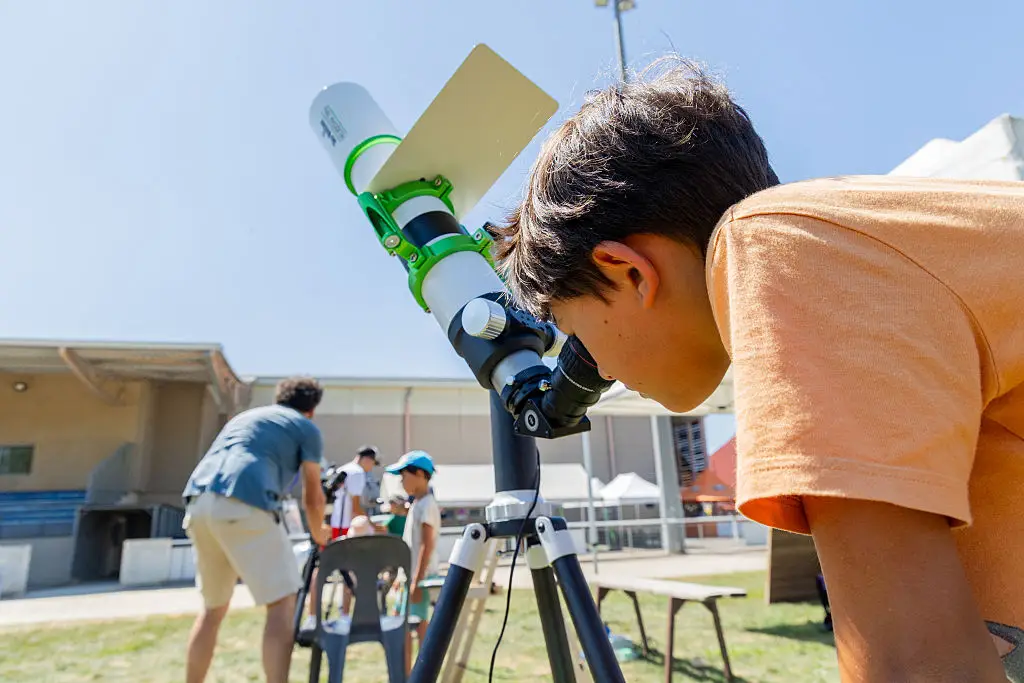
Speaking to The Verge, several scientific experts noted that people could potentially be blinded simply by looking up at the wrong time while this satellite is active, as it effectively mirrors the impact that looking directly into the Sun would cause to our eyes.
Even a telescope wouldn't spare you from the damage, as enthusiasts using a 12-inch apparatus would similarly suffer from permanent eye damage if they happened to gaze in the wrong direction.
Advert
This potential health risk has even been admitted by Reflect Orbital, the company behind the satellite, with Robert Massey, deputy executive director of the Royal Astronomical Society (RAS) calling this "quite shocking," noting that it was "extraordinary" that the FCC still approved the launch after this was indicated.
In approving the launch, however, the FCC argued that the 'small risk' of permanent eye damage has to be weighed up "against the benefits of permitting American companies to test innovative technology in space," although it's unclear how many would see that as a worthwhile trade.
There also don't appear to be any plans from Reflect Orbital to warn people about when the device will be in use, meaning that amateur astronomers will be effectively playing a perpetual game of Russian Roulette when looking towards the sky.
What other dangers does this satellite pose?
What's more, the introduction of significant light into areas that would otherwise typically be in darkness could threaten to disturb our circadian rhythms, which could have a significant impact on your health in both the short- and long-term, alongside damaging local ecosystems and migratory species.
Astronomical observations could also be heavily impacted by the introduction of this new satellite and it's light-emitting properties, as deep space observatories can be easily disrupted by standard satellites, let alone one like this.
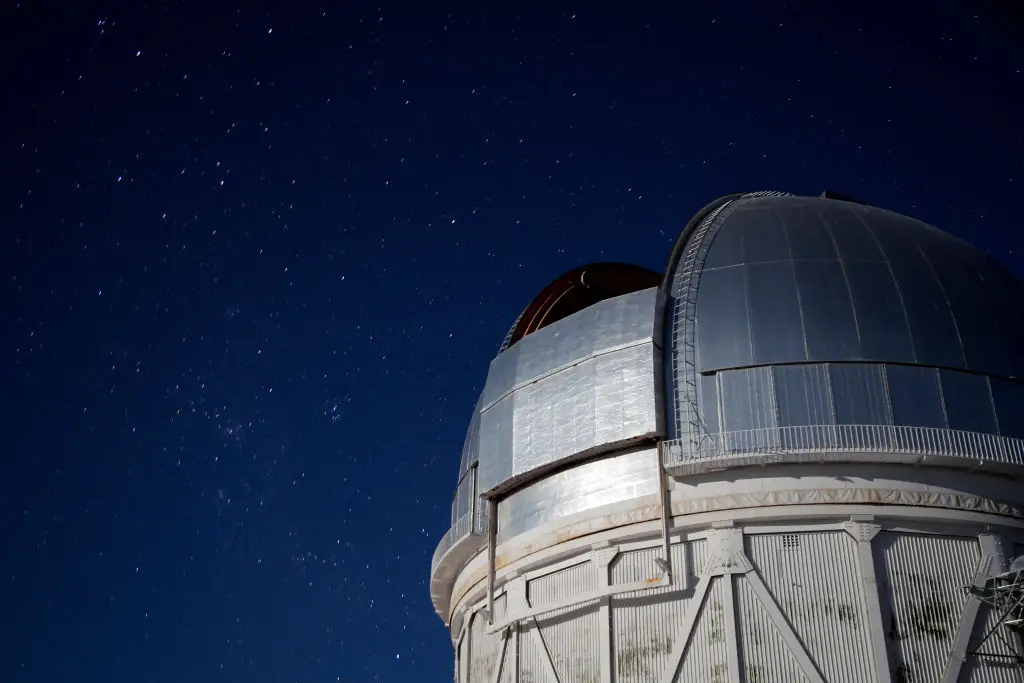
Thousands of scientists have expressed their outrage at this 'existential' threat to continued observation of space, with images disrupted and the overall background illumination of the sky increased, making it harder to see distant objects and galaxies.
This could even impact our ability to spot incoming asteroids, meaning that we get less time to react to an object that could hypothetically destroy our world, with Roohi Dalal, deputy director for public policy at the America Astronomical Society (AAS) branding the satellites introduction as "likely the end of ground-based optical astronomy."