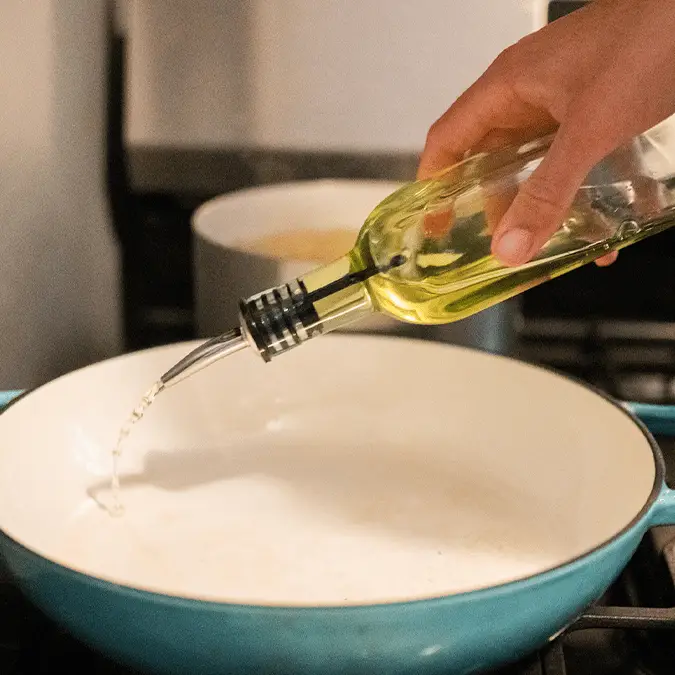
Experts reveal which oil is the 'healthiest' to cook with


In the ever-evolving world of health and well-being, people are taking different approaches to better themselves.
While there's been major advancements in rapid weight-loss jabs like Ozempic and Mounjaro, other influencers are experimenting with different weight-loss techniques to find the best one and even testing out the viral 'rawdogging' trend to see its health benefits.
As we all know, food and diet play an important part in our health alongside exercise and cutting back on bad habits.
But only recently has it come to light that certain popular foods show an increased link with cancer, according to the WHO.
Advert
Now, regarding cooking your food, nutritionists advise that some oils are better for you than others.
Which oils to avoid
Bailyn Fields, sales director at Boomer Benefits, explained that the most unhealthy oils are those rich in saturated fat, as they raise LDL (Low-Density Lipoprotein) cholesterol. "That puts butter, ghee, lard, tallow, palm and coconut oil in the 'use sparingly' category, and research shows coconut oil raises LDL versus non-tropical vegetable oils," said Fields.
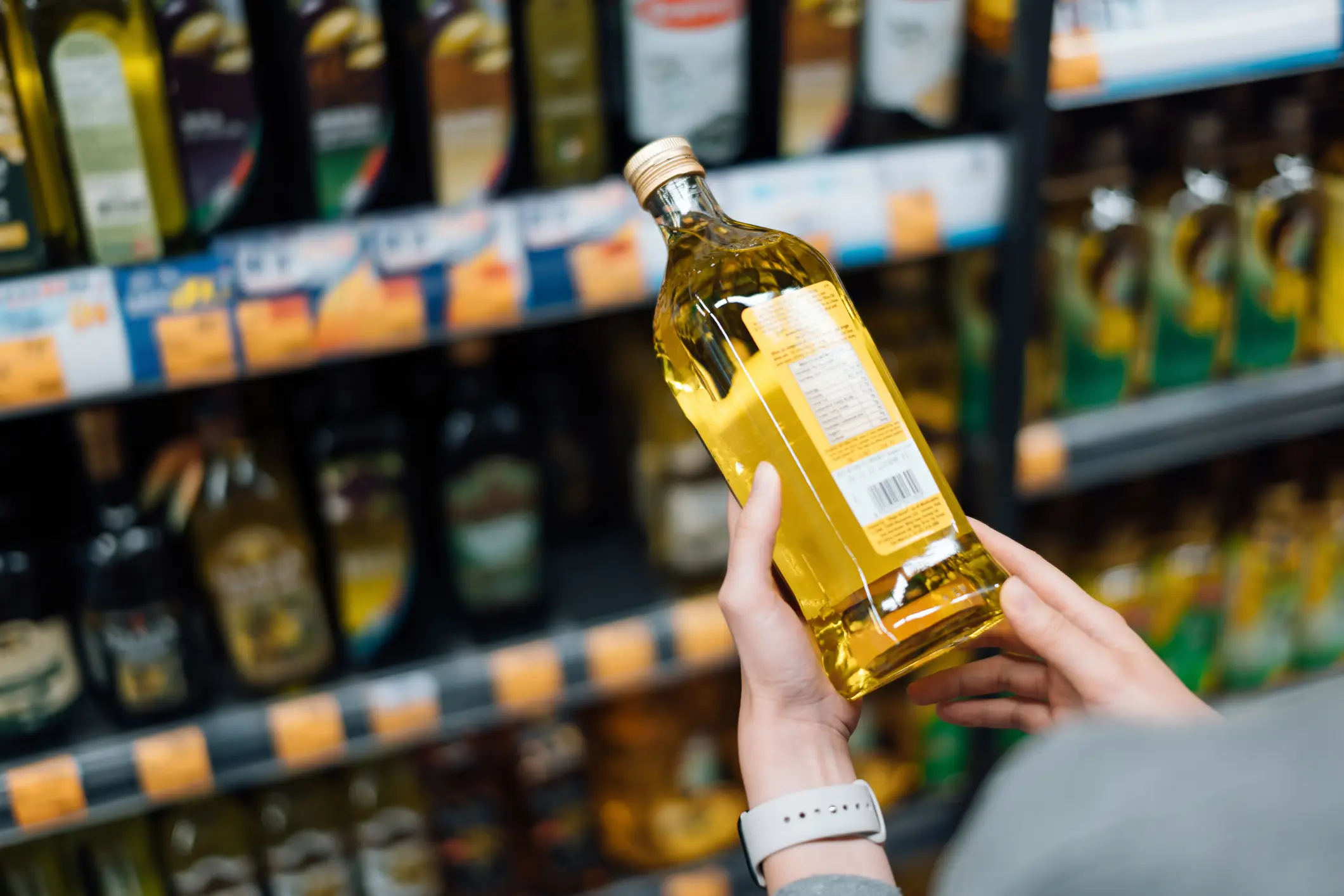
"Industrial trans fats were the worst offenders historically, though they've been removed from many food supplies. Reused or overheated oils of any type can also degrade and form off-flavours and by-products, so avoid repeatedly frying with the same batch at home."
Meanwhile, Kate Styles, founder of Keto Kitchen Lytham, explains she typically avoids seed oils like sunflower, rapeseed and vegetable oil as they're 'highly refined and can become unstable when heated.'
She added: "When oils oxidise at high temperatures, they can contribute to inflammation and are not something I believe belongs in nutrient-dense, real food."
Similarly, Steve Bennett, a PCI-Qualified Health Coach, warned against industrial seed oils.
"We've been sold a dangerous lie," he stated. "Those 'heart-healthy' vegetable oils lining supermarket shelves-sunflower, corn, soybean-are modern industrial inventions your great-grandmother would never recognise. You've never seen an oil vegetable growing in a home garden, have you?".
He added that seed oils are 'loaded with omega-6 fatty acids that trigger chronic inflammation in your body' which can be 'catastrophic' to our health.
So, which oils are best?
According to Bennett, the oils you can trust are the 'ones humans have used for centuries.' But it all depends on how you are using them.
"Olive oil is perfect for salads and low-heat cooking, but using it for high-heat frying is a common error," he explained. "For high temperatures, use coconut oil, ghee, or even traditional lard and dripping-your grandmother's secret ingredients that are far healthier than anything created in a factory."
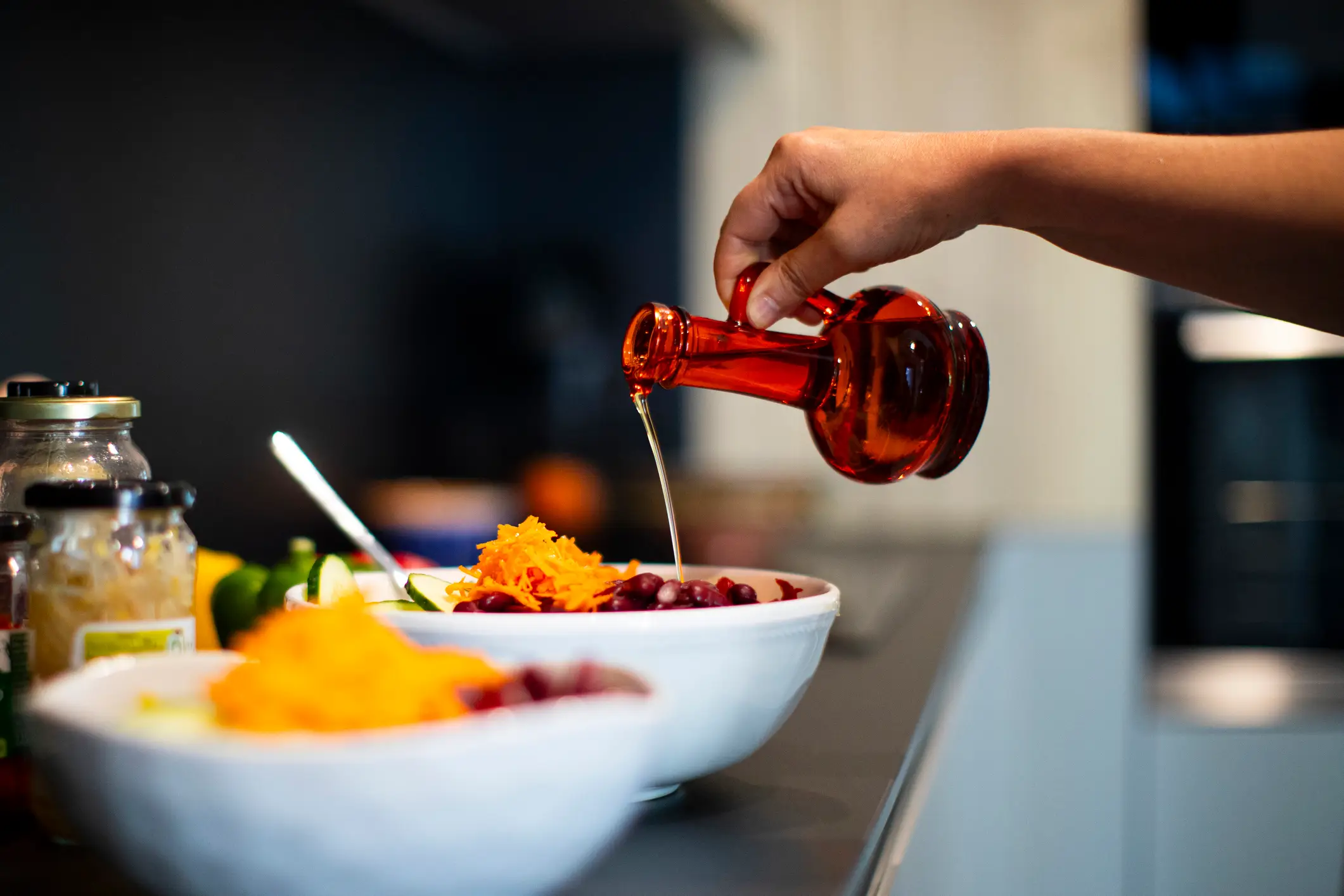
Erin Viljoen, a Nutritional Therapist at W-Wellness agreed: "In summary, choose olive oil for everyday cooking, avocado oil or ghee for high heat, and nut or seed oils for cold use only."
Extra-virgin olive oil (EVOO) appeared as the winner among the experts as it is 'suitable for most everyday cooking, as well as dressings and finishing dishes,' Viljoen confirmed.
That said, Dr. Sarah Schenker suggested that EVOO is 'quite stable at most cooking temperatures,' though she recommends avocado oil for high-heat cooking as it has a 'similar fat profile to EVOO' with more vitamin E.
Dietitians often recommend EVOO due to its higher levels of monounsaturated fats, which are beneficial for your heart, brain, and gut, and its polyphenols, which act as anti-inflammatory agents.
Why is avocado oil best for high-heat cooking?
As avocado oil is primarily composed of monounsaturated fats, it serves as a solid alternative to EVOO.
Aliza Marogy, a registered nutritional therapist and founder of top clinical-grade supplements provider Inessa, concluded: "Avocado oil is growing in popularity as, similarly to extra virgin olive oil, it is mostly made up of monounsaturated fats [...]
"It's also a good source of antioxidants, including lutein, which is beneficial for eye health and may reduce the risk of age-related eye diseases.
Marogy continued that 'refined avocado oil can withstand high temperatures without oxidising' and that it keeps a 'relatively neutral flavour', which makes it a good alternative when frying food.