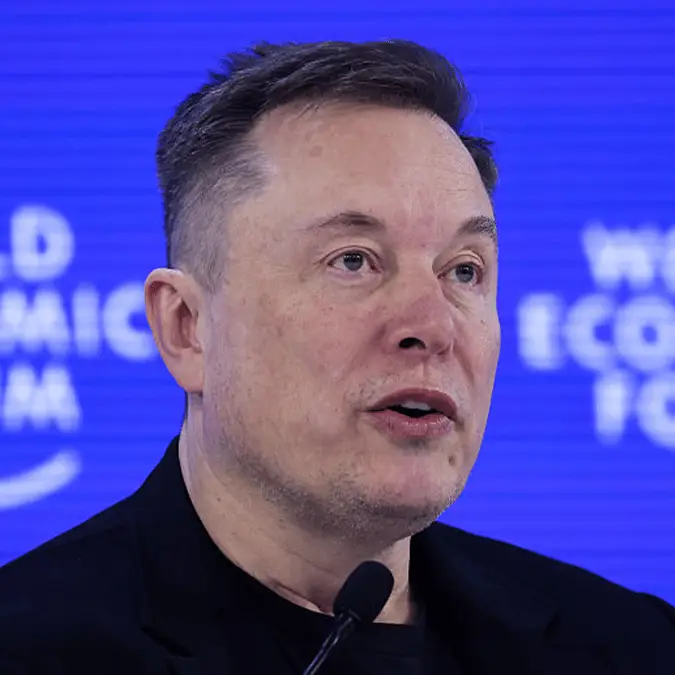
Elon Musk’s SpaceX is borrowing even more money despite reporting $100B cash balance


SpaceX reached new heights earlier this month when it went public, with its IPO valuing the company at nearly $1.77 trillion.
In the process, and due to his 38 percent stake in the company, CEO Elon Musk's net worth soared past $1 trillion, making him the world's first trillionaire.
Since then, shares have continued to climb, briefly pushing SpaceX's market value past $2.2 trillion at around $165 per share and surpassing Amazon, Meta, Broadcom, and even Musk's own Tesla in the process.
So it might come as a surprise to learn that the company is now preparing to borrow an enormous amount of money on top of all of it.
Advert
In a new announcement, SpaceX is reportedly offering investment-grade bonds, hoping to raise at least $20 billion from the deal.
The company confirmed in a filing that it has commenced an inaugural offering of senior unsecured notes, subject to market conditions.
According to the company, the notes will be 'unsecured obligations of SpaceX and will rank equally in right of payment with all existing and future unsubordinated indebtedness, liabilities and other obligations.'
The primary purpose of the raise is to refinance a bridge loan of roughly the same size, a temporary facility that currently makes up the bulk of SpaceX's $29.1 billion in long-term debt.
Beyond that, the proceeds will essentially cover associated fees and be available for general corporate purposes.
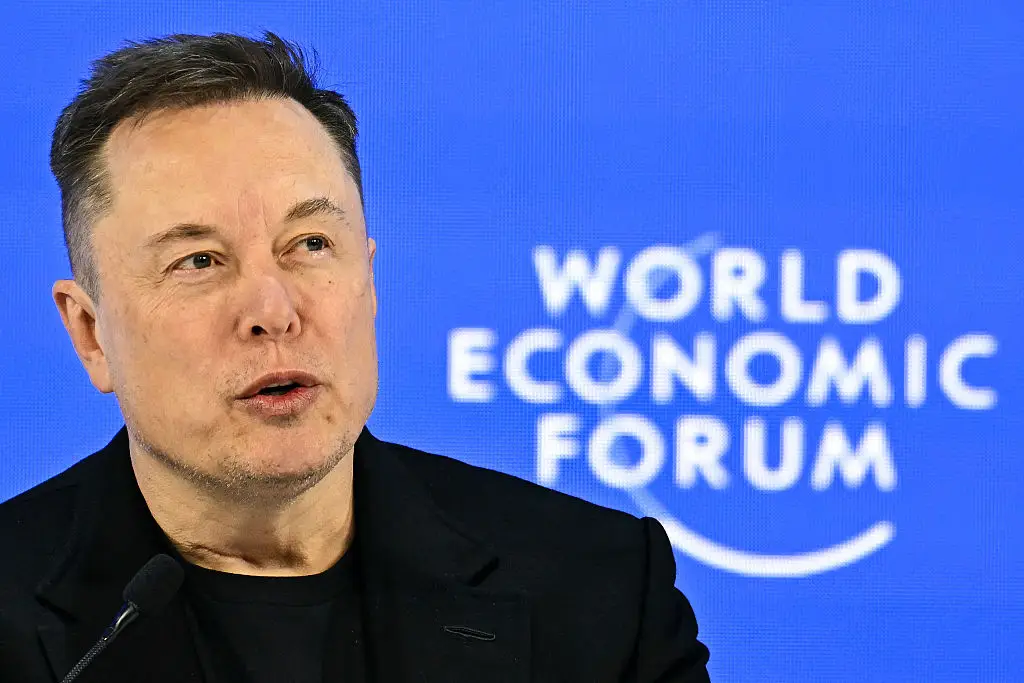
Meanwhile, the borrowing is expected to fund SpaceX's increasingly ambitious AI strategy, and has been ramping up spending on AI infrastructure as well as its longer-term plans to build data centres in space.
SpaceX has also been investing heavily in the development of its next-generation Starship rocket, which has further pressured its finances despite strong growth. Revenue rose 33% to $18.67 billion last year, driven largely by the booming Starlink satellite internet business. However, the company still reported a net loss after heavy spending and the integration of Musk's AI venture xAI into its operations.
The firm has launched more than 80% of the world's mass into orbit each year since 2023, and its Falcon rockets have maintained an over-99% mission success rate, 24/7 WallSt reported (via Yahoo Finance).
As of March this year, Starlink operates a constellation of over 9,000 satellites in Low Earth Orbit, providing connectivity to customers across 164 countries and territories.