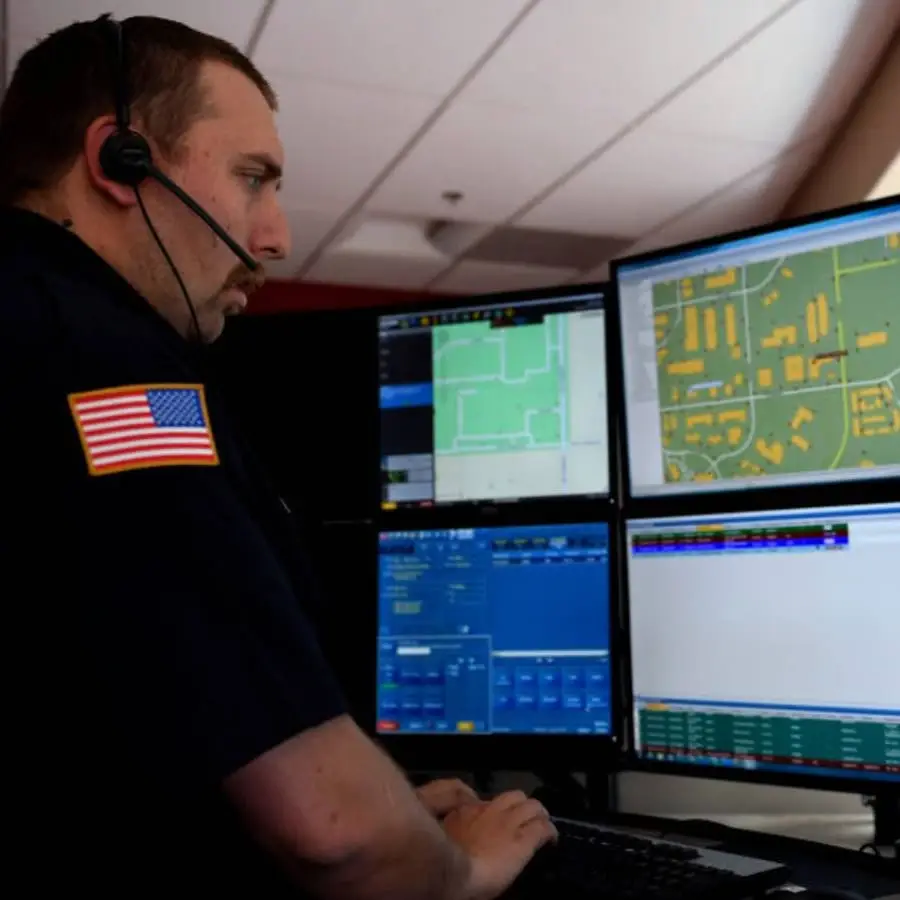
Major concern as New Orleans trials 'irresponsible' AI 911 service


When phoning emergency services, chances are you or someone nearby is in serious need of medical assistance, with the sound of a human voice at the other end of the phone supposed to add some sort of emotional support. Even though New Orleans is now trialing a new kind of service where artificial intelligence handles non-emergency calls to 311, it's led to obvious dystopian concerns that the whole idea of dialing 911 is going to be turned into a Terminator-inspired nightmare.
It's no secret that customer service representatives are some of the most at risk when it comes to being automated by AI, but in terms of automating 911 calls, there's been an overwhelmingly negative response to the idea.
Back in April 2026, Nola.com confirmed the idea could soon be put into practice, with Karl Fasold, executive director of the Orleans Parish Communications District (OPCD), confirming the AI had been trained on the past three years' worth of 311 calls.
Branding the system as "customer service-centric, polite," Fasold said that not only can it pronounce Tchoupitoulas, but explained: "It won't be able to generate tickets (for service requests). It will provide information. But 50% of our 311 calls are simply providing information."
Advert
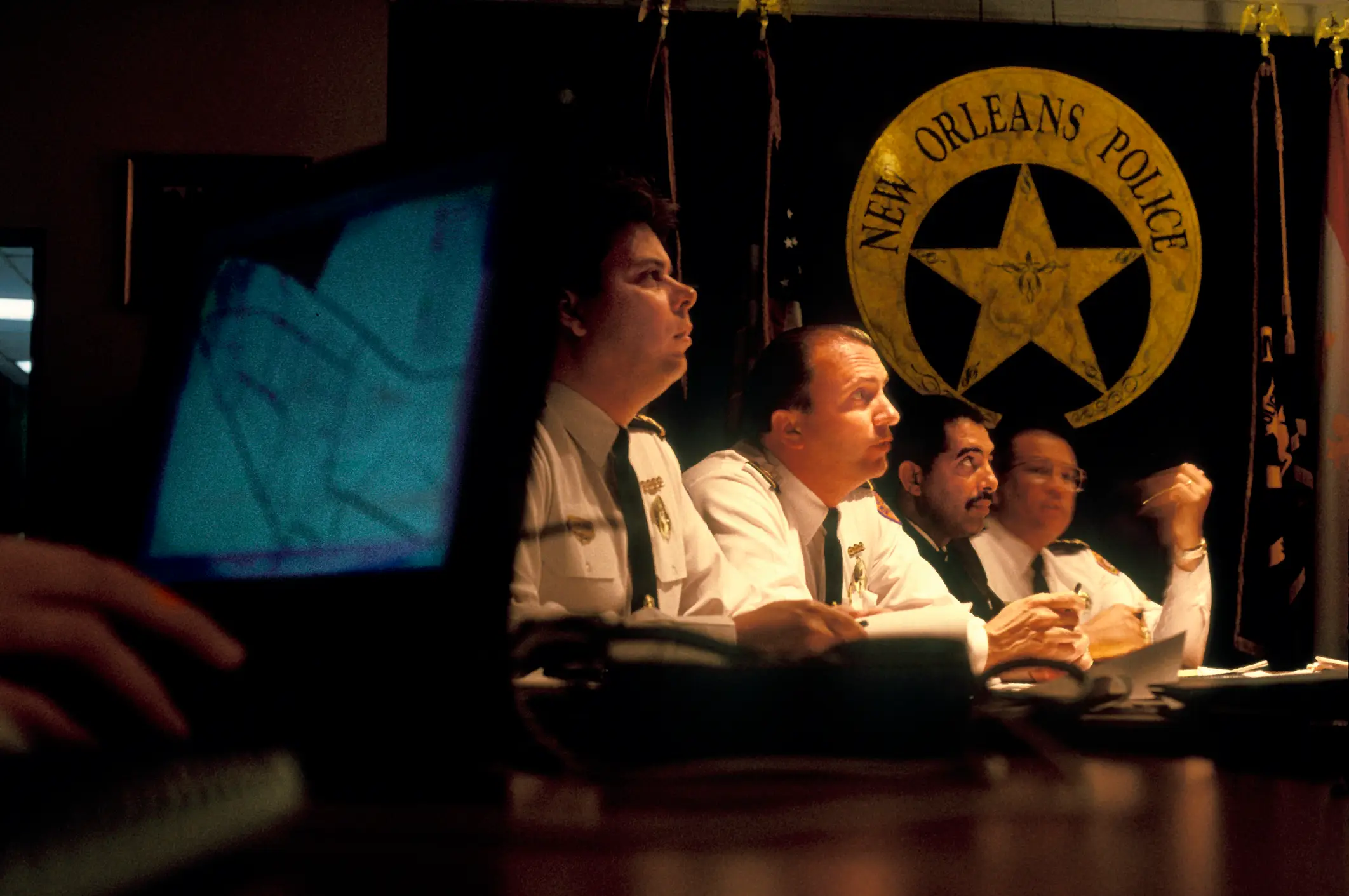
A Shreveport Times article confirmed the OPCD was powering ahead with the new tool in an attempt to reduce the volume of calls handled by human dispatchers. That figure is set to sit at over 1,000 emergency calls a day, and apparently, AI being used for this kind of work is nothing new.
Since 2023, AI agents have supposedly been answering and triaging 911 calls in New Orleans, with the communications district being among the first in the USA to use AI assistance.
Carbyne's AI Emergency Call Triage is promoted as assessing incoming calls and providing feedback to callers. Even though the OPCD has reiterated that AI will only handle 311 calls and the triaging aspect is a separate scheme that directs some 911 calls to a human dispatcher, there was an immediate backlash.
Police1 reminds us that AI-powered emergency dispatching can help prioritize 911 calls and streamline non-emergency call handling while reducing dispatcher burnout, but there are other concerns.
Notably, 911 triage can work with human oversight but is also supposedly in danger of developing hidden biases if not monitored. The outlet explains that models can be skewed by historical crime data from over-policed neighborhoods and marginalized communities, meaning AI could 'reinforce' systemic racism and socioeconomic bias.
Others are worried that AI might fail to understand those with stronger accents and dialects because it's programmed with automatic speech recognition systems.
When the latest update was shared on X, someone shared a snapshot of the article and wrote: "Hopefully not a hot take but, AI shouldn't be used for 911/emergency hotlines."
A second referred to it as 'heartbreaking' and a third simply said it's: "Irresponsible as can be."
It was much the same on Reddit, with one person musing: "Imagine the last thing you hear before you die of blood loss being Gemini telling you how empathetic it feels for you."
As well as some questioning who would be responsible if the worst happens, another concluded: "There was an episode on the TV show 911 that addressed this nightmarish concept. Spoiler alert: it didn’t end well. After watching that episode, I shuddered as I knew it was only a matter of time before we saw some idiotic real-world implementation like this."
We've got to agree that out of all the areas to potentially automate, handling anything related to emergency services probably isn't where we should be starting.