Amazon launches taxi service but all the vehicles are missing a major component


Amazon has just won approval from the U.S. government for one of its most ambitious projects, as it now plans to launch a new robot-controlled taxi service that comes without any steering wheel or pedals.
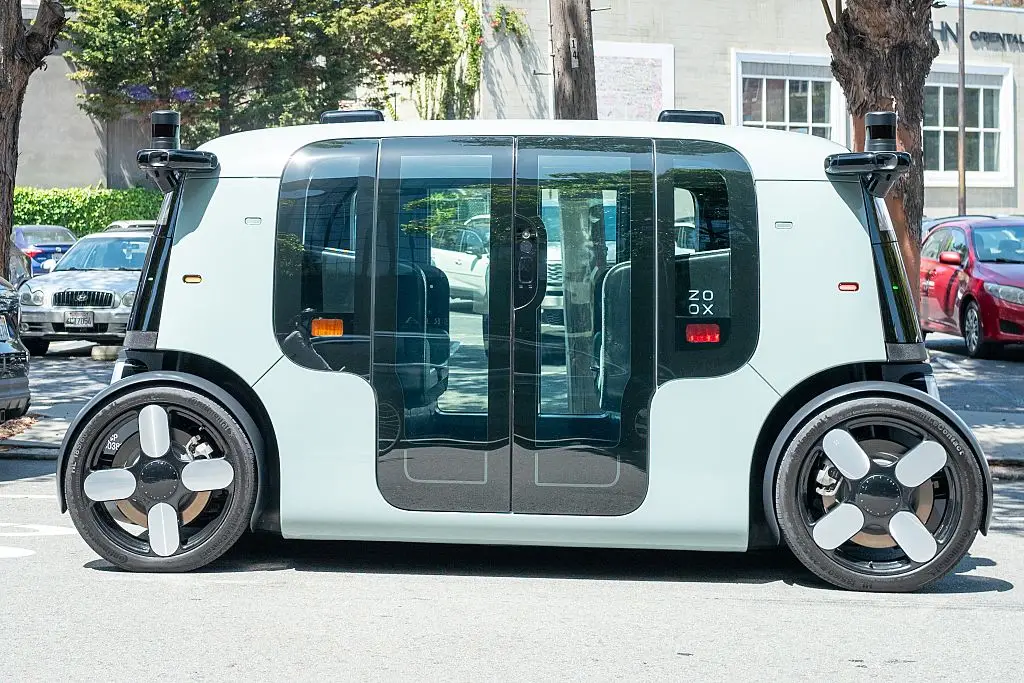
Branded 'Zoox' by Amazon, this new service will rival offerings from both Tesla and Waymo, which is owned by Google, as robotaxis continue to grow across many of the biggest metropolis areas in the United States.
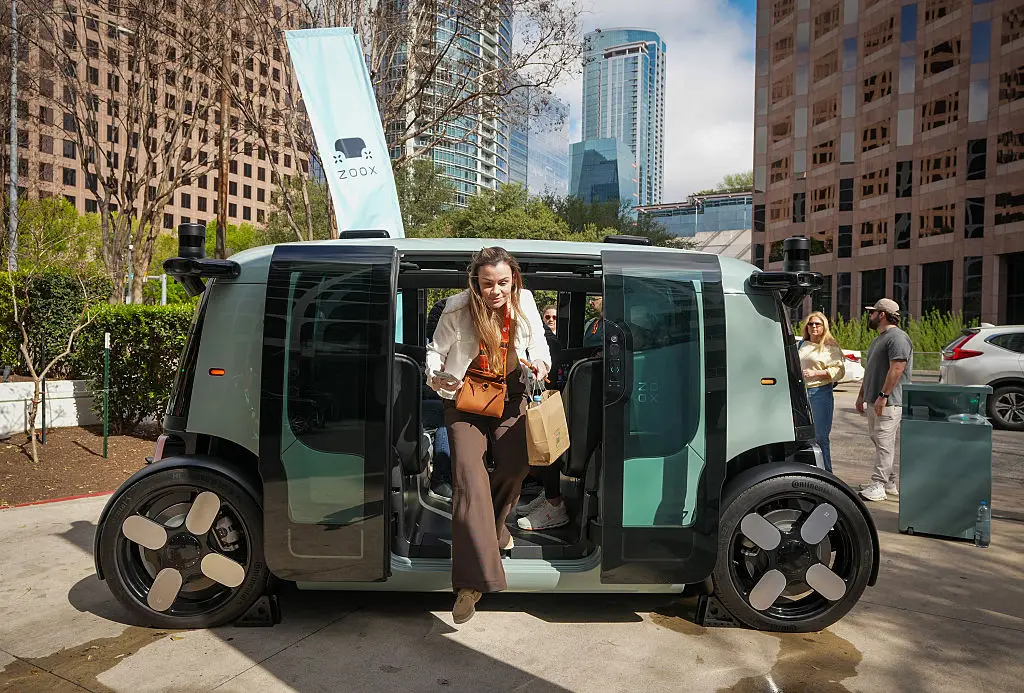
These new vehicles will differ dramatically through the absence of any human-control elements which propose a radically different approach to safety and security that some might be concerned about.
The approval allows Amazon to deploy Zoox vehicles in a limited capacity with 2,500 vehicles allowed annually for a period of two years, as per Reuters, and the National Highway Traffic Safety Administration (NHTSA) is also working on new regulation regarding autonomous cars going forward.
How does Amazon Zoox work?
Much like the existing robotaxi services from Waymo and Tesla, Amazon's Zoox will allow customers to pay for autonomous rides across the country's biggest cities, with this particular deployment beginning in Las Vegas.
Advert
It will aim to continue its deployment across other states beyond Nevada, but Amazon has to first complete the requirements for deployment before that can happen.
While these vehicles cannot be sold directly to the public, authorities are extremely confident that the cars are safe despite the absence of human controls, with NHTSA Administrator Jonathan Morrison outlining:
"We can say pretty clearly that the systems in place on the Zoox exceed the equivalent performance requirements of a compliant vehicle," adding, however, that the administration still wants "to make sure that the automated driving system will operator appropriately."
It will continue to monitor performance of Amazon's Zoox vehicles during the initial deployment, adjusting regulations and conditions in the event of any crashes or risks that emerge.
What could this imply about the future?
One of the biggest implications that has emerged from this first-time approval is the safety risks that potentially emerge from vehicles that have no means of intervention when on the roads.
There have already been recorded issues of autonomous vehicles interacting with emergency services, as one Waymo vehicle blocked an ambulance from accessing a shooting incident earlier this year, and Morrison has demanded that manufactures address "a clear pattern of driverless AVs interfering with law enforcement and other first responders."
Uncommon road conditions such as flooding, construction works, and even something as common as school buses have also caused concern among regulators, and it remains to be seen how well a vehicle like Amazon's Zoox can deal with these potential dangers on the fly.
What's more, there are also questions that arise following the interjection of Amazon in the autonomous vehicle space, as it could potentially put the jobs of countless delivery drivers at risk.
Amazon already deploys delivery drones through its Prime Air program, but it could perhaps employ a system in the future that would see deliveries driven autonomously to drop off points, effectively making the role of humans redundant.