Websites most at risk of cyberattacks as experts warn ‘everybody needs to be prepared’ over next 18 months


As if we didn't already have enough to worry about in terms of the threats of nuclear war, climate change, and the idea that artificial intelligence could wipe out the human race, there are more imminent fears that our daily lives will continue to be disrupted by cyberattacks and outages.
It makes sense that as the world moves into a more digital realm, the age-old idea of bank heists or someone mugging you for your wallet also moves with it. You might remember October 29's Binance attack being dubbed the biggest heist of all time, with $6.34 billion worth of digital assets being swiped in just 20 minutes, but could this be the tip of the iceberg?
Cybersecurity experts warn about future attacks
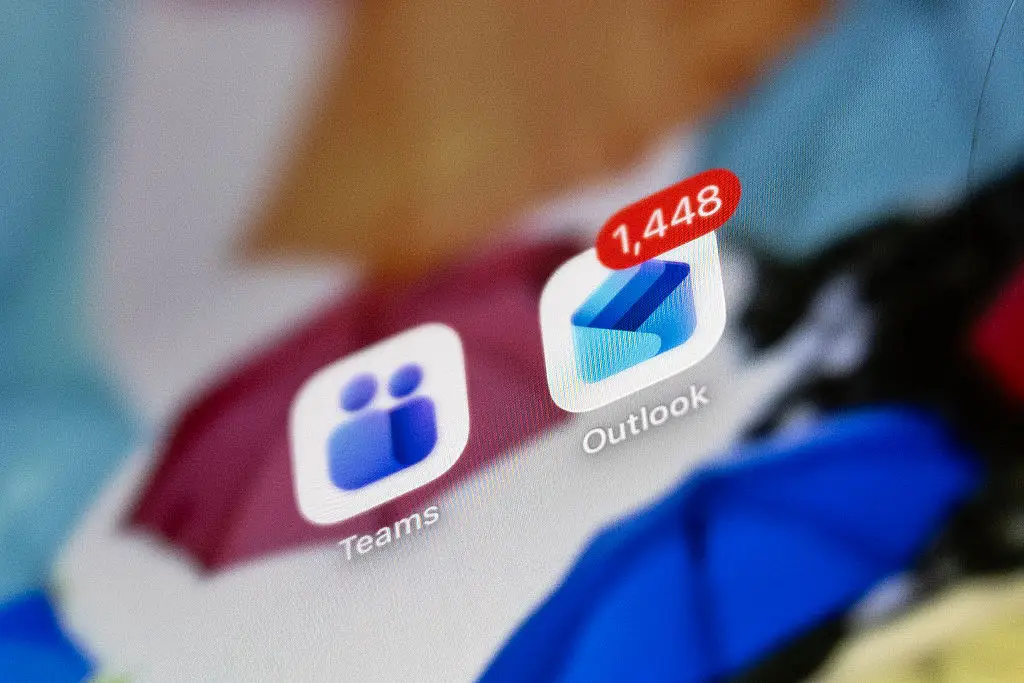
November 2026 sees us questioning how secure our futures are, and while it wasn't linked to a cyberattack, a massive Microsoft outage ground the world to a halt.
Advert
Rounding things off, Apple was among 178 major organizations supposedly targeted on November 16.
In the aftermath of these recent troubles, Chris Krebs, former director of the U.S. Cybersecurity Agency, warned that he expects things to only get worse. Speaking to NBC Today, Krebs suggested that some of these issues can't be blamed on cyberattacks, but on companies using AI to try and find vulnerabilities in their own networks: "We're trying to stop bad things from happening. And of course, anytime you introduce a patch, you risk destabilizing a system."
Microsoft reportedly found 2,500 vulnerabilities in its network in 2024 and 2025, with Krebs warning each needed a patch that can disrupt a network.
As countries increasingly rely on AI to improve their systems, Krebs claimed we should prepare for more outages like Microsoft's over the next 18 months: "I'm confident that we will get through this. But look, the patching is not done. The vulnerability discovery is not done. The next 12 to 18 months are going to be a bumpy ride. I think everybody needs to be prepared for that."
What websites are most at risk from future cyberattacks?
UNILADTech spoke to cybersecurity expert Eugene-Patrice Nkomba. As well as being the founder of Maturity Coach, Nkomba has led technology and cybersecurity programs for US federal agencies like the Departments of the Treasury and Commerce and Homeland Security for more than 30 years.
According to Nkomba, the biggest risk right now sits beneath the websites we use every day. Reminding us that thousands of sites are run through a handful of operators like Amazon Web Services, Microsoft Azure, Google Cloud, and Cloudflare, we've seen issues with many of these.
If that wasn't enough, they tend to use sign-in systems from Apple, Google, and Microsoft, with Nkomba adding: "When one of those has a bad day, sites that have nothing to do with each other go down together."
Pointing to the massive CrowdStrike update from July 2024, he also reminds us of October's AWS outage and Cloudflare's update chaos as millions of potential cyberattacks were reported.
As for Apple, he reiterates that the tech giant has blamed it on an eternal update that shows proved the sign-in problem: "When the account system fails, iCloud, the App Store and Apple Pay all struggle at once."
In terms of what could be next to go down, Nkomba explained: "I can’t tell you which company goes down next. Nobody outside the company can say that honestly. But any site that depends on one of those providers for its sign-in or checkout shares that provider’s risk."
What websites could cause the most chaos if they go down?
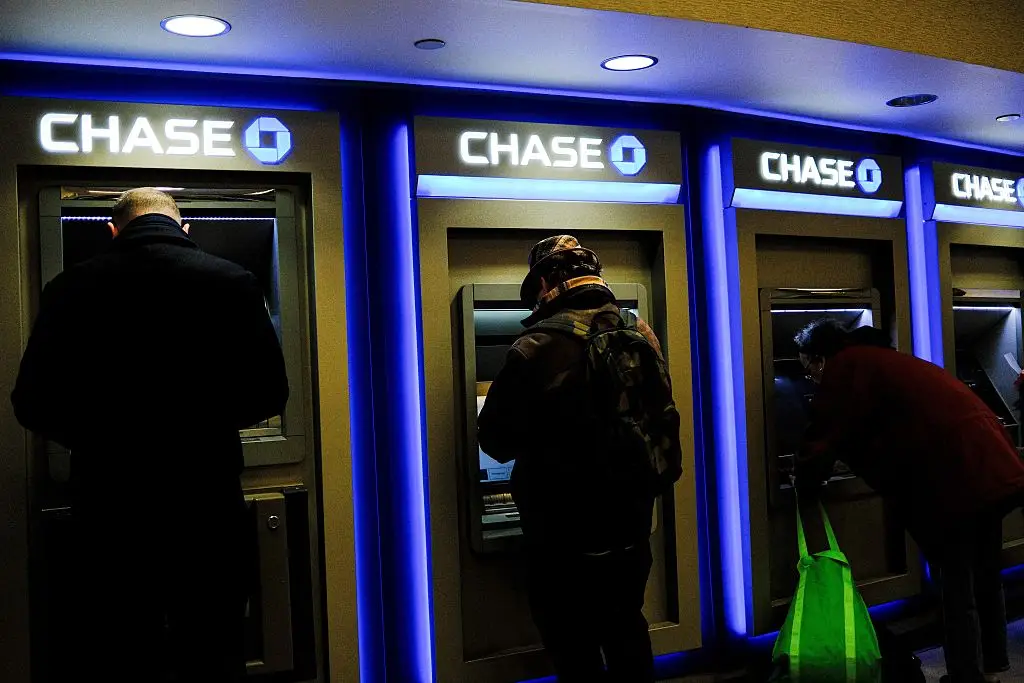
TThe Microsoft outage didn't just scupper our emails and stop us from using Teams, because the aforementioned partnership between these companies and AI affected the likes of Anthropic and OpenAI. Nkomba notes that certain websites going down would obviously cause more chaos. Ones that prevent us from getting money, medicine, or a way home are obvious choices.
He'd put payment apps like Chase, Zelle, Venmo, and PayPal at the top of his list, continuing: “Chase customers had trouble reaching their money on November 16. Next come pharmacy and insurance systems. When Change Healthcare was hit in 2024, pharmacies across the country struggled to process prescriptions. Then airline apps during storms, when everyone is rebooking at once."
In his opinion, there are imminent threats on the way with November 27's Black Friday, as well as Healthcare.gov enrollment open until January 15: "A checkout or enrollment outage over the next few weeks would land on millions of people."
As for why these kinds of sites are the most vulnerable, Nkomba says that a website is actually dozens of systems that have to work together seamlessly at the same time: "Most big outages start with a routine change, like an update or a configuration tweak, that spreads further than anyone expected."
He suggests that the companies that recover the fastest are those that roll out changes to a small group and can undo them easily. Of course, that's easier said than done when you're a tech giant like Microsoft.
Nkomba ends with a humble foreshadowing, concluding that the outage that causes the most chaos isn't the one that takes out the most popular site: "It’s the one that stops you from paying for groceries, picking up a prescription or getting home, with no backup ready."