What iPhone users need to check after world’s biggest websites targeted in cyberattack


iPhone users are being asked to check their software after some of the most visited sites on Earth were targeted by hackers yesterday (November 16).
Security researcher Scott Helme identified malicious code which was delivered to the sites through website scripts used by 178 organizations including Zoom, HSBC, BBC, CNN, Salesforce and IKEA.
The attack exploited Optimizely, a platform used by businesses to test and personalize their websites.
The hackers set out to replace crypto payment addresses with their own wallets as well as implementing code to exploit vulnerabilities on iPhones.
Advert
Making a payment was not necessary for the iPhone-targeting code to load. The attack had several separate functions: attempting to exploit vulnerabilities in Apple devices, capturing card details entered into certain payment forms, and replacing cryptocurrency wallet addresses to redirect transfers. The risk depended on the visitor’s device and what they did on the page.
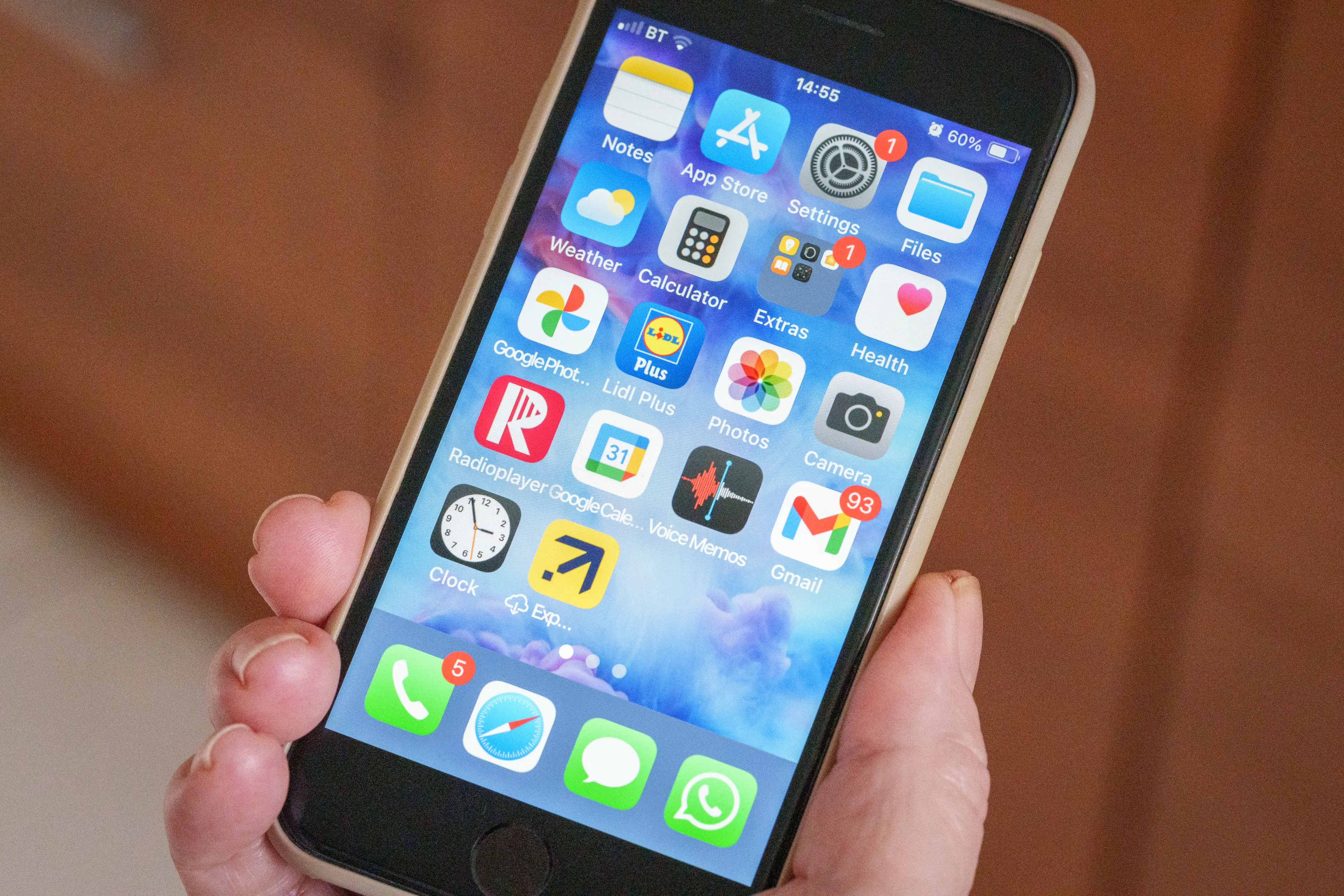
What do iPhone users need to know about the cyberattack?
If you visited an affected website on November 16, there are a few checks worth making, though visiting a compromised page doesn’t automatically mean your phone was infected.
- First, check your iPhone is updated to the latest version of iOS, which is currently iOS 27.2.1. Open Settings → General → Software Update and install the latest update available for your iPhone.
- Next, check your browser history against the domains affected by the attack, which can be found in the researcher’s investigation, though one visit to a site doesn’t automatically mean your device has been compromised.
- If you entered card details on an affected website on November 16, check your bank or credit card statements for unfamiliar charges. Contact your card issuer if you spot anything suspicious.
- If you made a cryptocurrency transfer while using an affected website, compare the destination address in your transaction history with the intended recipient’s address. The malicious code could replace legitimate wallet addresses with an attacker’s, redirecting your payment.
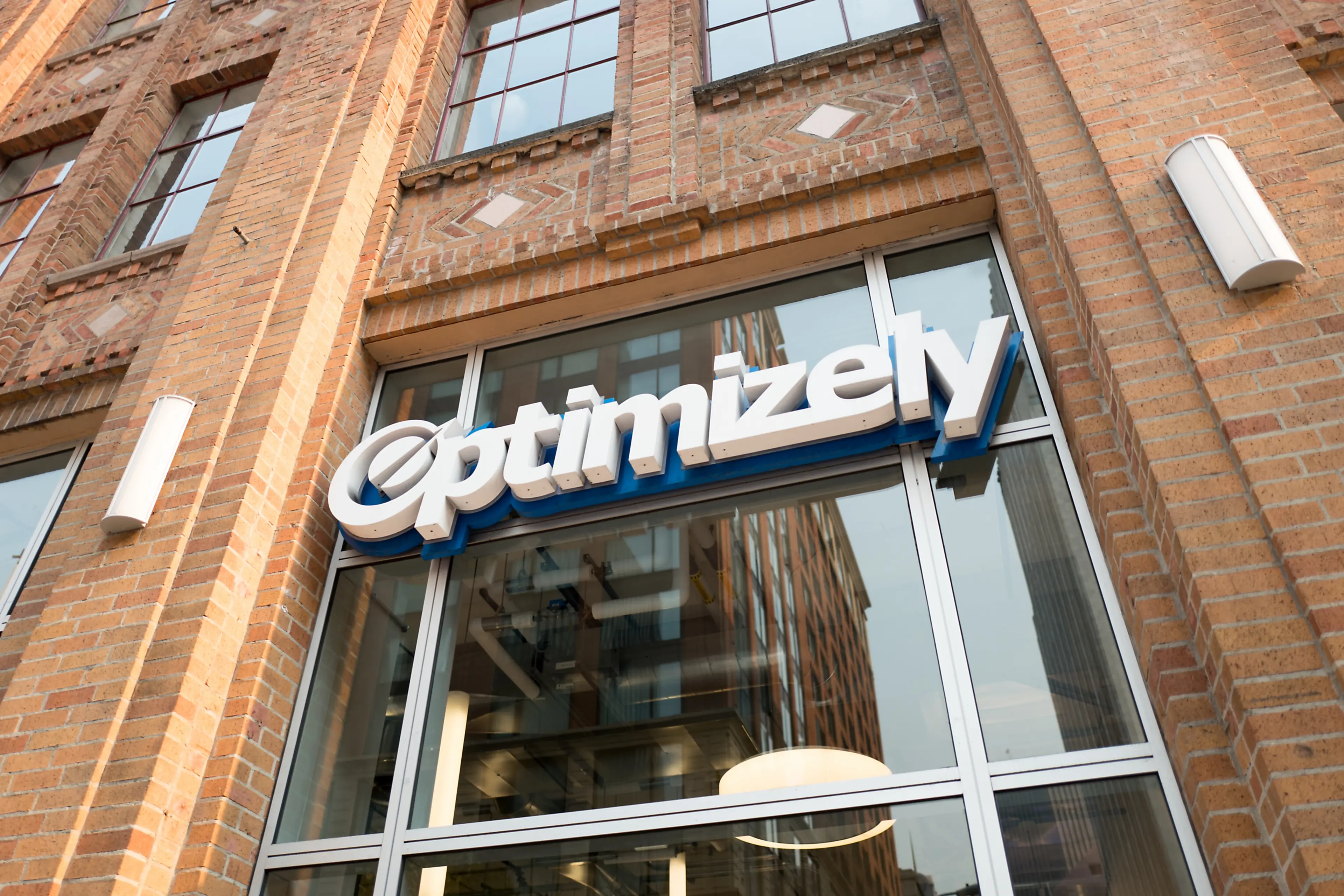
What have the websites said about the Optimizely hack?
While not every website impacted have issued a statement, Salesforce told BleepingComputer it had disabled Optimizely scripts as a precaution while investigating. Equifax told Reuters it also stopped using the platform, saying it found no evidence its systems had been compromised, while IKEA also told Reuters it was assessing potential effects on its services and customers.
Optimizely has issued a statement saying they have now fixed the vulnerability and removed the malicious code, though the incident as of right now is still under ‘monitoring’.
We still don’t know just how many iPhones were impacted by the attack, and removing the code from the website doesn’t undo any successful hacks.
Researchers identifying malicious code on a website does not establish that every visitor was successfully hacked. Reuters said it could not immediately determine whether the code worked in each case or establish the extent of any resulting compromises.