Microsoft 365 blackout led to chlorine gas poisoning of 15 hotel guests


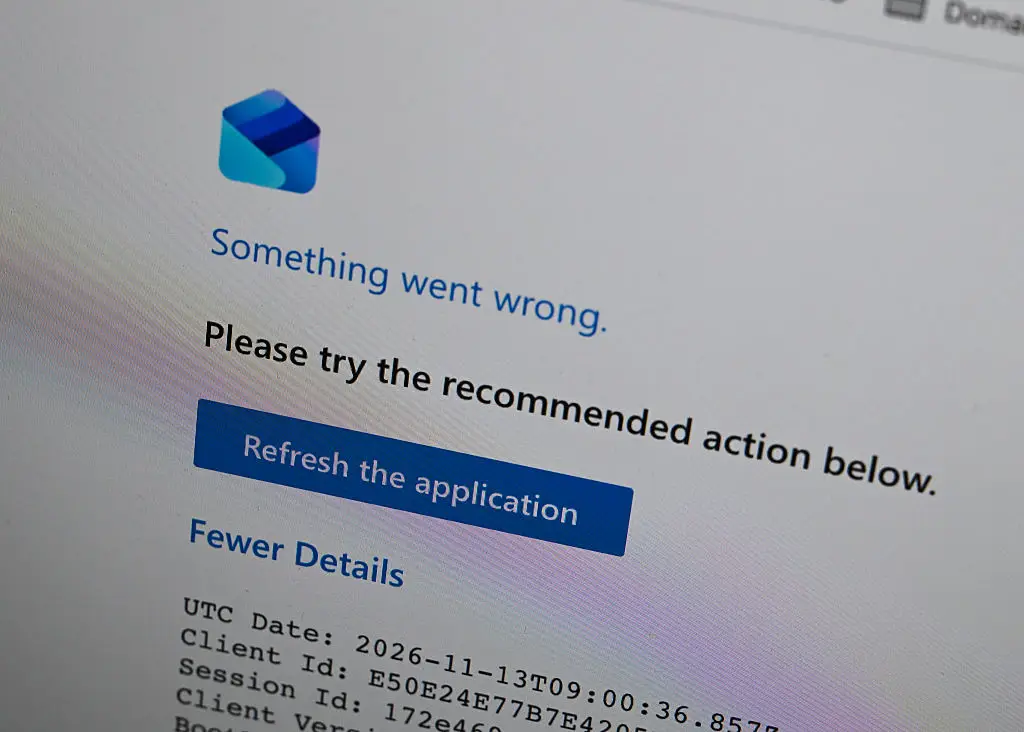
Last week saw a global outage of Outlook and Microsoft 365, leaving many firms unable to send emails or conduct their businesses as usual.
This started on Thursday evening (November 12) and went on for around 24 hours before users began to regain access to Microsoft services.
In a statement at the time, the tech giant said: “We’re closely monitoring service health and validating recovery across affected connection methods to ensure sustained service stability.
“At this time, we have no evidence of malicious activity associated with this incident. We will continue to treat this with urgency until full mitigation, and we will share a full Post-Incident Report with root cause and defence-in-depth actions after mitigation is complete.”
Advert
In another update, the firm shared that its focus ‘remains on stabilizing recovered infrastructure, completing mitigation in remaining impacted areas, and reducing delayed email queues and backlogs while we validate service consistency across connection methods’.
The outage didn’t just impact offices as Microsoft is also used by AI companies, with the likes of Anthropic and OpenAI also reporting issues.
It is believed that more than 430 million people use Microsoft 365 apps, made even more complicated by 90% of Fortune 500 companies using Microsoft’s Copilot AI chatbot, meaning the technical problem caused widespread chaos for many businesses.
Microsoft blackout led to chlorine gas poisoning
However, it seemed for some, the problem wasn’t just a matter of inconvenience as a swimming pool system at a German theme park hotel malfunctioned, pumping too much chlorine into the water.
This resulted in an automated warning that was generated and sent however email, but staff never received the message due to Outlook being down.
As a result, 15 hotel guests were injured, with four even taken to hospital due to chlorine gas poisoning.
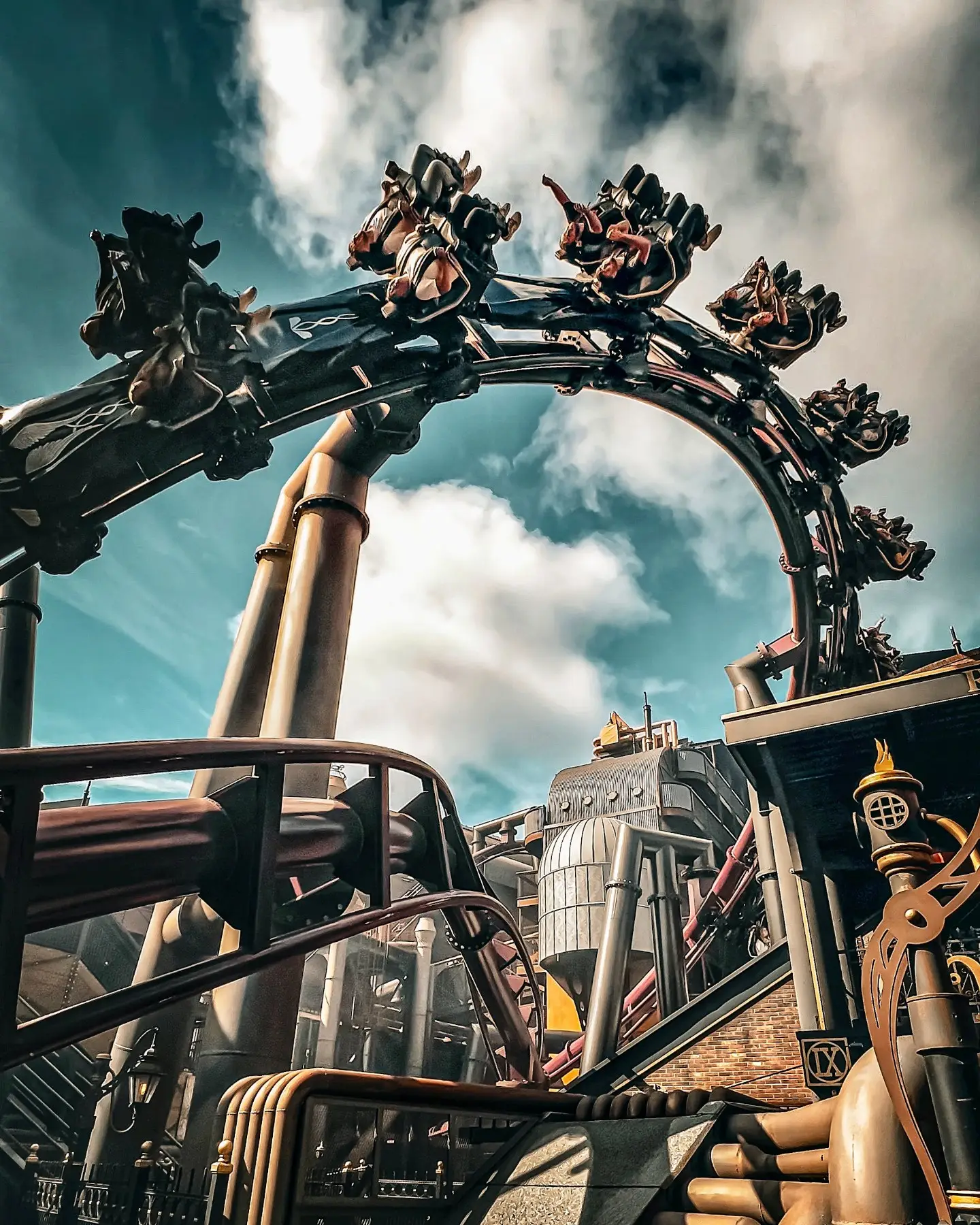
According to a report by German broadcaster WDR, multiple guests at the Hotel Ling Bao, which is part of the Phantasialand theme park near Cologne, reported respiratory irritation.
Four were taken to hospital for further treatment, with one remaining under observation for a moderately serious injury.
The pool was also temporarily closed and its water was replaced before being reopened to hotel guests.
This incident proved to be a worrying example of the planet’s increasing reliance on technology and just what the real-world consequences could look like when systems fail.
This has raised concerns over other areas that could rely on automated alerts, including the likes of hospitals, factories and airports, where systems could face disruptions if services experience failures.