Tech expert on potential unexpected cause of Microsoft blackout as engineers scramble to fix it


Microsoft services around the world are returning to some sort of normality, and even though we're sure those who were enjoying a lazy Friday without access to Teams and Outlook are cursing those speedy engineers, a clearer picture of what went wrong will likely come into view before long.
The world was thrown into chaos on November 12, with a global Microsoft outage affecting far more than just email services. Everything from law enforcement to health departments warned of mass disruption, while Microsoft's partnerships with Anthropic and OpenAI also mean a slew of AI systems have been affected.
More than this, there's a potential knock-on effect of how much money businesses will lose out on. Microsoft has already seen its shares dip by around 2%, while there are further concerns about whether it could be sued in the aftermath.
What does one tech expert think caused the Microsoft outage?
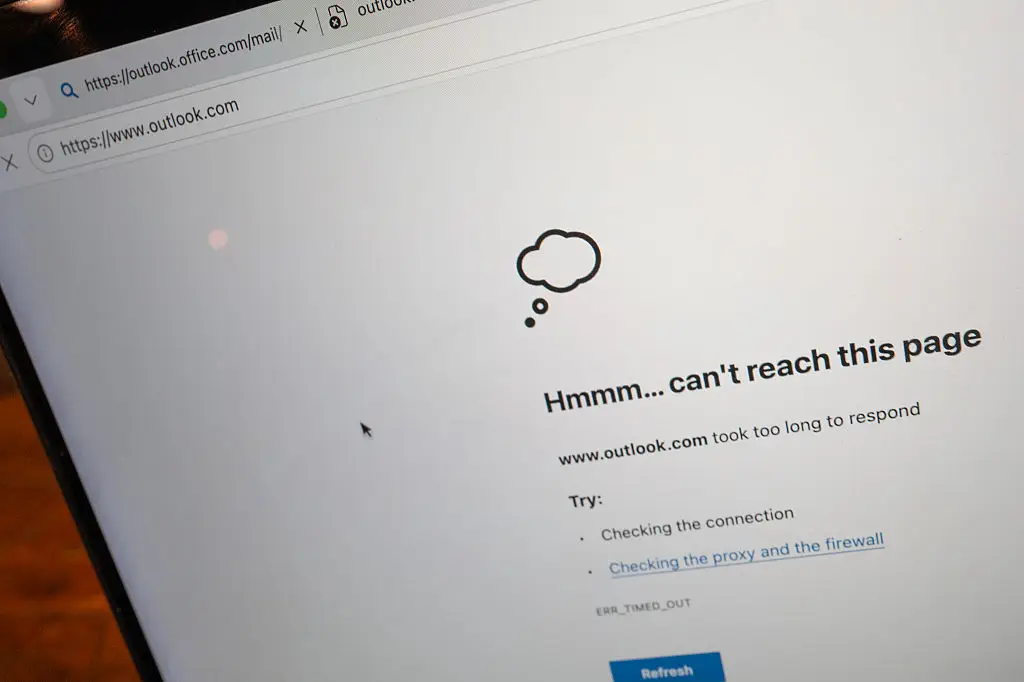
Microsoft was quick to confirm this wasn't a cybersecurity issue, but with this came the implication that someone had done something wrong on their end. As users sit tight and wait for emails and more to return, one tech expert has weighed in on what he thinks went wrong.
Advert
Writing for The Conversation, Mahmoud Elkhodr has offered his own two cents on what could've caused the outage, with the senior lecturer in Information and Communication Technologies at CQUniversity Australia reiterating that this backs up his earlier concerns about a shared ecosystem.
According to Elkhodr, the Microsoft outage shows what happens when infrastructure fails "and why we must prepare for digital outages in a similar way we do for natural disasters." As for what went wrong on November 12, he noted that Microsoft's accounts have shifted.
Elevated loads across multiple regions were quickly ruled out as a cause, although a huge number of servers were unexpectedly unavailable.
Blame then turned to automated health checks potentially overwhelming servers, while the aforementioned fears of a cyberattack were quickly debunked.
He returns to the idea of health checks as a more 'mundane' but logical reason. Elkhodr says that health checks protect services by pulling out servers that appear unwell.
However, when the machines making those calls are at fault themselves, 'healthy capacity' can be inadvertently removed and the servers left online are forced to absorb far more work than they're capable of.
Elkhodr wrote: "Outages of this scale are more often self-inflicted in this way than they are the work of attackers...Until a post-incident review is published, however, that remains an inference drawn from Microsoft’s own updates rather than a settled account."
He also reminds us that despite some affected services seemingly operating as normal, they could become unresponsive again if they're overloaded with an influx of traffic.
Could the internet ever fully go down?
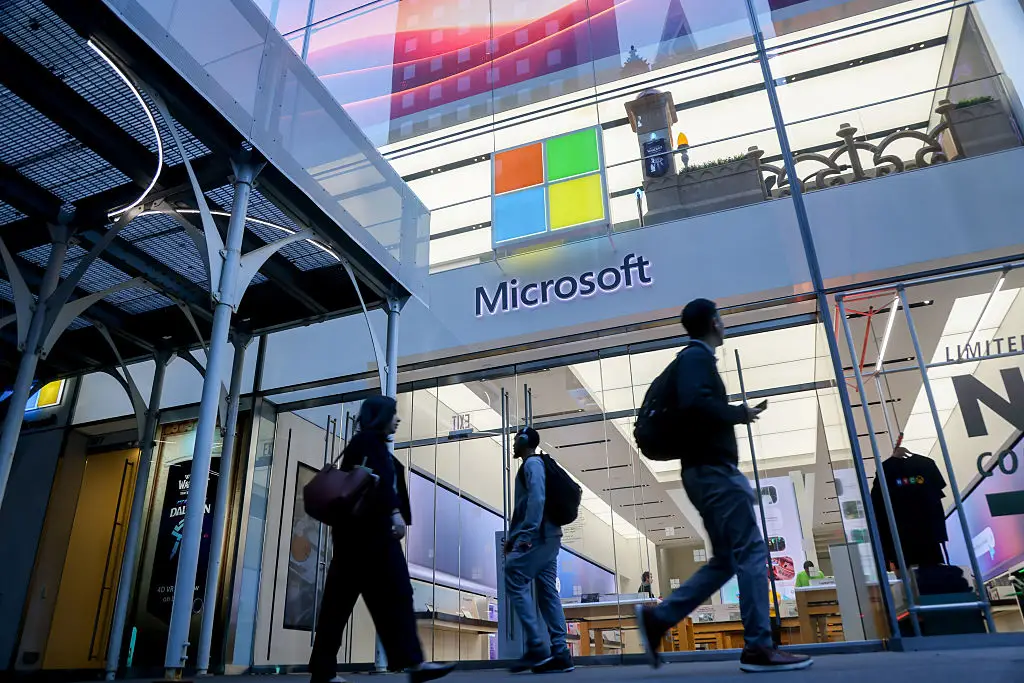
Elkhodr reminds us that this isn’t the first time Microsoft has faced issues in 2026, with disruptions in January taking out Outlook, Teams and other Microsoft 365 services for hours. This was followed by an August incident when a code update messed with Microsoft Outlook and Exchange Online services for several days.
Previously writing for The Conversation, Elkhodr mulled over the idea of whether the internet could actually go down altogether.
Losing access to one system doesn't always mean we'll lose access to the lot, but when several rely on the same underlying tech (as we've seen with Microsoft), these 'shared dependencies' create a greater risk.
Claiming that outages are likely to increase due to cyberattacks and other issues surrounding a more shared infrastructure, he advises companies and even normal citizens to have an incident response plan in place.
Plans should include clear criteria for when systems need to be isolated or taken offline, how to maintain essential operations in a time of crisis, and a well-laid recovery plan.
As for what your response plan should include, that extends to keeping essentials like contact numbers, receipts, and essential documents like medical prescriptions offline, identifying alternatives to access your data, and checking your backups by turning off your internet and checking they're accessible locally.
Following the latest Microsoft incident, Elkhodr concluded: "This outage reinforces the need for all of us to better prepare for digital outages. For individuals, this can involve storing essential information, such as contacts and medical prescriptions, offline in case of an outage."
With Microsoft still working hard to return to pre-November 12 levels, you'll have to wait for an official response on what exactly happened.