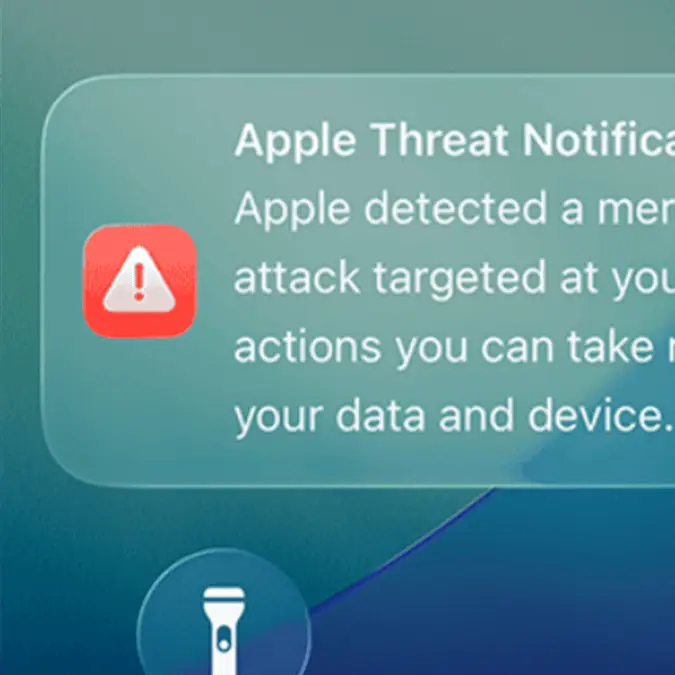
What you need to do immediately if your iPhone gets Apple's severe warning alert


Apple has seemingly just sent out a new batch of threat notifications to iPhone owners across the world, letting them know that their devices are now potentially vulnerable to spyware and cyber attacks going forward.
This is understandably a frightening and incredible serious notification to receive – especially if your job or daily life leaves you particularly at risk of information breaches – but it's better to know than be unaware of the dangers.
Additionally, Apple has thankfully implemented a number of tools that you can take advantage of if you do receive the dreaded push notifications on your iPhone, giving you a step-by-step process to best handle your cybersecurity credentials now being at risk.
As reported by TechCrunch, these notifications aren't an indication that you have already been hacked but instead are an ideal warning system that a cyber attack could (or is likely to) be on the way, giving you the opportunity to prepare in the rare case that one does ping on your phone.
What are Apple's threat notifications?
According to Apple's official website, threat notifications are push alerts that you have the potential to receive on your phone, "designed to inform and assist users who may have been individually targeted by mercenary spyware attacks, likely because of who they are or what they do."
Advert
These attacks, according to cybersecurity experts at Apple, "are vastly more sophisticated than regular cybercriminal activity, as mercenary spyware attackers apply exceptional resources to target a very small number of specific individuals and their devices."
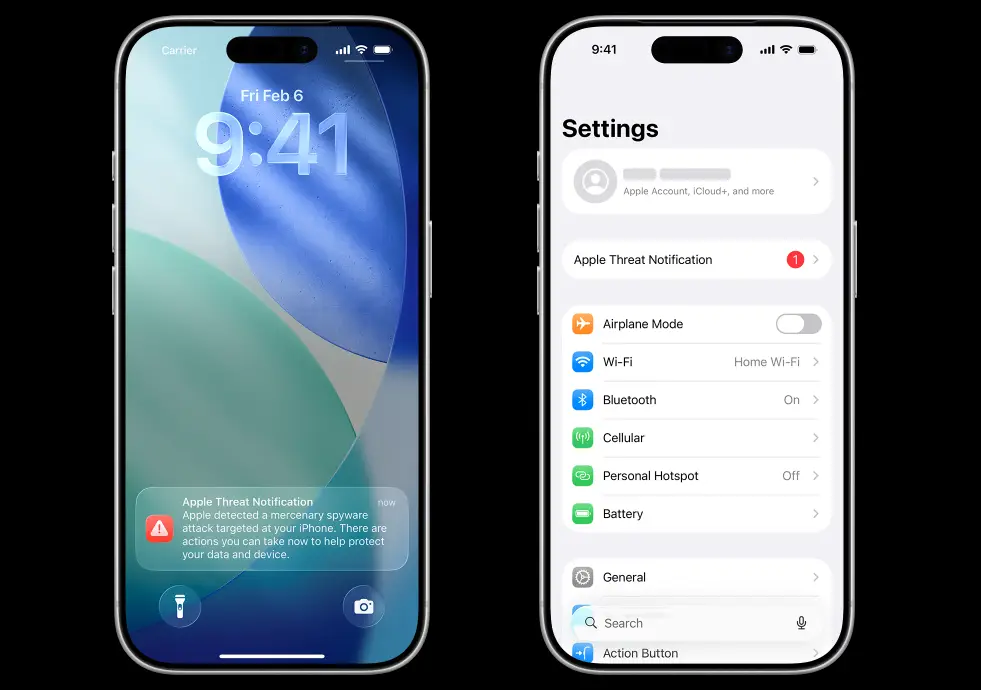
It is paramount that you take the warning seriously if it does appear then, ensuring that you follow the steps that the iPhone manufacturer outlines as simply staying alert and remaining reactive is almost guaranteed to leave yourself exposed to danger.
People targeted by attacks that are likely to spark a threat notification are typically found in journalism, high-level tech jobs, activism, and roles in politics where the information you deal with on a daily basis is of incredible value to advanced cyber criminals.
"Apple relies solely on internal threat-intelligence information and investigations to detect such attacks," the tech giant illustrates.
"Although our investigations can never achieve absolute certainty, Apple threat notifications are high-confidence alerts that a user has been individually targeted by a mercenary spyware attack, and should be taken very seriously."
What to do if you're sent a threat notification
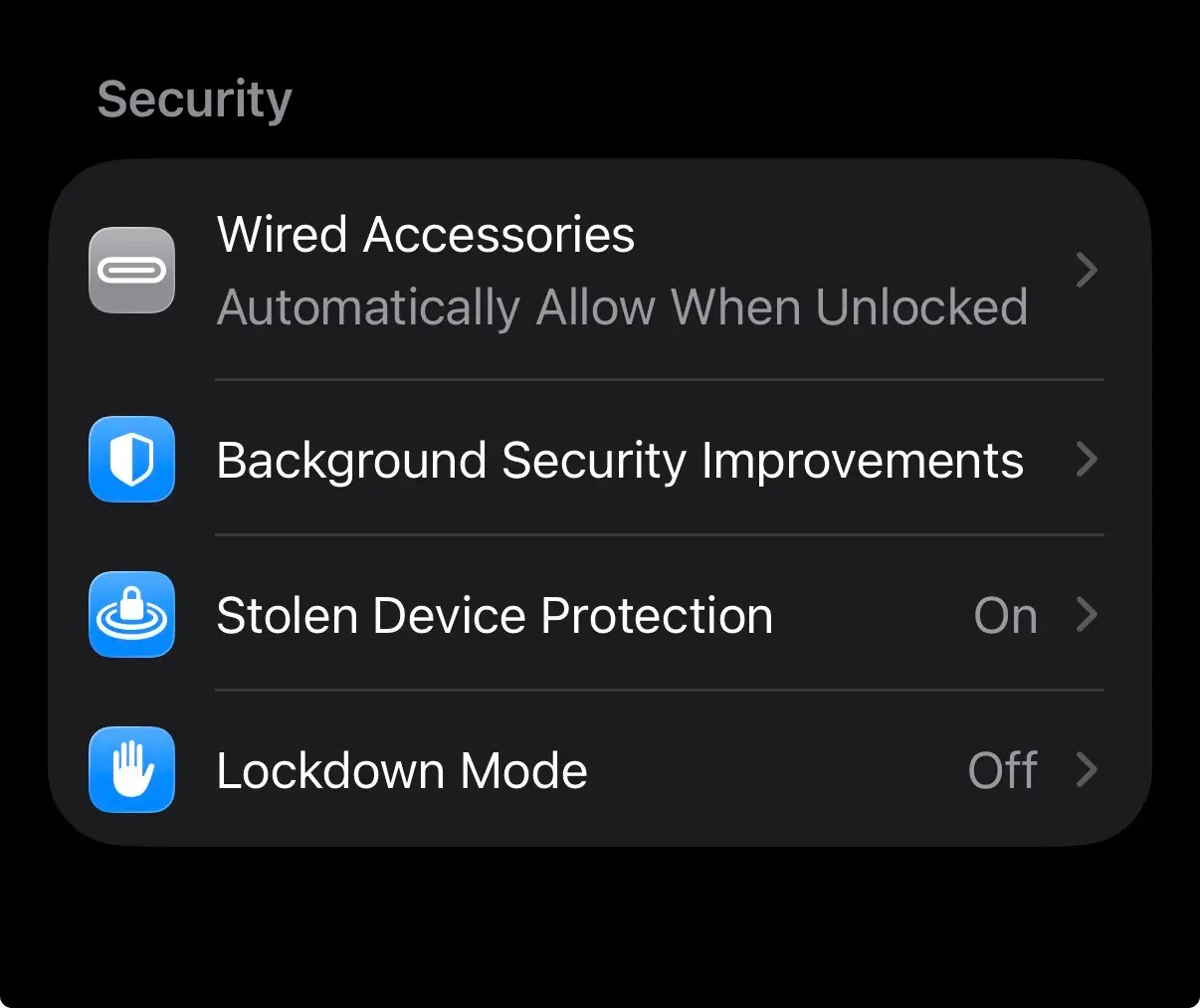
While your immediate reaction might be to panic if you've received a threat notification on your iPhone, Apple advises immediately placing your device into Lockdown Mode, which locks off certain apps, websites, and features in order to ensure maximum security on your phone.
Additionally, Apple strongly advises people to seek out 'expert help', including the "rapid-response emergency security assistance provided by the Digital Security Helpline at the nonprofit Access Now."
This helpline is available any time you want to contact it, no matter the hour or day you receive the notification, and it should be able to provide you with as much information and guidance as it can to avoid any further risks.
One thing to be aware of is that threat notifications will never ask you to click on a link, open any files, install any apps, or log in to your Apple account, and receiving one that attempts any of these is likely the sign of another cybersecurity threat and should be both ignored and reported wherever possible.
Steps you can take to avoid the chance of a threat notification appearing in the first place include the implementation of two-factor authentication, enabling Stolen Device Protection, only installing apps from the official App Store, and avoiding any unknown links or attachments from unknown senders.